






From 'Cheap' to 'Chic': The Perception Shift
Not long ago, the beauty world was divided. On one side stood the luxury brands, housed in gleaming jars that promised eternal youth for a hefty price. On the other were the humble, budget-friendly options often dismissed as less effective. The prevailing
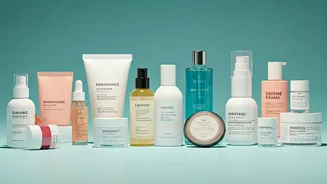
belief was simple: you get what you pay for. But that narrative is rapidly changing. Economic factors, like rising inflation, have certainly played a part, leading more consumers to seek out cost-effective alternatives, or 'dupes', that mimic the results of their premium counterparts. [3, 4] This shift, however, isn't just about saving money. It's about a fundamental change in consumer values, where performance, transparency, and value are the new markers of luxury. [11] The modern shopper is no longer swayed by a fancy logo alone; they want results they can see and trust. [11]
The Rise of the 'Skintellectual'
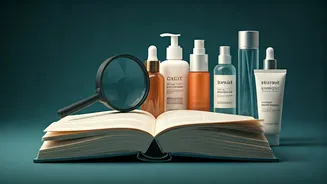
A key driver of this movement is the emergence of the 'skintellectual'—a highly informed and curious consumer who approaches skincare with a scientific mindset. [7, 12] Empowered by the internet and social media, these shoppers deep-dive into ingredient lists, understand the science behind formulations, and aren't afraid to question marketing hype. [19] If you know your niacinamide from your hyaluronic acid, you're part of this growing tribe. [12] This new generation of beauty enthusiasts demands radical transparency from brands, seeking proven results over vague promises. [7, 12] They follow dermatologists and cosmetic chemists ('chemfluencers') online, who break down complex science and offer evidence-based recommendations, further democratizing knowledge that was once behind a paywall or a clinic door. [12, 19]
Ingredients First, Brands Second
The skintellectual movement has fueled a focus on hero ingredients. Brands like The Ordinary and The Inkey List revolutionized the market by offering single-ingredient-focused serums at remarkably low prices, proving that effective actives didn't need to be expensive. [9, 22, 26] This ingredient-led approach has educated consumers to shop for what their skin needs—be it Vitamin C for brightness or retinol for cell turnover—rather than blindly staying loyal to a particular brand. [14, 15] Consumers now understand that it's the science-backed ingredients doing the heavy lifting, not necessarily the gold flakes or proprietary (and unproven) botanical blends in a ₹10,000 cream. [9] This has forced the entire industry, from mass-market to luxury, to focus more on formulation and proof of efficacy. [2]
The Indian Beauty Boom
This global trend has found fertile ground in India, where the beauty and personal care market is booming. [16, 20, 24] A wave of new-age, direct-to-consumer (D2C) Indian brands are growing significantly faster than legacy players by catering to the specific needs of the Indian consumer with effective, science-backed, and affordable products. [13] These brands are leveraging digital platforms to reach a wide audience, including a younger demographic in non-metro cities that is more willing to experiment. [13, 20] With the skincare market in India projected to reach nearly USD 18.38 billion by 2034, this focus on accessible, results-driven products is set to define the industry's future. [16] This growth is also fueled by Gen Z, who are starting their skincare journeys earlier and prioritize authenticity and value. [20]
Smarter Routines and 'Skinimalism'
The respect for affordable skincare also aligns with the trend of 'skinimalism'—a less-is-more approach focusing on a few, highly effective products rather than an elaborate 10-step routine. [10, 25] As consumers became more educated, they also became aware that using too many potent products could compromise their skin barrier, leading to sensitivity and irritation. [25] The focus has shifted towards supporting the skin's natural biology with balanced, gentle, and consistent routines. [14, 25] This conscious consumerism values not just ingredient safety but also sustainability and ethical sourcing, aspects where many nimble, affordable brands are leading the charge. [10, 23] It’s a move toward intentional choices that benefit both skin health and the planet.