






First, Safety and Setup
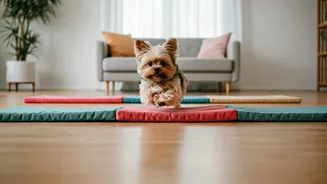
Before building, ensure the space is safe. Choose a room with a non-slip floor, like a carpeted area or one with yoga mats laid down. Clear the area of any breakable items or hazards. All materials used should be pet-safe. Avoid small objects they could
swallow, sharp edges, or unstable structures. The goal is fun, not a trip to the vet! Always supervise your pet during playtime to prevent accidents. This is a shared activity, and your presence ensures they are both safe and encouraged. Start simple and observe your pet’s comfort level before adding more complex challenges.
The Great Cushion Climb
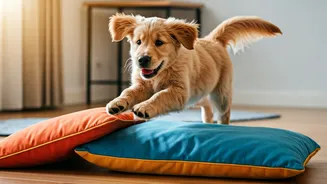
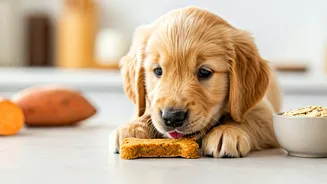
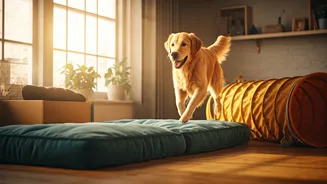
This is one of the easiest obstacles to create. Gather sofa cushions, pillows, and sturdy pouffes. Arrange them into a small "mountain" or a winding path. The goal is for your pet to navigate the uneven terrain. This helps improve their balance and body awareness. For dogs, especially smaller ones, a pile of firm cushions can be a fun challenge to clamber over. For cats, who are natural climbers, you can create a multi-level path for them to leap between. Lure them over the top with a favourite toy or a healthy treat to get them started.
The Cardboard Box Tunnel
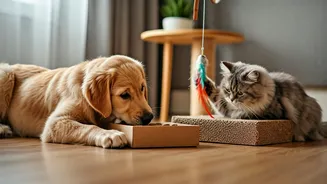
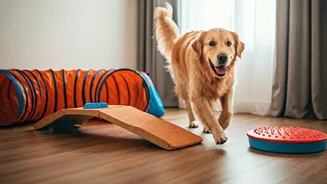
Don't throw away those delivery boxes! A large cardboard box can easily become an exciting tunnel. Simply open both ends and place it on the floor. For a longer course, you can connect several boxes together. Encourage your pet to crawl through by tossing a toy or a treat to the other side. Cats often love the enclosed, den-like feeling of a box tunnel. For larger dogs, you might need to find an extra-large appliance box. Make sure to remove any staples, tape, or plastic packaging that could be harmful.
Weave Poles Made Easy
In official agility courses, dogs weave through a line of poles. You can create a simple version at home. Line up items like plastic bottles (weighted with a little water so they don't tip easily), shoes, or even rolls of kitchen paper towels. Space them out just enough for your pet to walk through in a zig-zag pattern. Guide them through the weave slowly at first, using a treat or toy to lead their nose. This obstacle is fantastic for improving flexibility and concentration.
The Blanket Fort Crawl
Channel your inner child and build a classic blanket fort! Drape a sturdy blanket or bedsheet over two chairs placed a few feet apart. This creates a low, dark space for your pet to crawl under. Similar to the box tunnel, this plays on their natural instinct to explore den-like environments. You can place a favourite blanket or bed inside to make it an extra-cosy destination at the end of the course. This low-impact obstacle is great for pets of all ages, including seniors.
The Low-Impact Jump
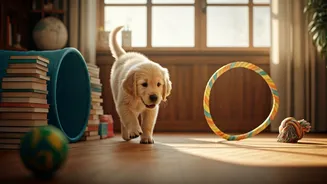
You don't need professional equipment to teach a jump. A hula hoop is a perfect tool, but you can also use a broomstick balanced across two low stacks of books. The key is to keep it very low to the ground, especially at first. Your pet should be able to step over it easily. Hold the hoop or pole and encourage them to pass through or over it. As they get more confident, you can raise it slightly, but never so high that it puts a strain on their joints. This is about fun, not high-performance sport.
The Grand Finale: Treat Trail
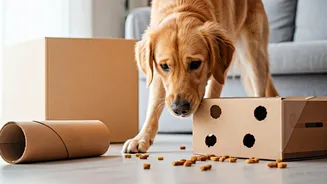
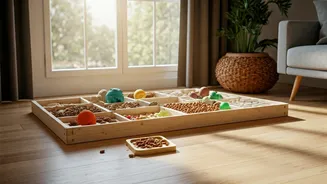
Turn the end of the course into a rewarding treasure hunt. This engages your pet’s powerful sense of smell and provides immense mental stimulation. Use a "snuffle mat" if you have one, or simply hide a few small, high-value treats under a towel, inside an open box, or behind one of the cushion obstacles. Leading them through the course with the promise of a search at the end is a great motivator. This final step ensures they finish the activity feeling successful and rewarded, making them eager to play again next time.