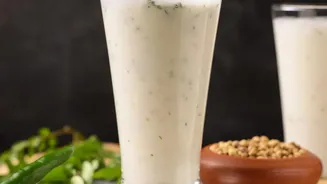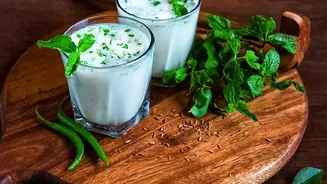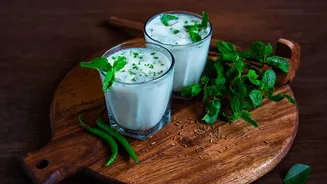



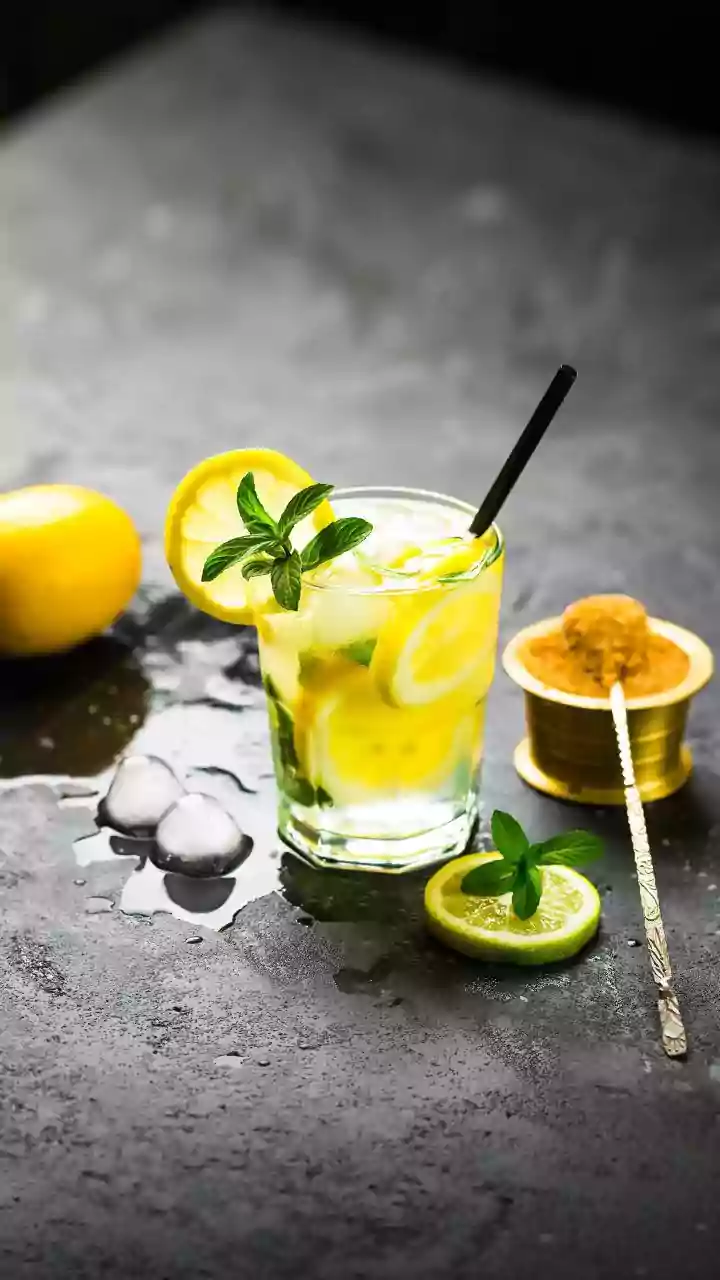



The Unlikely Rise of Jeera Soda
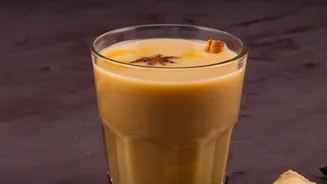
The humble spice found in every Indian kitchen, jeera (cumin), is at the heart of one of the fastest-growing categories in the nation's beverage market. What started as a roadside refresher has been transformed into a commercial juggernaut by a host of homegrown
brands. Companies like Lahori Zeera, Bindu Jeera, and Xotik Frujus' Jeeru are leading the charge, turning a familiar flavour into a formidable market force. The growth has been explosive. Lahori Zeera, born from a kitchen experiment in 2017, is projected to close the year with revenues between $115-120 million. Meanwhile, Bindu, a brand that launched its jeera soda nearly 25 years ago, has seen the category's contribution to its revenue double from 20% to 40% in just five years. This surge is not a niche phenomenon; according to reports, online orders for these ethnic drinks jumped by 900% in the summer.
A Thirst for the Familiar
So, why is this happening now? The trend is powered by a potent mix of health consciousness and cultural pride. As consumers become more aware of high sugar content in traditional colas, many are looking for alternatives they perceive as healthier. Cumin-based drinks, with their association with digestion and traditional home remedies, fit the bill perfectly. Beyond health, there's a growing consumer movement towards products that feel authentically Indian. Brands have tapped into this sentiment with taglines like Lahori Zeera's 'Apna Desi Thanda' (Our own local cold drink), celebrating a flavour that is deeply embedded in the nation's culinary identity. It's part of a larger reclamation of Indian tastes, where consumers are choosing products that reflect their own culture rather than aspiring to Western ideals long-marketed by multinational giants.
The Cola Giants Take Notice
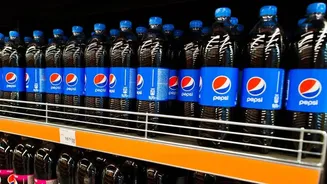
The impact on the market's long-standing duopoly is becoming impossible to ignore. According to a Kotak Mutual Fund report, the market share of homegrown ethnic beverages in the fizzy drinks category doubled to about 15% by September of last year. During the same period, the combined share of Coca-Cola and PepsiCo fell from approximately 93% to 85%. While this is far from a collapse, losing even a few percentage points in India's vast beverage market represents a significant shift. The global players are responding. Coca-Cola, which acquired the jeera brand Rimzim in the 1990s, is reportedly doubling down on the category and increasing production. PepsiCo has also entered the fray with its own version, Nimbooz Jeera Soda. Even Reliance has joined the competition with Campa Jeera, leveraging its vast distribution network. The incumbents, who once may have dismissed the category as too small, are now actively competing for shelf space.
Challenges on the Horizon
Despite the impressive growth, the path forward for these desi brands is not without obstacles. The very thing that fuelled their rise—the affordable Rs 10 price point—is now a point of pressure. With rising costs for raw materials like sugar and packaging, maintaining thin profit margins is a constant battle. Raising prices could alienate a large segment of their customer base. Furthermore, the competition is heating up from all sides. Not only are the global giants entering the space with their deep pockets and extensive distribution networks, but the success of pioneers like Lahori Zeera has also inspired more than 60 regional copycat brands, creating a crowded and fragmented marketplace. Success will depend on maintaining a unique flavour profile, strong branding, and efficient operations.