



Embrace Warm and Comforting Brews
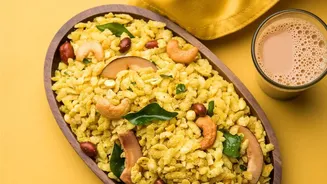
There is an undeniable connection between rainfall and a warm cup of chai. During the monsoon, this pairing becomes almost essential. Infusing your tea with spices like ginger, cardamom, and tulsi not only enhances its flavour but also brings health benefits.
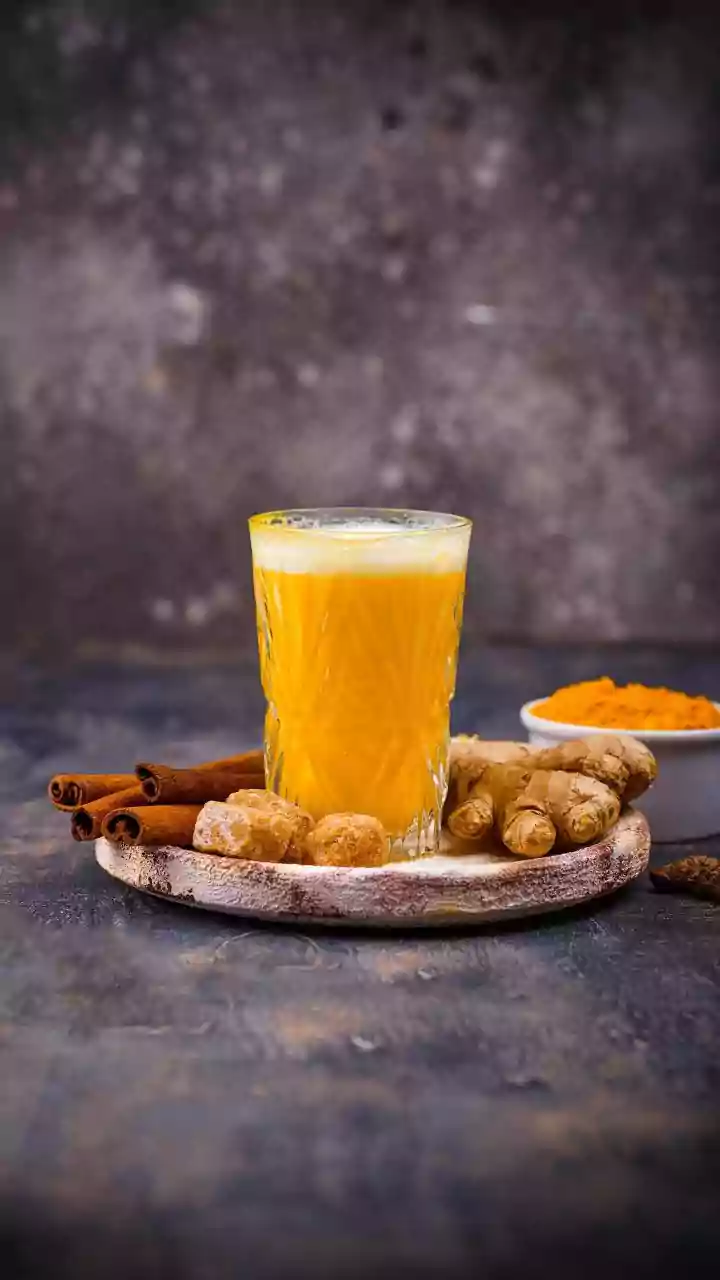
Ginger and garlic, known for their anti-inflammatory and antimicrobial properties, are perfect additions to teas and soups to help combat seasonal infections. Another comforting beverage is turmeric milk, or 'haldi doodh'. Turmeric contains curcumin, a compound with powerful antioxidant benefits, making a warm glass before bed a soothing and healthy ritual. These simple, warm drinks are ideal for the season, providing comfort while helping to support your immune system.
The Bounty of Monsoon Vegetables
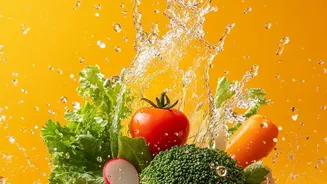
August brings a specific harvest of vegetables well-suited for the climate. Gourds such as bottle gourd (lauki), ridge gourd (turai), and bitter gourd (karela) are plentiful. These vegetables are light, easy to digest, and align with traditional Ayurvedic principles for the rainy season, which suggest favouring cooked over raw foods. Corn, or 'bhutta', is another monsoon staple. Often roasted over coals and seasoned with salt and lime, it's a healthy and satisfying snack, rich in fibre and antioxidants. Root vegetables like beetroot are also recommended, as they are a good source of potassium and other minerals. It is important to wash all vegetables thoroughly before cooking to reduce the risk of contamination, which is higher in the humid months.
Seasonal Fruits to Boost Immunity
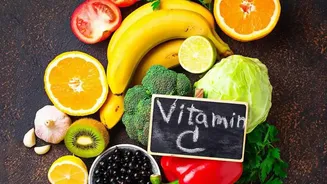
The monsoon offers a delightful variety of fruits that are packed with essential vitamins. Jamun, the Indian blackberry, is a seasonal favourite rich in vitamin C, iron, and antioxidants that support digestion. Plums and pears also come into season, offering high fibre content and immunity-boosting vitamin C. Other fruits like pomegranate and papaya are excellent choices. Pomegranate is known for its anti-inflammatory properties, while papaya contains the enzyme papain, which aids digestion—a common concern during the monsoon when metabolism can feel sluggish. Choosing these seasonal fruits is a delicious way to strengthen your body's defences.
The Irresistible Appeal of Fried Snacks
For many, the sound of rain is incomplete without the sizzle of pakoras. These spicy fritters, made by dipping vegetables like onion, potato, or spinach in gram flour batter and deep-frying them, are a cherished monsoon tradition. Paired with a hot cup of tea, they offer unparalleled comfort. Similarly, samosas and bhajiyas are other popular choices. While these snacks are a quintessential part of the monsoon experience, traditional wisdom suggests enjoying them in moderation. The high humidity can slow down digestion, and heavy, oily foods can feel uncomfortable if consumed too frequently.
Nourishing Grains and Wholesome Dals
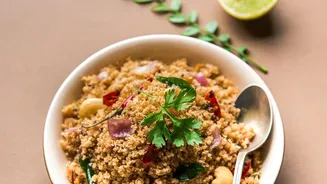
Monsoon is the perfect time for warm, simple, and freshly prepared meals. Khichdi, a one-pot dish made from rice and moong dal, is considered an ideal monsoon meal. It is light, easy to digest, and incredibly comforting, often served with a spoonful of ghee. Moong dal is particularly favoured as it is one of the more digestible lentils. Millets like jowar and bajra are also excellent choices for the season and can be used to make rotis or porridge. These wholesome grains provide sustained energy and are a staple in traditional Indian diets, reflecting generations of practical wisdom about eating according to the season.