

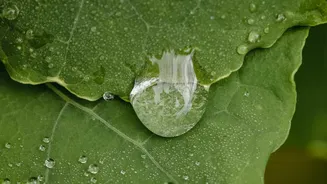
How Plants 'Breathe' and Why Humidity Matters
Plants, much like people, sweat to cool down. This process is called transpiration, where they release water vapour through tiny pores on their leaves called stomata. On a dry day, transpiration happens quickly, pulling water up from the roots to the leaves.
But when the air is already saturated with moisture—as it is during a humid monsoon day—this process slows down dramatically. It’s similar to trying to dry your laundry outside on a damp, sticky afternoon; there's simply nowhere for the moisture to go. Because the plant is releasing less water through its leaves, it also draws less water from the soil. This is the crucial point: even if the temperature is high, a plant in a high-humidity environment will use significantly less water than a plant in dry heat.
The Danger of a Rigid Watering Schedule
The single biggest mistake in humid weather is sticking to a fixed schedule, like watering every two days. When transpiration slows, the soil stays wetter for longer. Watering on a rigid schedule without checking the soil first is the fastest way to cause overwatering. This isn't about the volume of water you give at one time, but the frequency. Chronically wet soil deprives roots of oxygen, leading to root rot, a fungal condition that turns roots black and mushy, and is often fatal. An overwatered plant essentially suffocates, and ironically, one of the signs can be wilting, which plant owners often mistake for thirst.
The Best Way to Check: The Finger Test
Instead of guessing, become a soil-checker. The most reliable tool you have is your own finger. Simply insert your index finger about one to two inches into the soil. If the soil feels damp and sticks to your finger, the plant doesn't need water. If it feels dry and falls off your finger easily, it's time to give it a drink. For deeper pots, a simple wooden chopstick or skewer works just as well. Push it down into the soil, leave it for a minute, and pull it out. If it comes out clean and dry, the soil is dry. If it comes out dark with soil clinging to it, there's still plenty of moisture. This simple habit is far more effective than any calendar reminder.
Timing Is Everything: Why Morning is Best
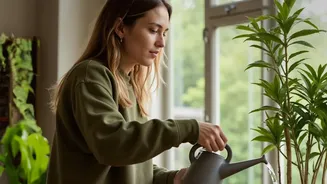
When you do water, timing makes a significant difference in humid climates. Watering in the morning is highly recommended. This provides the plant with moisture to face the day and, more importantly, gives any water on the foliage a chance to evaporate in the daylight. Watering at night is risky because the leaves stay wet for longer in the cool, damp air, creating the perfect environment for fungal diseases to develop. Directing water to the soil at the base of the plant, rather than splashing the leaves, further reduces this risk.
Reading the Signs: Overwatering vs. Underwatering
Learning to read your plant's signals is key. The signs of overwatering and underwatering can sometimes be confusingly similar, but there are differences. Overwatering often presents as yellowing leaves (especially lower ones), soft or mushy stems near the base, and a musty smell from the soil. You might also see brown spots with a yellow halo. In contrast, an underwatered plant’s leaves will often feel crispy and dry at the edges, and the soil will pull away from the sides of the pot. A wilting plant with moist soil is a classic sign of overwatering. Before adding more water to any wilting plant, always check the soil first.