



The Heart of the Dispute
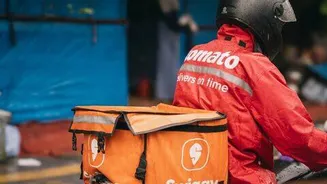
A storm is gathering in India's tech capital, and it's centred on the very platforms that bring food to your doorstep. For weeks, restaurant associations in Bengaluru, like the Bruhat Bengaluru Hotels Association (BBHA), have been locked in a tense standoff
with food delivery giants Swiggy and Zomato. The core of the issue lies in what restaurateurs describe as unsustainable business practices: high commission rates, forced and deep discounts, and opaque charges that are crippling their profit margins. These platforms, which act as digital middlemen, can charge commissions ranging from 15% to as high as 30% on every single order. Restaurants claim this, combined with other deductions for advertising and payment gateways, leaves them with a fraction of the order value, threatening their very survival.
A Restaurant's Perspective: Squeezed to the Brink
For many restaurant owners, the relationship with aggregators has become a deal with the devil. While the platforms provide invaluable visibility and access to a vast customer base, the costs are becoming unbearable. Industry representatives allege that for every ₹100,000 of business done on a platform, a restaurant might only see ₹40,000 after all deductions. Beyond the high commissions, a major point of contention is the practice of "deep discounting," where platforms offer promotions to customers without the restaurant's explicit consent, further eating into earnings. Additional grievances include being charged for order cancellations after food is prepared and a lack of clear, detailed breakdowns of payments and charges, creating an environment of mistrust and financial strain. This has led restaurant bodies to issue an ultimatum: address these concerns by August 15, or face a widespread boycott where over 1,000 restaurants could log off the apps.
The Aggregator's Argument
From the perspective of Swiggy and Zomato, the commissions and fees are necessary to operate the complex ecosystem they've built. This includes massive investments in technology, marketing to attract millions of users, and managing a vast network of delivery partners. They provide restaurants with a digital storefront, a marketing engine, and a logistics solution they wouldn't otherwise have, especially smaller establishments. The platforms argue that their services drive significant order volumes, helping restaurants reach customers far beyond their physical locality. The ongoing dispute is not new; the National Restaurant Association of India (NRAI) has previously filed cases with the Competition Commission of India (CCI) against the platforms for alleged anti-competitive practices, including data masking and price parity agreements. The aggregators maintain that their models provide value and growth for the industry, a stance they are likely to hold in negotiations.
The Customer in the Middle
While this battle is primarily between businesses, the customer is not just a bystander. Restaurant owners argue that to offset the high commissions, many have been forced to increase menu prices on the apps. This means a customer might pay significantly more for the same dish ordered online than they would if they dined in, even before delivery fees are added. The discounts offered on the app, while appealing, may simply be masking these inflated base prices. The potential boycott from August 15 could also directly impact consumers, who may find their favourite local eateries suddenly unavailable on Swiggy and Zomato. This could lead to a fragmented and frustrating user experience as the food delivery landscape in Bengaluru faces a potential shake-up.
Is There a Path Forward?
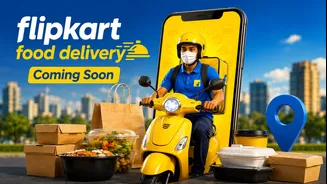
The current impasse has accelerated the search for alternatives. Some restaurants are exploring their own direct-to-consumer (D2C) delivery systems, using tools like WhatsApp to take orders and retain control over pricing and customer data. Meanwhile, the market is witnessing the entry of new players operating on different models. Platforms like Rapido's Ownly and the soon-to-be-launched service from Flipkart are leveraging the government-backed ONDC network to offer much lower, or even zero, commission models. Flipkart is reportedly planning a Bengaluru launch around August 15 with a proposed commission of just 10%, a move designed to directly challenge the Swiggy-Zomato duopoly and give restaurants more leverage in negotiations. This confrontation in Bengaluru is a critical test case that could reshape the economics of food delivery across India, forcing a move towards a more transparent and sustainable model for all.