






The Myth of the Magic Food
The wellness world is full of simple, appealing promises. Eat more blueberries for antioxidants, more yogurt for probiotics, more kale for... well, for everything. This idea suggests that certain single foods hold universal health benefits for everyone.
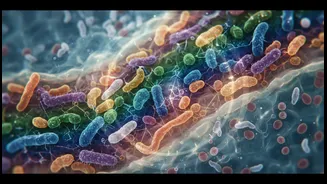
When it comes to the gut microbiome—the trillions of bacteria living in our digestive systems—this thinking has led to the promotion of specific fermented foods or high-fibre products as cure-alls. The message is straightforward: eat this one thing, and your gut will thank you. But as it turns out, our bodies are far more complex and personal than this one-size-fits-all advice implies.
Inside the Landmark PREDICT Study
Enter the PREDICT program, one of the largest and most in-depth nutritional research initiatives in the world. Led by scientists from top institutions like King's College London, Stanford Medicine, and Harvard, the studies have gathered data from thousands of participants, with some reports referencing cohorts of over 10,000 and even 35,000 individuals. Researchers tracked what people ate and how their bodies responded by measuring key health markers like blood sugar, fat levels, and inflammation. They also analyzed each person's unique gut microbiome. The goal was to move beyond generalised dietary advice and understand why different people have such different responses to the same exact meals. The findings have been nothing short of revolutionary for nutritional science.
What the Science Actually Found
The study's most profound discovery is that our individual responses to food are incredibly unique. Even identical twins, who share 100% of their DNA, can have vastly different metabolic reactions to the same meal. One twin might experience a sharp blood sugar spike after eating a banana, while the other does not. The researchers found that factors like genetics play a surprisingly smaller role than the composition of a person's gut microbiome. The specific collection of bacteria in your gut is a more powerful predictor of your blood sugar and fat responses than your genes are. This single finding completely dismantles the notion that a food that is 'healthy' for one person is automatically healthy for everyone else.
Your Gut, Your Rules
The PREDICT studies make it clear: there is no universally 'good' or 'bad' food. It all depends on your personal biology, which is heavily influenced by your gut microbes. Your microbiome acts like a chemical factory, breaking down food and producing thousands of different compounds that affect your immune system, mood, and metabolism. Since every person's factory floor is staffed with a different microbial crew, the end products are different. This is the dawn of personalized nutrition, an approach that moves away from broad public health guidelines and toward recommendations tailored to an individual's unique biological responses. The research suggests that the key to better health isn't about finding the one magic food, but about understanding what works for your body.
So, What Should We Eat?
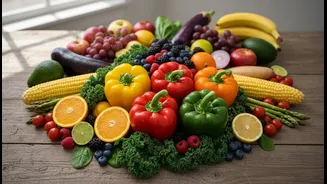
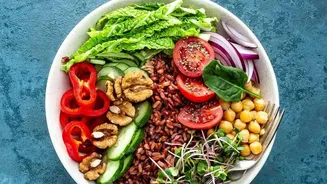
If there's no single superfood, what's the best strategy for a healthy gut? The answer, according to the research, is diversity. Instead of focusing on one type of food, the goal should be to feed the diverse community of microbes in your gut. Studies linked to this research, such as the American Gut Project, have found that people who eat 30 or more different types of plant-based foods per week have a significantly more diverse and healthier microbiome than those who eat 10 or fewer. These 'plant points' can come from vegetables, fruits, whole grains, legumes, nuts, seeds, herbs, and spices. A diverse diet fosters a resilient and robust microbial ecosystem, which is far more beneficial than trying to boost one or two specific bacteria with a single food.