








The Chemistry of Companionship
At the heart of the human-animal bond is a powerful hormone: oxytocin. Often called the 'love hormone' for its role in social bonding, research shows our bodies release it when we interact with our pets. Studies have found that petting a dog, or even
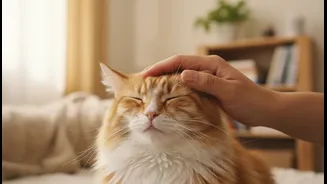
just gazing into its eyes, can significantly increase oxytocin levels. This hormonal surge has a dual effect: it fosters feelings of connection and trust while simultaneously lowering levels of cortisol, the body's primary stress hormone. The simple, everyday act of stroking a pet can help reduce blood pressure and slow a racing heart, creating a real, physiological state of calm. This isn't a one-way street; studies suggest that dogs and even some cats also experience a rise in oxytocin during positive interactions with their owners, strengthening their end of the bond.
A Mirror to Our Moods
Much of our emotional response is tied to how we interpret our pets' actions. We see a dog's frantic tail wag as joy, a cat's slow blink as affection, or a pet's quiet presence during a sad moment as offering comfort. This field of study, known as anthrozoology, explores these complex interactions. Scientists suggest that pets can act as a mirror to our own emotions. Their non-judgmental companionship provides a safe space for emotional expression. When we are feeling stressed or anxious, an animal's calm presence can be grounding. Research indicates that pets can pick up on their owner's stress, sometimes leading to their own anxiety, which highlights the deeply intertwined emotional lives we share.
Providing Structure and Purpose
Beyond the chemical and emotional responses, the behaviour of pets provides a reliable structure to our daily lives. The responsibility of caring for an animal—feeding, walking, and grooming—creates a dependable routine. For individuals struggling with depression or loneliness, this routine can be a powerful anchor. It provides a sense of purpose and motivation when it might otherwise be lacking. The need to walk a dog, for example, encourages regular physical activity, which is itself a proven mood booster. These routines help combat feelings of isolation by ensuring a consistent, predictable schedule centered around the needs of another living being.
The Social Bridge
A pet’s behaviour often serves as a natural social lubricant, helping to build connections within the community. Taking a dog for a walk in a neighbourhood park or to a veterinarian often leads to spontaneous conversations with other pet owners. This effect can be especially beneficial for those who feel socially isolated. Research from the Human Animal Bond Research Institute (HABRI) shows that a majority of pet owners feel their pets help them connect with other people. The shared interest in animals acts as an easy icebreaker, creating opportunities for social interaction and reducing feelings of loneliness that can negatively impact mental health.