


What's All the Fizz About?
At its core, fermentation is a natural process of transformation. It involves microorganisms like bacteria, yeast, or fungi converting carbohydrates—such as sugars and starches—into alcohol or acids. This process not only preserves food but also creates
distinctive, bold, and complex flavours, from the sour tang of sourdough bread to the umami depth of miso. For centuries, before refrigerators were a household staple, fermentation was a primary method for extending the life of perishable ingredients like milk, cabbage, and grapes. Today, we're returning to this ancient technique not just for preservation, but for its unique tastes and powerful health benefits.
The Gut Health Connection
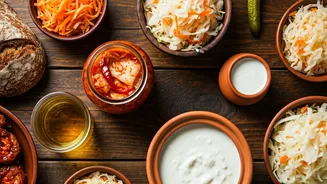
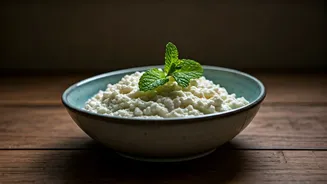
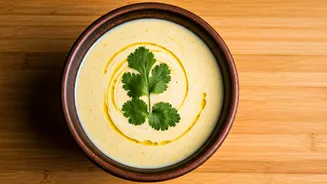
The primary driver behind the current fermentation craze is the growing understanding of the gut microbiome. Our intestines are home to trillions of microorganisms, collectively known as gut flora. A healthy, diverse microbiome is linked to better digestion, a stronger immune system, and even improved mental well-being. Fermented foods are often rich in probiotics, which are beneficial live bacteria that help replenish and balance your gut flora. Think of them as reinforcements for your body's internal army. When you consume foods like dahi, kefir, or kimchi, you're introducing these friendly microbes into your system, which can aid in everything from nutrient absorption to reducing inflammation.
An Indian Heritage, Rediscovered
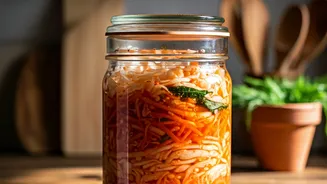
While kombucha and sauerkraut might seem like new-age fads, fermentation is deeply woven into the fabric of Indian culinary heritage. We've been fermenting foods for millennia. The fluffy idli and crisp dosa rely on a fermented batter of rice and lentils. The comforting bowl of homemade dahi is a daily probiotic powerhouse in many homes. In North India, the winter drink kanji is made from fermented black carrots, while in the East, pickles (achar) and fermented bamboo shoots are staples. This modern wellness movement isn't introducing a foreign concept; it's simply putting a global spotlight on a practice that Indian kitchens have quietly perfected over generations.
Exploring the New Ferments
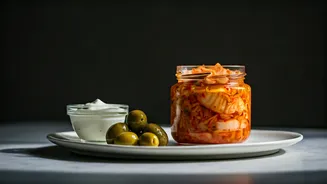
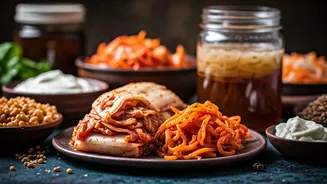
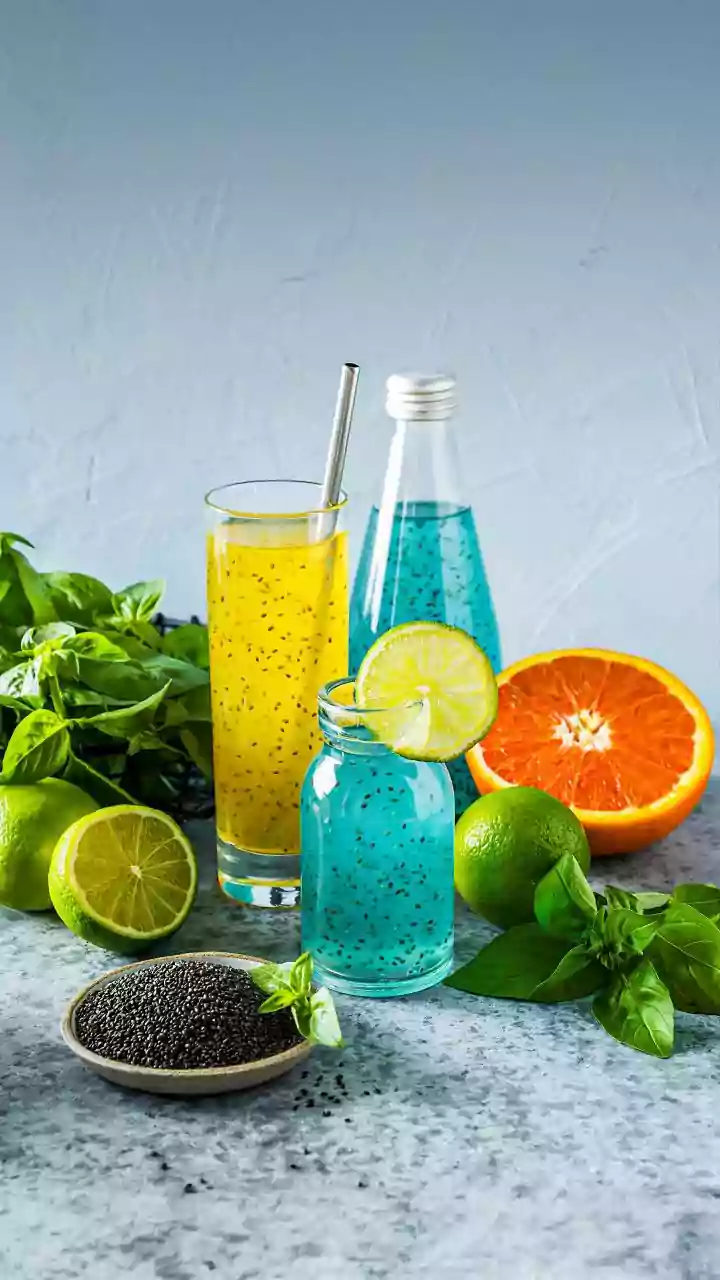
The current wave brings a host of international stars to the Indian palate. Kombucha, a fizzy, slightly sour tea, has become a popular alternative to sugary soft drinks. Kimchi, a spicy fermented cabbage from Korea, adds a powerful punch of flavour and probiotics to meals. Kefir, a fermented milk drink similar to a thin yoghurt or lassi, is packed with even more probiotic strains than traditional dahi. And sourdough bread, made from a fermented starter, is not only delicious but can be easier to digest for some people compared to commercially yeasted bread. These foods are expanding our flavour horizons while aligning with health goals.
How to Get Started
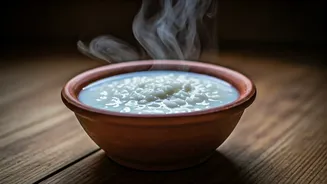
Diving into the world of fermented foods doesn't have to be intimidating. The easiest way to start is with what's familiar. Incorporate a bowl of dahi or a glass of buttermilk (chaas) into your daily diet. When you eat South Indian food, appreciate the fermented goodness of the idli or dosa batter. From there, you can explore. Try a store-bought bottle of plain kombucha to see if you like the taste. Add a small serving of kimchi as a side dish to your rice and dal for a flavour and health boost. You don't need to completely change your diet; think of these foods as powerful, flavourful additions to the meals you already love.