





More Than a Meal, It's a Memory
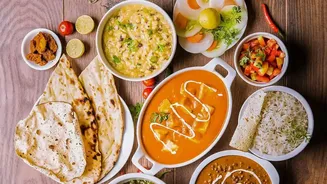
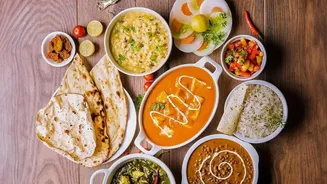
Indian cuisine is a vast universe of flavours, where recipes are often treasured heirlooms passed down through generations. These dishes are more than just sustenance; they are edible archives of a family's history, carrying stories of migration, celebration,
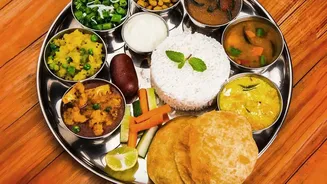
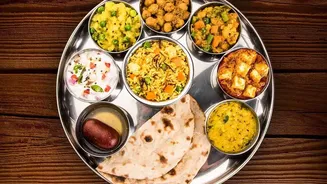
and everyday love. For decades, the most authentic tastes of India were found not in restaurants, but in home kitchens. However, a beautiful shift is underway. Food festivals, once the domain of celebrity chefs and established restaurants, are now turning their focus inward, celebrating the immense culinary wealth held within Indian homes. These events serve as platforms for preserving traditional recipes and cooking methods that might otherwise be lost.
From Kitchen Confidential to Public Plate
Across the country, festivals are emerging that put home cooks and their generational knowledge in the spotlight. Events like the Sattvik Food Festival in Ahmedabad have long championed traditional and organic foods, showcasing heirloom grains and slow-cooking methods. Others, like the National Street Food Festival, bring together vendors from all over India, many of whom serve recipes perfected over decades in their families. This trend isn't limited to large-scale events. Smaller pop-ups and community gatherings are also creating spaces where home cooks can share their regional specialities, from the dal baati churma of Rajasthan to the complex curries of Kerala. This movement provides a stage for the quiet, consistent culinary traditions that form the backbone of Indian food culture.
The Keepers of the Flame
At the heart of this trend are the home cooks themselves—mothers, grandfathers, and passionate individuals who are the guardians of these culinary legacies. For them, sharing a family recipe is a deeply personal act. These recipes are often passed down as an oral tradition, learned through observation and practice rather than written instructions. By participating in festivals, they are not just cooking; they are telling the story of their family and their community. It’s an opportunity to share the specific techniques, the unique blend of spices, or the particular way a dish is served during a family ritual. This act of sharing transforms a private memory into a piece of shared public heritage, ensuring its survival for a new generation.
A Craving for Authenticity
The growing popularity of these festivals speaks to a collective desire for authenticity. In a world of fast food and globalised menus, there is an increasing appreciation for food that is real, regional, and has a story. Visitors flock to these events to taste something unique—a flavour they can’t find in a commercial kitchen. It’s a chance to connect with the source of the food and the culture it comes from. Many festival menus are intrinsically linked to the agricultural calendar and seasonal ingredients, celebrating the harvest and the bounty of the land. This connection to season and place offers a powerful antidote to the homogeneity of modern food culture, reminding us that food is deeply tied to identity and environment.
An Archive of Taste
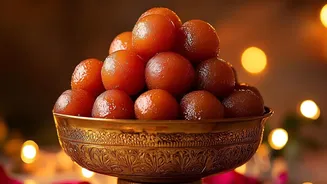
Ultimately, these food festivals are performing a vital cultural service. They are becoming living, breathing archives of India’s culinary diversity. By celebrating heirloom recipes, they are documenting and preserving a crucial part of India's intangible heritage. Each dish served is a lesson in history, geography, and family tradition. These events ensure that the subtle art of a perfectly spiced biryani or the comforting warmth of a traditional sweet passed down from a grandmother is not forgotten. They reinforce the idea that every kitchen has a story worth telling and every family recipe is a treasure worth preserving.