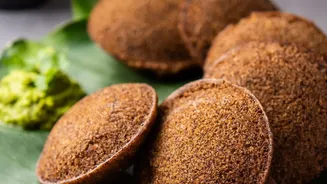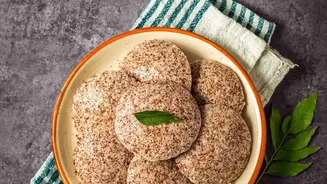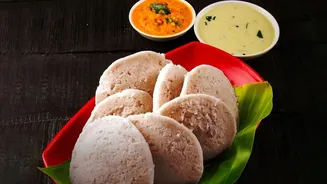

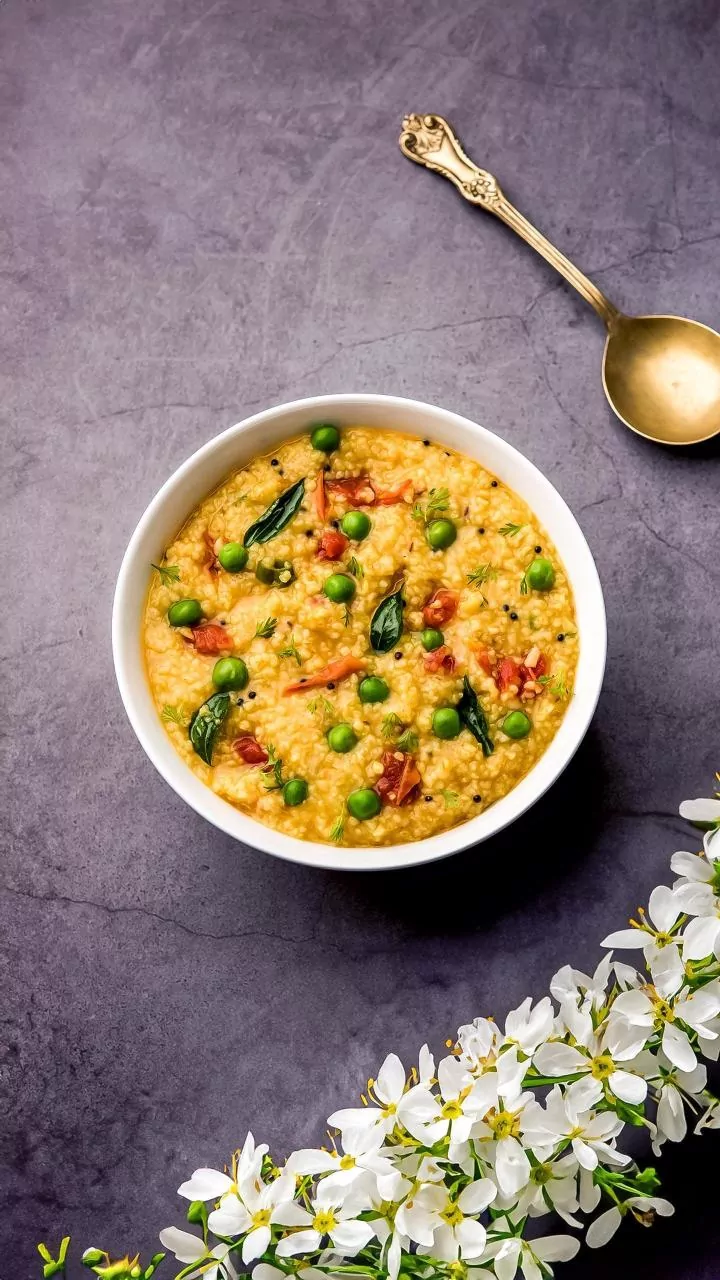




The shift back to traditional grains is transforming Indian breakfasts. Leading the charge is the humble foxtail millet, now starring in the classic idli. This simple switch offers a powerhouse of nutrition without sacrificing that beloved fluffy texture.
Why Make Friends with Foxtail Millet?
Known as 'Kangni' in Hindi or 'Thinai' in Tamil, foxtail millet is an ancient grain making a well-deserved comeback. Unlike polished white rice, it is a nutritional heavyweight. It’s naturally gluten-free and boasts a low glycemic index, which helps in managing blood sugar levels by releasing energy slowly. This makes it an excellent choice for diabetics and anyone looking for sustained energy throughout the morning. Furthermore, it is packed with dietary fibre, promoting better digestion and keeping you feeling full for longer, which can aid in weight management. Rich in essential minerals like iron, magnesium, and calcium, foxtail millet also supports bone health and can help boost immunity.
A Simple Recipe for Soft Foxtail Millet Idli
Making millet idlis is very similar to the traditional process. The key is in the soaking and grinding. This recipe yields soft, light idlis with a subtle nutty flavour that pairs beautifully with any chutney or sambar. Ingredients: 1.5 cups Foxtail Millet (Thinai/Kangni) 1/2 cup Urad Dal (split black gram) 1/2 teaspoon Fenugreek (Methi) Seeds Salt to taste * Water for soaking and grinding Method: 1. Soak the Ingredients: Wash the foxtail millet thoroughly until the water runs clear. Soak it in a bowl with enough water to cover it. In a separate bowl, wash and soak the urad dal and fenugreek seeds together. Let both bowls soak for at least 6 to 8 hours. Soaking separately is crucial as they require different grinding textures. 2. Grind the Batter: Drain the urad dal and fenugreek seeds. Grind them in a mixer-grinder or wet grinder with a little cold water until you have a smooth, light, and fluffy batter. Transfer it to a large bowl. Next, drain the foxtail millet and grind it to a slightly coarse, fine semolina-like texture. Use water sparingly; the millet batter should be thick. 3. Combine and Ferment: Add the ground millet to the urad dal batter. Add salt and mix everything thoroughly with your hand. Mixing by hand is a traditional technique believed to aid fermentation. Cover the bowl and leave it in a warm place to ferment for 8 to 12 hours. The batter will rise and smell slightly sour when ready. 4. Steam the Idlis: Once fermented, give the batter a gentle stir. Do not overmix, as this will deflate the air pockets. Grease your idli plates with a little oil or ghee. Pour the batter into the moulds. Steam for 10-15 minutes on a medium flame. To check if they are done, insert a toothpick or wet spoon; it should come out clean. 5. Serve: Let the idlis rest for a couple of minutes before scooping them out of the moulds. Serve hot with your favourite coconut chutney, tomato chutney, or a bowl of hot sambar.
Tips for Perfect Millet Idlis Every Time
Getting that perfect, pillowy texture with millets is easy if you keep a few things in mind. First, don't skimp on the soaking time; 6-8 hours is ideal for both the millet and the dal. Second, getting the batter consistency right is key. The urad dal batter should be very smooth and fluffy, while the millet batter should be slightly coarse. This combination creates a wonderful texture. Always use minimal water while grinding, as millet batters can become watery after fermentation. Finally, fermentation is crucial. If you live in a cold climate, place the batter bowl in a turned-off oven with the light on to provide gentle warmth. Don’t judge fermentation by how much the batter has risen; millet batter often rises less than rice batter. The presence of bubbles and a sour aroma are better indicators.