





First, What Is a 'Monsoon Fruit'?
For many Americans, “monsoon” conjures images of the torrential rains of South Asia or, closer to home, the summer storms of the Southwest. But culturally, it’s also a culinary season. A “monsoon fruit” isn’t just any fruit that happens to be available;
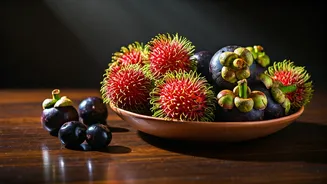
it’s a specific category of produce prized for its ability to thrive and provide nourishment during a period of intense humidity, rain, and heat. These fruits are often juicy and hydrating, packed with vitamins (especially Vitamin C) to help bolster immunity when seasonal sniffles are common, and offer a burst of bright, tangy, or sweet flavor that cuts through the gray, damp weather. Think of them as nature’s defense against the rainy-day blues.
The Classic: Jamun (Java Plum)
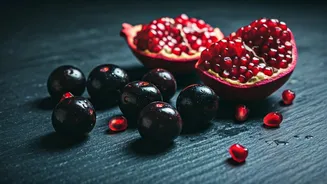
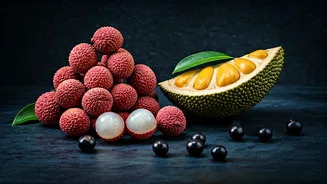
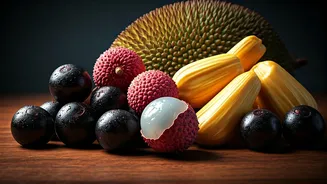
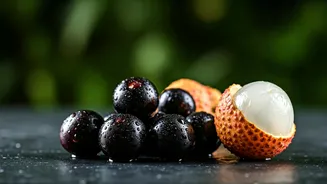
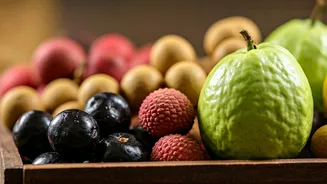
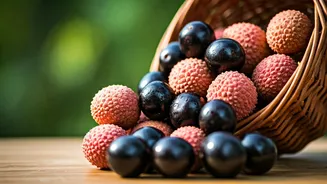
To understand the list, you have to know the classics. Enter Jamun, also known as Java Plum or Black Plum. This small, oblong, deep-purple fruit is the undisputed king of the monsoon in India and Southeast Asia. Biting into one delivers a unique flavor journey: a sweet and tangy start followed by a distinctively astringent finish that makes your mouth pucker in the most delightful way. It’s known to stain your tongue purple, a temporary badge of honor for anyone enjoying the season's best. Beyond its taste, it’s traditionally valued in Ayurvedic medicine and is rich in antioxidants, potassium, and Vitamin C.
The Sweet Duo: Lychee and Longan
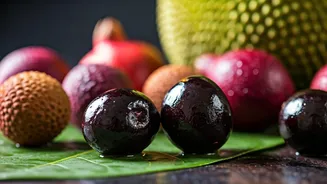
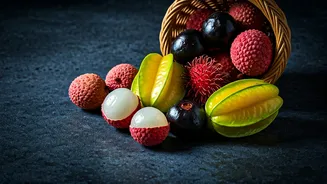
While their peak season often starts just before the monsoon, lychees and their close cousin, longans, are intrinsically linked to the arrival of the rains. Lychees, with their bumpy red skin and fragrant, floral white flesh, are a burst of perfumed sweetness. They are incredibly hydrating and offer a shot of energy on a lethargic, humid day. Longans are smaller, with a smooth, tan-colored skin and a more subtly sweet, almost musky flavor. Both are perfect for eating fresh, offering a moment of pure, juicy relief from the oppressive heat that often precedes a downpour.
The Underdog: Peaches and Plums
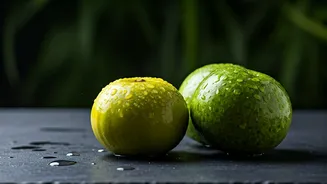
Bringing the concept closer to home, the stone fruits of American summer are our own version of monsoon heroes. Peaches and plums hit their peak during the hottest, and often stormiest, months. Their juicy flesh is the perfect antidote to sweltering humidity, replenishing fluids and delivering a payload of vitamins A and C. Like their South Asian counterparts, they offer a bright, acidic sweetness that feels refreshing and vital. A perfectly ripe peach, dripping juice down your chin on a hot July afternoon, shares the exact same spirit as a handful of jamun during a Delhi downpour.
The New Champion: Pomegranate
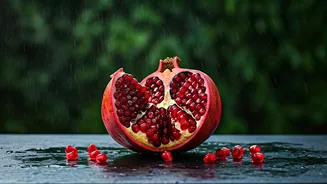
And now, the headliner. In the U.S., we associate pomegranates with autumn recipes and holiday tables. But in its native regions, the pomegranate harvest begins in the late monsoon period (around August and September). This makes it a perfect transitional fruit. Its tough, leathery exterior protects the treasure within: hundreds of sparkling, ruby-red arils. Each aril is a tiny explosion of sweet-tart juice, a concentrated burst of flavor that feels incredibly cleansing. More importantly, pomegranates are an antioxidant powerhouse, famously rich in polyphenols and Vitamin C. As the monsoon season wanes and the weather shifts, this nutritional profile makes it the ideal fruit to prepare your body for the coming season. Its brightness cuts through the last of the gloom, and its health benefits are exactly what the “monsoon fruit” ethos is all about.