





A Flood of Fakes in High-Fidelity
The past few years have seen a dramatic leap in AI image generation. Tools can now produce hyper-realistic scenes, portraits, and documents from a simple text prompt, making it possible for anyone to create convincing forgeries. Europol projected that
by 2026, as much as 90% of online content could be synthetically generated. This flood of high-quality fakes poses a direct threat to the integrity of information in critical fields like journalism, law enforcement, and court proceedings, where a single image can shape a narrative or decide a case. The ease of creation means the assumption that a photograph represents a moment of reality is no longer a safe one.
The Imperfect Digital Watchdog
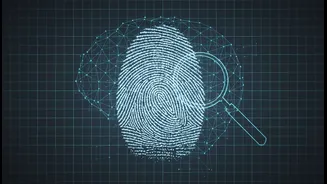
In response, a new market of AI image detectors has emerged, designed to spot the tell-tale signs of artificial creation. These tools analyze images for subtle artifacts, pixel-level inconsistencies, and statistical patterns that are often invisible to the human eye. They look for unnatural uniformity, impossible lighting, or forensic signals left behind by the generative AI tool itself. However, these detectors are far from infallible. They exist in a constant arms race with the AI models they are trying to identify; as generation techniques improve, detection methods must scramble to keep up. This leads to a significant problem with both false positives (flagging a real photo as fake) and false negatives (missing a synthetic image entirely). Simple acts like compressing an image, taking a screenshot, or making minor edits can remove the very data the detector needs to make an accurate call.
From Detection to Provenance
This imperfection is precisely why AI detectors matter, but not in the way you might think. Their most significant impact is not in providing a simple yes/no answer, but in forcing a fundamental shift in our standards of evidence. Since we can no longer trust the content of an image on its own, the focus must move to its origin, or what experts call 'digital provenance'. Provenance is the verifiable record of a digital asset's entire lifecycle: who created it, when, with what device, and how it has been handled or modified since. It's about creating a tamper-evident chain of custody, often using cryptographic hashes and digital signatures, from the moment of capture.
New Rules for the Newsroom and Courtroom
In practice, this means building new human-led processes. For journalists, it's not enough to run a photo through a detector. Newsrooms are now creating triage systems, categorizing images by risk level and requiring a combination of detector results, reverse image searches, and source verification before publishing high-stakes visuals. The detector becomes one data point in a broader investigation into the image's history. Similarly, in the Indian legal system, while there is no specific law for deepfakes, the admissibility of electronic evidence is already under scrutiny. Courts increasingly demand strict procedural safeguards. The rise of AI fakes is accelerating the need for standardized protocols for authenticating digital evidence, moving beyond just looking at the image to forensically examining its metadata and origin. Without this, the fairness of judicial processes is at risk.