





More Than Just a Trend
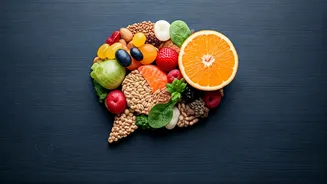
Not long ago, plant-based eating was seen as a niche choice. Today, it's a mainstream pillar of wellness, and for good reason. The initial hype has settled, revealing a powerful and reliable way to nourish our bodies. The conversation has shifted from
simply replacing meat to understanding the unique, standalone benefits that plant proteins bring to the table. These benefits go beyond basic nutrition, contributing to improved long-term health outcomes, better digestion, and even a healthier planet. Choosing plant proteins is less about following a trend and more about making a conscious investment in your everyday vitality and future well-being.
The Nutritional Power-Up
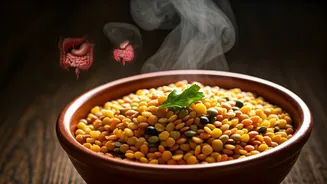
When you choose plant proteins, you're getting more than just protein. Unlike many animal sources, plants come packaged with a host of other essential nutrients. Chief among them is fibre, a nutrient crucial for digestive health and maintaining a healthy gut microbiome. This fibre helps regulate blood sugar, keeps you feeling full longer, and supports the growth of beneficial gut bacteria. Furthermore, plant-based diets are consistently linked with a lower risk of chronic conditions such as heart disease, type 2 diabetes, and certain cancers. They are typically lower in saturated fat and cholesterol while being rich in vitamins, minerals, and antioxidants that help fight inflammation and cellular damage.
Debunking the 'Incomplete' Protein Myth
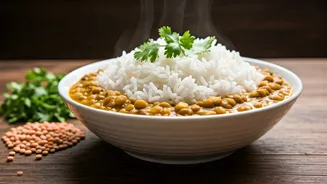
One of the most persistent myths about plant-based diets is the idea of "incomplete" proteins. The theory was that most plants lack one or more essential amino acids, and you needed to meticulously combine different foods in one meal to form a 'complete' protein. However, nutrition science has largely moved past this idea. Experts now agree that the human body is quite resourceful. It maintains a pool of amino acids and can combine them from various foods eaten throughout the day. As long as you eat a varied diet including legumes, grains, nuts, and seeds, you will easily get all the essential amino acids your body needs. Many classic Indian meals, like dal with rice or rajma with roti, are perfect examples of this principle in action, naturally forming complete protein profiles.
Stocking Your Plant Protein Pantry
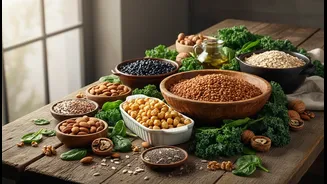
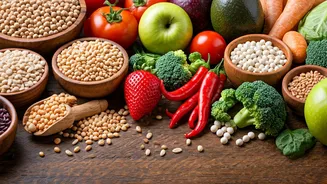
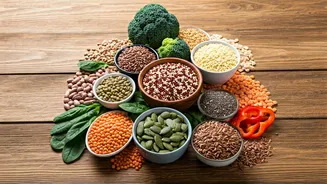
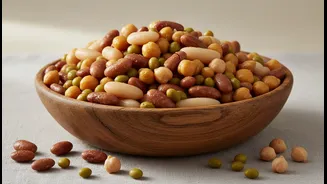
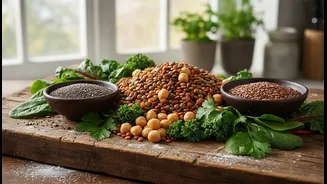
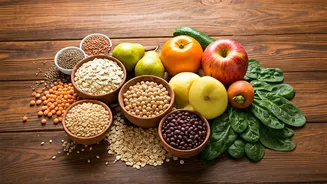
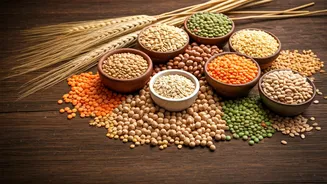
Incorporating more plant protein into your diet is simpler and more delicious than you might think, especially with India's rich culinary heritage. Your kitchen is likely already stocked with protein powerhouses. Lentils (dal), chickpeas (chana), and kidney beans (rajma) are staples that form the base of countless nutritious meals. Soy products like tofu and soy chunks are incredibly versatile and absorb flavours beautifully. Nuts and seeds, such as almonds, walnuts, and chia seeds, make for great snacks or additions to smoothies and oatmeal. Even grains like quinoa and buckwheat are excellent protein sources. Starting is as simple as aiming for one meatless meal a week or swapping a portion of meat with lentils in a curry.
A Kinder Choice for the Planet
The benefits of plant protein extend beyond personal health to the health of our planet. Animal agriculture is a significant contributor to greenhouse gas emissions, deforestation, and water usage. In contrast, producing plant-based proteins requires significantly less land, water, and energy. By shifting some of our consumption towards plants, we can collectively reduce our environmental footprint. Choosing a dal or a bean curry over a meat-based dish is a small, everyday action that contributes to a larger, positive impact on environmental sustainability, helping to conserve resources for future generations.