
What Exactly Is Sattu?
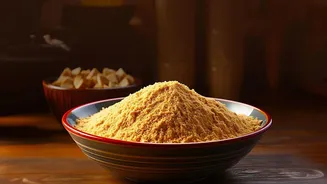
Sattu is a flour made from roasted Bengal gram (chana), and sometimes a mix of other grains like barley. A long-standing staple in states like Bihar, Uttar Pradesh, and Punjab, it has been consumed for centuries as a cooling drink or as a filling for parathas
and litti. Unlike besan (gram flour), which is made from raw chickpeas, sattu is made from roasted grams, giving it a distinct nutty flavour and making it ready to eat without cooking. This 'poor man's protein' is now being rediscovered by a new generation for its incredible nutritional profile and versatility.
A Post-Workout Nutritional Powerhouse
The main reason sattu is gaining traction in fitness circles is its impressive protein content. A 100-gram serving packs roughly 20-26 grams of plant-based protein, which is crucial for repairing and building muscle after exercise. But it's not just about protein. Sattu is also rich in dietary fibre, which aids digestion and promotes a feeling of fullness, helping to curb post-workout hunger pangs. It delivers a dose of complex carbohydrates for sustained energy release, preventing the dreaded energy crash. Furthermore, it is packed with essential minerals like iron, magnesium, and calcium, which help replenish what's lost through sweat and support overall recovery.
The Budget-Friendly Fuel
In a market flooded with expensive whey protein tubs and fancy supplements, sattu stands out as a remarkably affordable alternative. While whey protein can cost anywhere from ₹1,500 to ₹6,000 per kilogram, sattu flour is widely available for a fraction of that price, often between ₹60 and ₹100 per kilogram. This makes it an accessible and sustainable choice for students and young professionals who are health-conscious but also mindful of their expenses. A single serving of a sattu-based drink or bowl can deliver a protein punch comparable to a boiled egg but at a lower cost and with added fibre and minerals.
The Modern Smoothie Bowl Makeover
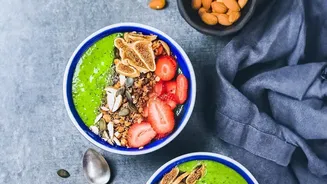
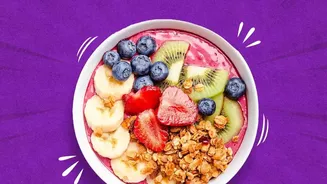
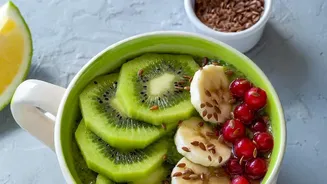
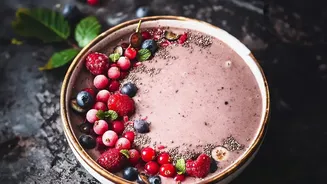
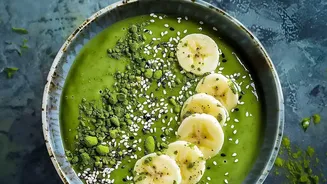
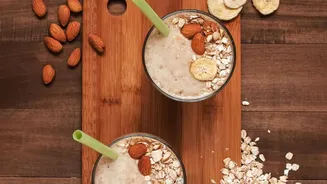
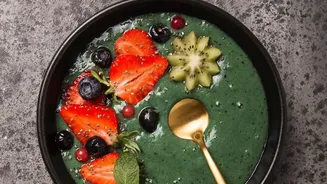
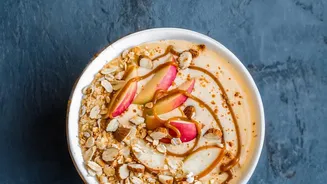
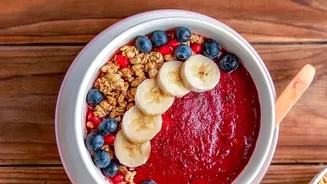
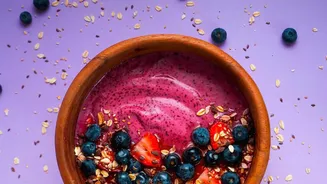
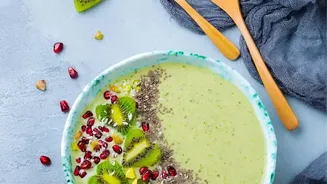
While traditionally consumed as a simple sharbat (drink) with water, lemon, and black salt, young Indians are creatively adapting sattu to fit modern wellness trends. The smoothie bowl is the perfect canvas. Blending sattu into a thick, creamy base with fruits, milk, or yogurt transforms it from a rustic staple into an Instagram-worthy meal. This format not only makes it more palatable and enjoyable but also allows for endless customisation. Topping it with nuts, seeds, and fresh fruit adds texture, flavour, and an extra boost of nutrients, turning a simple flour into a complete, satisfying, and visually appealing post-workout meal.
How to Build Your Perfect Sattu Bowl
Creating your own sattu smoothie bowl is simple. The goal is a thick, spoonable consistency. Start with a base, blend it until smooth, and then add your favourite toppings. Here’s a simple guide to get you started: The Base (Blend these together): Sattu: 3-4 tablespoons. Liquid: About 1 cup of milk, almond milk, curd (yogurt), or even just water for a lighter version. Use less liquid for a thicker bowl. Creaminess & Sweetness: 1 ripe banana (frozen for extra thickness) or a few pitted dates. Optional Flavour Boosters (Add to the blender): A pinch of cardamom or cinnamon. 1 tablespoon of peanut butter for extra protein and healthy fats. The Toppings (Sprinkle on top): Fruits: Sliced banana, berries, pomegranate seeds. Crunch: Pumpkin seeds, chia seeds, chopped almonds, or walnuts. Sweetness: A drizzle of honey or jaggery if needed.