

For decades, 'Indian food' often meant a familiar rotation of North Indian curries. Now, a culinary revolution is underway, as the nation’s incredibly diverse regional and local foods are finally taking centre stage. Here’s what’s driving the shift.
Beyond the Usual Suspects
For
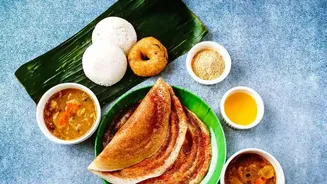
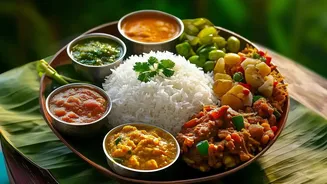
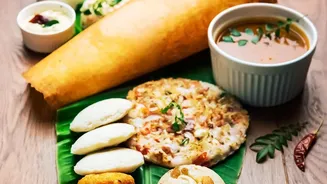
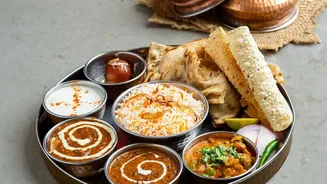
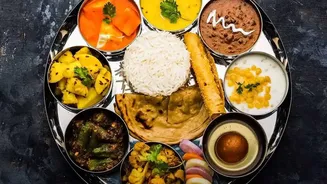
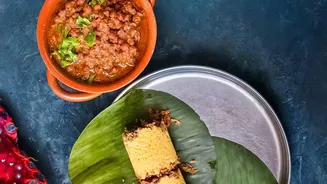
a long time, the menus of most Indian restaurants across the country, and indeed the world, were dominated by a handful of dishes like butter chicken, paneer tikka masala, and naan. While delicious, these items represent just a sliver of the subcontinent's vast culinary landscape. Today, diners are moving past this standardised fare. There's a growing hunger for authenticity and a desire to explore the distinct flavours that define India’s states, from the seafood-rich cuisine of Kerala to the smoky, earthy dishes of Nagaland. This shift is dismantling the myth of a single 'Indian cuisine', replacing it with a more accurate and exciting mosaic of regional specialities. Consumers are no longer content with a diluted version; they want the real, unadulterated flavours of a place.
The Rise of the Culinary Explorer
A new generation of Indian chefs is at the forefront of this movement. Many have embarked on personal journeys across the country, leaving behind European techniques to explore their own culinary heritage. Chefs like Thomas Zacharias, formerly of The Bombay Canteen, and Avinash Martins of Cavatina, Goa, are championing a hyperlocal ethos. They are digging deep into regional produce, foraging for forgotten ingredients, and reviving ancestral recipes. This isn't just about putting a new dish on the menu; it's about telling the story of a place through its food, celebrating the farmers who grow the ingredients, and institutionalising respect for traditions that have been preserved for generations. These chefs are transforming food nostalgia into high culinary art, creating dishes that are both innovative and deeply rooted in a specific region or even a single district.
Social Media's Insatiable Appetite
The power of a viral reel or an Instagram post in shaping food trends cannot be overstated. Social media has become a powerful discovery tool, introducing millions to dishes they might never have encountered otherwise. The visual nature of platforms like Instagram and TikTok makes Indian food, with its vibrant colours and textures, inherently shareable. A Naga pork curry or a Goan seafood thali can become instantly desirable to someone scrolling their feed hundreds of miles away. This digital spotlight has been a boon for home chefs and small businesses specialising in specific community cuisines, from Parsi to Bohri to Malvani, giving them a platform to reach a national audience. Food influencers and bloggers have become the new tastemakers, creating a buzz that translates directly into footfall and online orders.
A Craving for Connection and Wellness
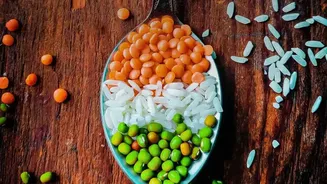
The trend towards regional food is also part of a larger cultural shift. In an increasingly globalised world, there is a growing desire to connect with one's roots. Food is a powerful vehicle for this, offering a tangible link to family history and heritage. Furthermore, as health and wellness become more mainstream, consumers are recognising the benefits of traditional Indian diets. Many regional cuisines are inherently plant-based, featuring a wide variety of vegetables, lentils, and ancient grains like millets. This aligns perfectly with the modern diner's search for healthier, more sustainable food options that don't compromise on flavour. The demand for 'authentic' is booming, with consumers seeking out comfort and trust in food that feels genuine.