

1. Chia Seeds: The Fibre Powerhouse
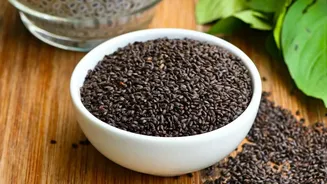
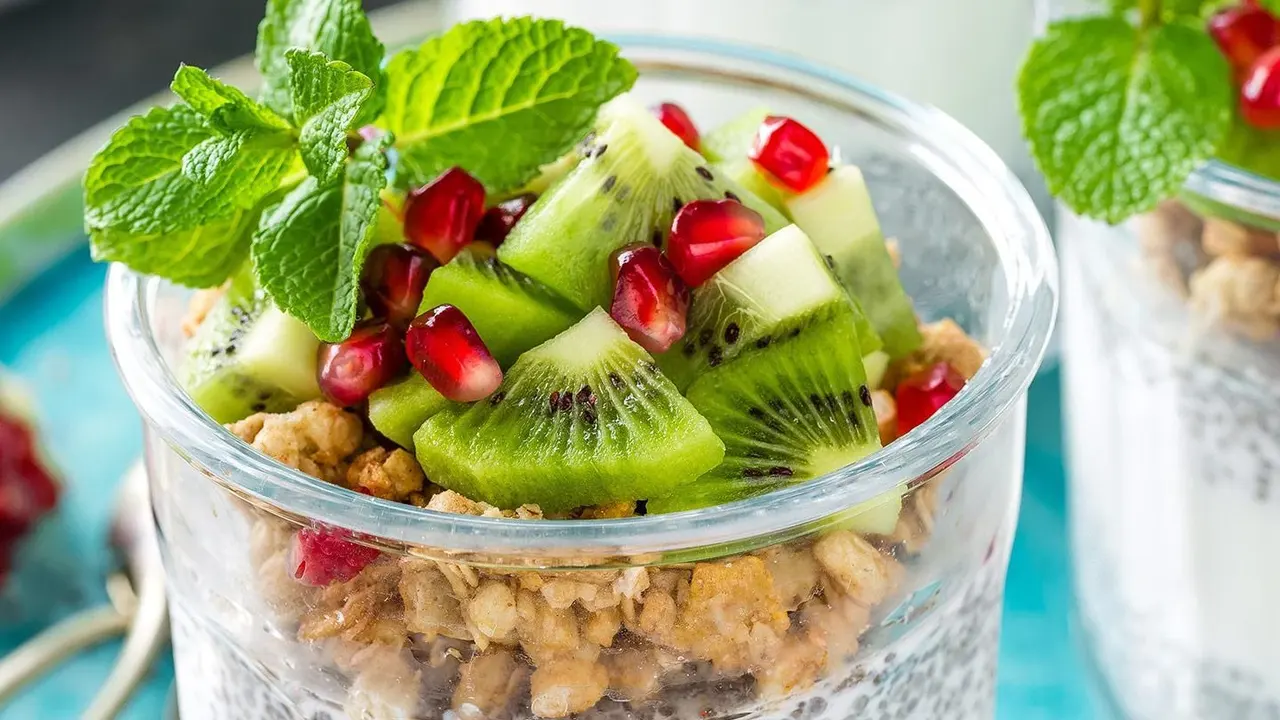
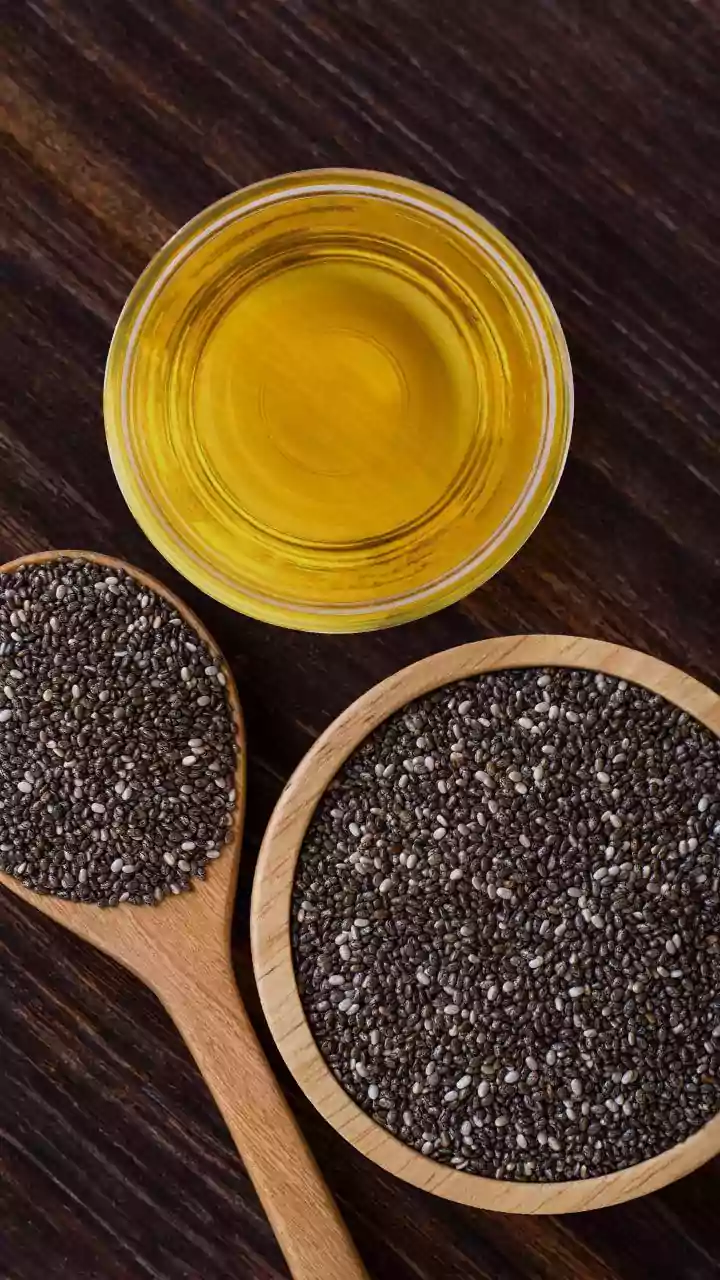
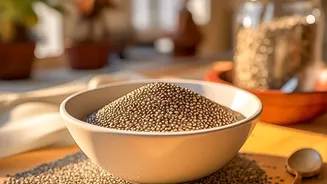
These tiny black seeds are exceptionally rich in soluble fibre, which is a key player in managing blood sugar. When consumed, chia seeds form a gel-like substance in the stomach, slowing down digestion and the absorption of carbohydrates. This process
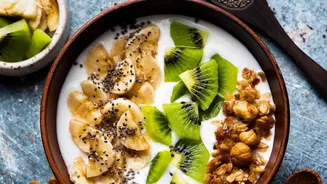
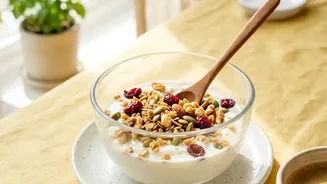
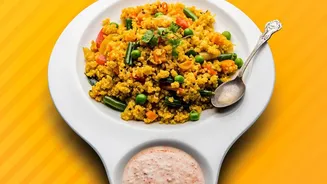
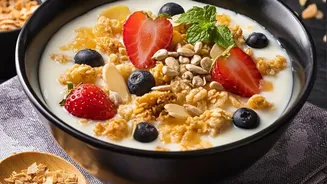
helps prevent the sharp spikes in blood glucose that can occur after a meal. With very few net carbs and a high content of omega-3 fatty acids and protein, they are a nutritional powerhouse. Their low glycemic index means they have a minimal impact on blood sugar levels. Easily accessible across India, they can be soaked overnight to create a pudding, blended into smoothies, or simply sprinkled over yoghurt, oatmeal, or even upma for an added nutritional boost.
2. Flax Seeds (Alsi): The Heart-Healthy Helper
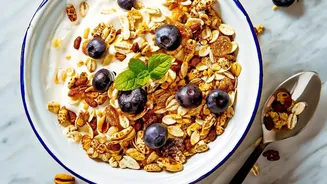
Commonly known as 'Alsi' in India, flax seeds are celebrated for their significant health benefits, particularly for blood sugar control and heart health. They are a fantastic source of both soluble and insoluble fibre, which aids in slower glucose release into the bloodstream. Studies have shown that regular consumption of flax seeds can lead to improved insulin sensitivity and reduced fasting blood sugar levels. Rich in omega-3 fatty acids and lignans, which have antioxidant properties, flax seeds also help combat inflammation. For best absorption, it's recommended to consume them ground. You can easily add a tablespoon of ground flaxseed to your roti or chapati dough, mix it into smoothies, or sprinkle it over a bowl of porridge or curd.
3. Pumpkin Seeds (Kaddu Ke Beej): The Mineral Boost
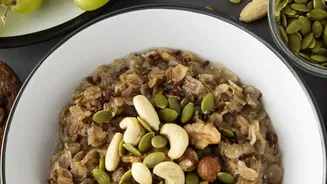
Far more than just a leftover from carving pumpkins, these green seeds are a nutrient-dense snack perfect for a diabetes-friendly diet. Pumpkin seeds have a very low glycemic index, meaning they have almost no impact on blood sugar levels. They are an excellent source of magnesium, a mineral that plays a crucial role in glucose metabolism and improving insulin sensitivity. Many people with diabetes have been found to be deficient in magnesium, making pumpkin seeds a valuable dietary addition. They are also packed with protein and healthy fats, which promote satiety and provide stable energy. Enjoy a small handful raw or roasted (unsalted is best) as a snack, or sprinkle them over salads, poha, or yoghurt for a satisfying crunch.
4. Sunflower Seeds (Surajmukhi Ke Beej): The Vitamin E Source
With a mild, nutty flavour, sunflower seeds are another excellent low-carb option. They are high in healthy fats, protein, and fibre, a combination that helps in feeling full and managing blood sugar. A one-ounce serving contains only a few grams of net carbs. Sunflower seeds are one of the best natural sources of Vitamin E, a powerful antioxidant that helps reduce inflammation, a common concern in diabetes management. They also provide essential minerals like magnesium and selenium. These seeds are widely available and can be eaten as a snack, added to trail mixes, sprinkled on salads, or blended into chutneys and dips for a creamy texture.
5. Sesame Seeds (Til): The Traditional Staple
A staple in Indian cooking for centuries, sesame seeds (til) are small but mighty when it comes to nutritional benefits for diabetes. They are a good source of high-quality protein and healthy fats, which can aid in blood sugar control. The presence of magnesium in sesame seeds also helps in managing blood pressure, another important aspect of diabetes care. Furthermore, compounds like sesamin found in these seeds possess anti-inflammatory and antioxidant properties. Available in both black and white varieties across the country, they can be toasted and sprinkled over vegetable dishes, added to salads, or ground with spices to make a flavourful powder for porridges and other breakfast items.