








The Public Transport Shutdown
The biggest factor turning a short trip into a long one is the near-complete shutdown of public transport. In cities like Delhi, Mumbai, and Bangalore, the metro and local train networks are the lifelines for millions. However, these services have a hard
stop. Most metro services across major cities begin to wind down after 11:00 PM, with the last train typically leaving its station by 11:30 PM. While this allows for essential overnight maintenance, it leaves commuters stranded. City buses, another crucial and affordable option, also see a drastic reduction in frequency, with many routes stopping entirely after 10 or 11 PM. What was a ten-minute metro ride during the day can become an hour-long, expensive road journey at night.
The Ride-Hailing Gamble
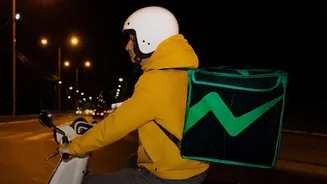
The default alternative for many is a ride-hailing app like Uber or Ola. While these services are available 24/7 in most metro areas, their reliability plummets after midnight. Fewer drivers are on the road, leading to longer wait times. This scarcity also triggers surge pricing, which can multiply the fare two or three times over. It’s not uncommon to face a series of driver cancellations before finally securing a ride, adding significant time and frustration to your journey. The driver might be far away, adding another 15-20 minutes to your wait. This makes the seemingly convenient option a high-stakes gamble on a late night.
Invisible Hurdles on the Road
Even once you’re on the road, your map’s ETA can be misleading. Cities use the quieter night hours for maintenance and construction. Roads that were clear during the day might have sudden diversions or closures that your app hasn’t registered yet. Furthermore, late-night police checkpoints, while essential for security, can create unexpected bottlenecks, adding precious minutes to your travel time. These factors are unpredictable and rarely feature in the estimated travel time, turning a straightforward route into a maze.
Safety and The Slower Pace
Safety is a primary concern for anyone travelling late at night, and this rightfully impacts travel time. Drivers, whether in a private car or a hired cab, tend to drive more cautiously. They might stick to main, well-lit roads instead of taking shortcuts through darker, unfamiliar neighbourhoods. While this is a sensible precaution, it often means taking a longer route. For solo travellers, especially women, sharing ride details and staying on call with family or friends is a crucial safety step, but the underlying anxiety can make any journey feel longer and more stressful. It’s a mental tax that adds to the physical duration of the commute.
Your Late-Night Commute Plan
The key to conquering the late-night commute is planning. If you know you'll be out late, check the last metro or bus timings beforehand. Many transit apps provide this information. If relying on cabs, try the 'schedule ride' feature; it doesn't guarantee a ride, but it can help. Have multiple ride-hailing apps on your phone to increase your chances. For women, having women-only cab services or a trusted local taxi number can be a great backup. Always share your live location with a trusted contact. Lastly, if possible, try to leave a little earlier. Beating the public transport shutdown by even 30 minutes can be the difference between a quick trip and a long, drawn-out return.