






The Problem with the Coffee Kick
For many tech professionals, the afternoon coffee is a deeply ingrained ritual. It provides a fast-acting jolt of alertness, thanks to its high caffeine content. Caffeine works by blocking adenosine, a neurotransmitter that signals tiredness to the brain.
This results in a quick surge of energy, which can feel essential when facing a complex coding problem or a looming deadline. However, this rapid spike often comes with downsides. The same mechanism that provides the kick can also trigger feelings of anxiety, restlessness, and the notorious 'jitters'. This is followed by the almost inevitable caffeine crash, a sudden drop in energy that can leave you feeling more tired than before. For work that requires deep, sustained concentration, this rollercoaster of energy can be counterproductive.
Matcha’s Secret Weapon: L-Theanine
Matcha is a powdered green tea made from the entire tea leaf, which gives it a potent concentration of nutrients. While it contains caffeine—typically less than a standard cup of coffee—its effects are profoundly different. The key is a unique amino acid called L-theanine. Found almost exclusively in tea plants, L-theanine promotes a state of calm and relaxation without causing drowsiness. It does this by increasing alpha brain waves, which are associated with a state of 'calm alertness' similar to that achieved during meditation. It also helps modulate neurotransmitters like serotonin and dopamine, which can improve mood and reduce stress. This makes matcha’s buzz less of a frantic jolt and more of a smooth, steady hum.
The Synergistic Power of Two
The magic of matcha lies not in its individual components, but in the synergy between caffeine and L-theanine. When consumed together, L-theanine smooths out the harsh edges of caffeine. It mitigates the jitteriness and anxiety that coffee can induce, while the caffeine enhances the focus-boosting properties of the L-theanine. Clinical studies confirm this powerful pairing improves attention, sharpens reaction time, and enhances cognitive performance more effectively than caffeine alone. The result is a prolonged period of clean, focused energy that can last for hours, without the dramatic peak and subsequent crash. This makes it an ideal beverage for tasks that demand mental endurance, like programming, data analysis, or strategic planning.
A Mindful Ritual for a Hectic Day
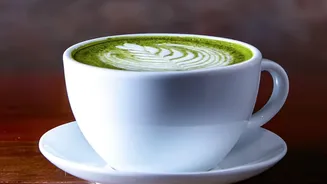
Beyond the neurochemical benefits, the very act of preparing matcha offers a welcome counterpoint to the fast-paced tech world. While grabbing a coffee can be a frantic dash, making matcha is often a deliberate, mindful ritual. The process of sifting the powder, adding hot water, and whisking it into a frothy beverage encourages a moment of pause. In a culture that increasingly values mindfulness and mental well-being to combat burnout, this small ritual can serve as a mental reset. It's a few minutes carved out of the day to step away from the screen, focus on a simple physical task, and prepare for the next block of focused work with a clear and calm mind. This intentionality is a key part of its growing appeal in high-stress professions.