



1. Quick-Dry Synthetic Clothing
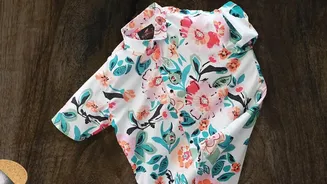
During the monsoon, humidity is your biggest enemy, and cotton your greatest foe. Cotton fabrics absorb moisture and can take days to dry, leaving you with a bag full of damp, musty clothes. Instead, pack lightweight synthetic fabrics like polyester and nylon.
These materials wick moisture away from your skin and dry in a fraction of the time, meaning you can often wash them in a hotel sink and have them ready by morning. Prioritise quick-dry t-shirts, trousers, and underwear to stay comfortable.
2. A Waterproof Backpack and Rain Cover
A sudden downpour can soak your entire bag—and everything in it—in minutes. Protecting your electronics, documents, and spare clothes is non-negotiable. Invest in a waterproof backpack or, at the very least, a reliable rain cover that fits snugly over your existing bag. Keep the cover in an easily accessible pocket, not buried at the bottom of your luggage, so you can pull it out the moment the weather turns.
3. The Right Kind of Footwear
Leather shoes get ruined by water and canvas sneakers become heavy, squelchy messes that never seem to dry. The best footwear for monsoon travel is a pair of waterproof sandals with good grip or rubber floaters. They don't absorb water, allow your feet to dry quickly, and provide better traction on slippery, rain-soaked streets. Avoid smooth-soled flip-flops, as they can be hazardous on wet surfaces.
4. A Sturdy Umbrella and a Lightweight Raincoat
While it seems obvious, the type you choose matters. A compact, wind-resistant umbrella is great for navigating city streets during light showers. However, for trekking or when the wind and rain pick up, a lightweight poncho or rain jacket is far more practical as it keeps your hands free. Having both ensures you are prepared for any kind of downpour.
5. Waterproof Pouches for Valuables
Your phone, wallet, passport, and power bank need extra protection. Use waterproof dry bags or dedicated pouches to keep your essential electronics and documents completely safe from water damage. In a pinch, even a few high-quality resealable plastic bags can serve as a great, budget-friendly alternative to keep moisture out. Grouping smaller items in these pouches also helps keep your main bag organised.
6. A Reliable Power Bank
Power cuts can become more frequent during heavy rains and storms, especially in more remote areas. A fully charged power bank is a lifesaver, ensuring your phone and other essential devices stay powered up, even if the lights go out. This is particularly important for navigation, communication, and any online bookings you may have.
7. Potent Mosquito Repellent
The monsoon season brings stagnant water, which creates a breeding ground for mosquitoes. An effective insect repellent is crucial to protect yourself from bites and mosquito-borne illnesses like dengue and malaria, which see a peak during this time. Apply it generously to exposed skin, especially during the evening.
8. A Basic First-Aid Kit
Slippery surfaces can lead to minor cuts and scrapes, and the damp conditions can increase the risk of infections. Pack a basic first-aid kit that includes antiseptic wipes, waterproof bandages, and any personal medications. It's also wise to include medication for common stomach ailments, as water contamination can be a concern during this season.
9. A Compact Microfibre Towel
Hotel towels are often thick cotton, which, like your clothes, will struggle to dry in the humid monsoon air. A quick-dry microfibre towel is a fantastic addition to your bag. It’s lightweight, highly absorbent, and dries incredibly fast, making it useful for everything from an unexpected drenching to wiping down your gear.
10. Silica Gel Packets
Humidity has a way of seeping into your luggage, even when your bag has been protected from direct rain. This can leave your clothes and shoes feeling damp and smelling musty. A simple trick is to toss a few small silica gel packets into your suitcase and shoes. They absorb excess moisture and help keep everything inside your bag feeling fresher.