





The Classic Monsoon Dilemma
Every year, from July to September, countless travellers face the same problem. Your planned trip to popular destinations in Himachal Pradesh, Uttarakhand, or the Western Ghats is suddenly at risk. Heavy monsoon rains lead to landslides, road closures,
and flash floods, particularly in regions like the Kullu-Manali corridor, the area around Mussoorie, or Munnar in Kerala. These areas, while beautiful, sit on fragile slopes that become unstable when saturated with rain, often cutting off access and leaving travellers stranded. This forces a frustrating choice: cancel the trip and lose your holiday, or brave the risks. This is where smart planners pivot.
Spiti: The Rain Shadow Sanctuary
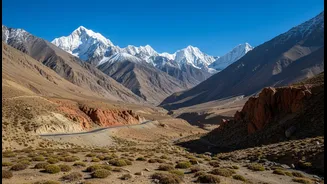
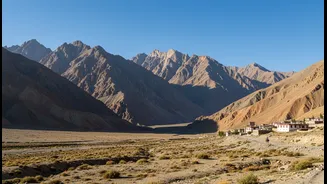
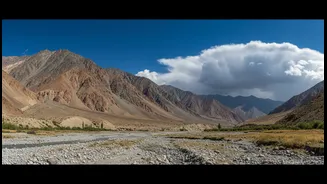
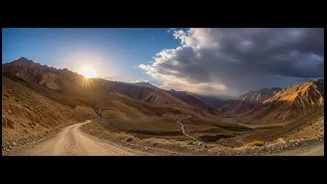
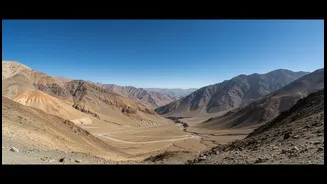
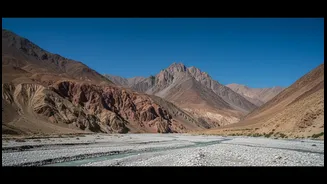
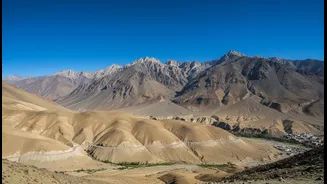
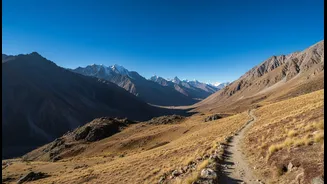
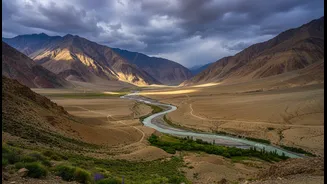
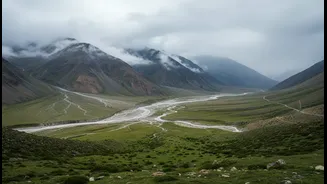
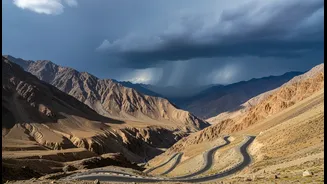
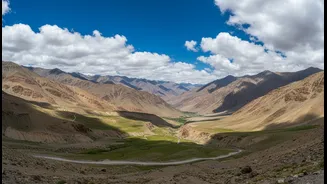
The secret to a successful monsoon trip lies in geography. Spiti Valley, a high-altitude cold desert in Himachal Pradesh, is located in a 'rain shadow' region. The towering Pir Panjal and Great Himalayan ranges to its south act as a massive barrier, blocking the moisture-laden monsoon clouds that drench the rest of the country. While other hill stations receive heavy rainfall, Spiti experiences minimal showers, resulting in largely dry, sunny days and clear blue skies. This unique climatic advantage makes it one of the safest and most accessible Himalayan destinations during the peak monsoon months.
Activating Your Spiti Backup Plan
Using Spiti as a backup isn't about making a last-minute, chaotic decision. It's about flexible planning. The strategy involves monitoring the weather and road conditions in your primary destination in the weeks leading up to your trip. If reports show increasing monsoon fury—landslide warnings, continuous heavy rain—it's time to activate Plan Spiti. This requires having a rough, alternate itinerary ready. The key is to book flexible or last-minute transport and accommodation where possible. While the approach roads to Spiti can be affected by rain in the lower hills, the valley itself remains largely dry, making it a calculated and reliable pivot.
Choosing Your Route: Shimla vs. Manali
There are two main arteries into Spiti, and your choice during monsoon is critical. The route from Shimla via Kinnaur is longer but generally considered the more reliable, all-weather option. It allows for gradual acclimatisation to the altitude, reducing the risk of Acute Mountain Sickness (AMS). However, the Kinnaur region itself can be prone to monsoon landslides on certain stretches. The route from Manali is shorter and more dramatic, crossing the high-altitude Kunzum Pass. While the road from Manali to Kaza itself is in the rain shadow, the initial leg from Manali can be impacted by rains. For a backup plan, the Shimla route is often the safer bet due to its higher reliability.
Essential Checks and Balances
A swift switch to your Spiti plan requires a few non-negotiables. First, always check the current road status on official district administration websites or with local travel operators a day before you travel. Second, remember that Spiti is a high-altitude desert, with Kaza at about 3,800 metres (12,500 feet). Acute Mountain Sickness (AMS) is a real risk, especially if you ascend too quickly. Symptoms include headaches, nausea, and dizziness. Acclimatise properly, stay hydrated, and avoid overexertion on the first couple of days. Pack layers of warm clothing, as temperatures drop sharply at night, even in summer.