






The search for the perfect snack—one that is both satisfyingly crunchy and genuinely healthy—can feel endless. As we move away from fried and processed options, whole grains have stepped into the spotlight. But which one is best for your snacking needs?
The Whole-Grain Advantage
Before diving into specific snacks, it's worth understanding why whole grains are recommended. Unlike refined grains, which are stripped of their outer layers, whole grains contain the entire kernel. This means they are packed with dietary fibre, which is crucial for digestive health and helps you feel full for longer. This high fibre content can aid in weight management and support stable energy levels throughout the day. Whole grains are also rich in essential nutrients like B vitamins, iron, and magnesium, making them a foundation for a healthier diet.
The Contenders: Popcorn
Often associated with movie theatres and buckets of butter, popcorn at its core is a whole-grain food with surprising health benefits. When air-popped and lightly seasoned, it is low in calories, with about 31 calories per cup. Its high fibre content makes it a very filling snack, which can help prevent overeating. Popcorn also contains polyphenol antioxidants, which have been linked to improved blood circulation and digestive health. The key to keeping popcorn healthy lies entirely in its preparation. Pre-packaged microwave versions and cinema-style popcorn are often loaded with unhealthy fats, excessive salt, and artificial flavourings that can quickly turn a healthy snack into a high-calorie indulgence.
The Challenger: Puffed Ragi
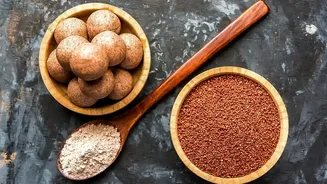
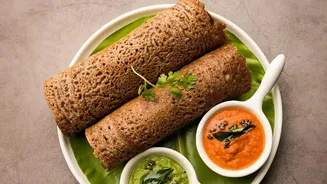
Ragi, or finger millet, is a traditional Indian grain celebrated for its dense nutritional profile. As a snack, puffed ragi offers a light, airy crunch. Its primary advantage is its exceptional calcium content, which is significantly higher than most other cereals and crucial for bone health. Ragi is also a rich source of iron and protein. Being naturally gluten-free, it's an excellent option for individuals with gluten intolerance or celiac disease. Furthermore, ragi has a lower glycemic index, meaning it releases sugar into the bloodstream more slowly, which is beneficial for managing blood sugar levels. However, like popcorn, the healthiness of puffed ragi snacks depends on how they are made. Many commercially available ragi puffs can be high in sodium and fried in oil, diminishing their nutritional benefits.
The Verdict: Which is Better?
There is no single winner, as the 'better' snack depends on your health goals. If you are looking for a low_calorie, high_volume snack to help with weight management, air_popped popcorn is an excellent choice. If your focus is on increasing your intake of essential minerals like calcium and iron, or if you need a gluten_free option, puffed ragi is nutritionally superior. The most important factor for both is to choose versions that are roasted or air_puffed rather than fried, and to be mindful of added salt, sugar, and fat. Reading the ingredients list on packaged snacks is crucial.
Beyond Popcorn and Ragi: Other Healthy Choices
The world of whole_grain snacks extends far beyond these two options. Exploring other traditional Indian choices can add variety and nutrition to your diet. Roasted makhana (fox nuts) are low in calories and rich in nutrients. Puffs made from other millets like jowar (sorghum) offer similar benefits to ragi, providing fibre and sustained energy. Whole_wheat khakhra, when roasted instead of fried, can be a satisfyingly crunchy snack. Even items like baked chivda (flattened rice mix) or roasted chana (chickpeas) deliver a great combination of fibre and protein without the empty calories of many processed snacks.