








Beyond 'Killer Robots'
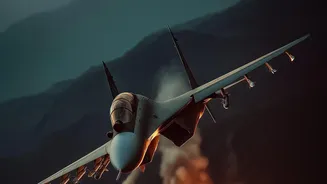
When people hear about AI in defence, the image that often comes to mind is a 'killer robot' from science fiction. The reality is both broader and more subtle. Artificial intelligence is being integrated across a wide spectrum of military operations,
from logistics and predictive maintenance to intelligence analysis, surveillance, and cyber warfare. The most contentious area, however, involves Lethal Autonomous Weapons Systems (LAWS). These are weapons that can independently search for, identify, track, and kill human targets without direct human intervention. The UN's push for a treaty is not just about these fully autonomous systems but also about the increasing automation of critical functions that shrinks the role of human judgment in life-and-death decisions.
The Core Risks Driving the Debate
Several profound risks are prompting the UN's call for regulation. A primary concern is the risk of unintended escalation. Algorithmic warfare could operate at speeds that far exceed human comprehension, potentially leading to catastrophic miscalculations in a crisis. Another key issue is the 'accountability gap'. If an autonomous weapon makes a mistake and kills civilians, who is responsible? The programmer, the commander who deployed it, or the machine itself? This lack of clear legal and moral responsibility undermines international humanitarian law. UN officials have repeatedly warned that allowing machines to make complex ethical decisions on the battlefield crosses a 'moral red line'.
The Call for 'Meaningful Human Control'
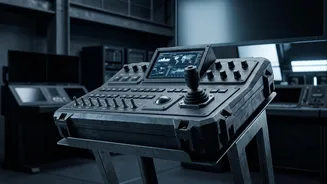
At the heart of the UN-led discussions is the concept of 'meaningful human control'. Proponents of a treaty argue that any use of force must be governed by human intent and judgment. A legally binding treaty would likely seek to prohibit systems that operate without this crucial element of control. However, defining 'meaningful human control' is a major diplomatic challenge. Does it mean a human must be 'in the loop', actively approving every lethal action? Or is it enough to be 'on the loop', able to intervene if necessary? This definitional debate has been a stumbling block in talks at forums like the Convention on Certain Conventional Weapons (CCW), the primary venue for these discussions.
A Divided World
The international community is split on the issue. A large coalition of smaller states, supported by humanitarian organizations like the International Committee of the Red Cross (ICRC) and the 'Stop Killer Robots' campaign, are pushing for a pre-emptive ban. However, the major military powers, including the United States, Russia, and China, have been hesitant to support a legally binding treaty that could limit their technological development. These nations are investing billions in military AI, viewing it as essential to future defence capabilities. This geopolitical tension is the primary obstacle to achieving consensus, as the CCW and other UN bodies operate on a consensus basis, meaning a single nation can block progress.
The Urgency of Now
Despite the roadblocks, there is a growing consensus that the time to act is now. Recent UN initiatives, including a new forum launched by the UN Institute for Disarmament Research (UNIDIR), aim to bring all stakeholders together—including states, private tech companies, and civil society—to establish norms of behaviour. UN Secretary-General António Guterres has repeatedly highlighted the urgency, warning that the world is 'dangerously close' to a reality where machines autonomously target humans. The fear is that without rules, the technology will rapidly outpace humanity's ability to control it, creating a world where opaque algorithms could govern war and peace.