





Why Monsoon is a High-Risk Season
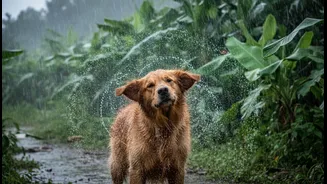
The Indian monsoon, with its high humidity and persistent dampness, creates a perfect storm for pet health issues. While we enjoy the cooler weather, the environment becomes a breeding ground for bacteria, fungi, and parasites like ticks and fleas. This
combination of moisture and warmth significantly increases the risk of skin, ear, and paw infections that can cause your dog significant discomfort. A damp coat, wet paws after every short walk, and a constantly humid house are the exact conditions that allow these problems to develop and thrive, often out of sight. Veterinarians report a sharp increase in such cases every year during the rains.
The Hidden Danger in Their Ears
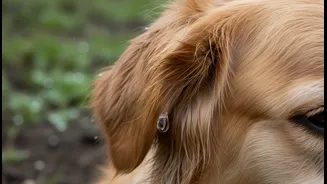
A dog's ear canal is a warm, enclosed space, and the structure of many breeds, especially those with floppy ears, limits airflow. During the monsoon, this becomes a major problem. Trapped moisture from rain, puddles, or even just the high humidity creates an ideal environment for yeast and bacteria to multiply. Yeast naturally lives on a dog's skin, but when the conditions are right, it can overgrow, leading to a painful infection. The constant dampness can also mask the early signs. A musty odour from the ears is often the first clue, which can be mistaken for a general “wet dog” smell. Head shaking or scratching might be dismissed as a normal reaction to getting wet, but it's often one of the earliest indicators of a brewing infection.
When Paws Suffer in Silence
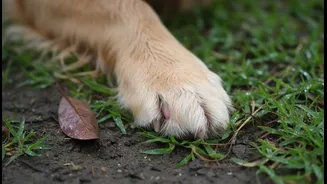
Your dog's paws are in constant contact with wet, muddy, and potentially contaminated surfaces during the monsoon. The skin between the paw pads stays warm and damp, especially in long-haired breeds, making it a prime spot for fungal and bacterial infections. Persistent licking is one of the most common early symptoms, but owners often mistake it for a self-grooming habit or boredom. However, sustained licking usually signals irritation. Redness, swelling, or a foul odour are more definitive signs, but by the time they appear, the infection is often already established. Rainwater in puddles can also contain harmful bacteria, including those that cause leptospirosis, making clean paws not just about hygiene but about overall health.
Subtle Signs You Shouldn't Ignore
Because the weather itself provides an easy excuse for many symptoms, pet owners need to be extra vigilant. What looks like a reaction to rain could be a sign of pain. Pay close attention to subtle shifts in behaviour. An increase in head shaking, rubbing the face on furniture, or resistance to being touched near the head can all point to ear discomfort. For paws, watch for obsessive licking or chewing, especially focused on one spot. Other subtle signs include a reluctance to walk, limping, or a musty or cheesy odour coming from the ears or paws that doesn't go away after drying.
Your Monsoon Pet Care Checklist
Prevention is the best strategy during the rainy season. First, dry your dog thoroughly after every single walk, even if they don't seem very wet. Use a clean towel and pay special attention to their belly, armpits, ears, and especially the spaces between their toes. For thick-coated breeds, a pet-friendly hairdryer on a low, cool setting can be helpful. Always clean and dry their paws after they come inside. Make regular ear checks part of your routine; look for redness or discharge and ask your vet about a gentle cleaning solution. Keep their bedding clean and dry, washing it frequently to prevent fungal growth. Finally, ensure their tick and flea prevention is up to date, as these parasites thrive in humid conditions.