





Why the Monsoon is a Threat
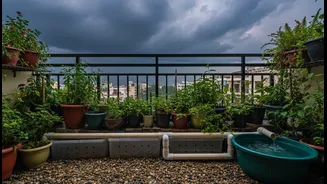
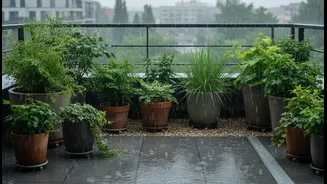
Root rot is a condition where a plant's roots begin to decay, primarily due to a lack of oxygen in waterlogged soil. While overwatering is a common cause year-round, the continuous downpours of the monsoon season create the perfect storm for this problem,
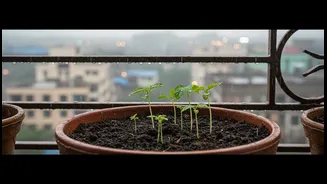
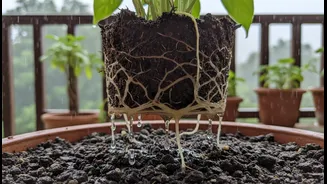
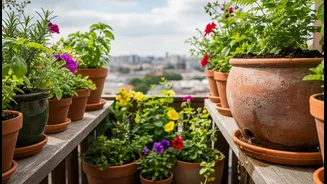
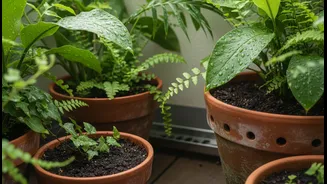
especially in container gardens. Unlike plants in the ground, balcony plants are in a closed system. When rain is constant, the soil in pots can become saturated, pushing out essential air pockets. Without oxygen, roots become weak and vulnerable to soil-borne fungi and other pathogens that thrive in wet conditions. Healthy roots are typically firm and white or light-coloured; rotting roots turn brown or black, feel soft and mushy, and can sometimes emit a foul odour. Above ground, the signs can be confusingly similar to underwatering—yellowing leaves, wilting, and stunted growth—because the damaged roots can no longer absorb water and nutrients effectively.
Assess Your Current Drainage
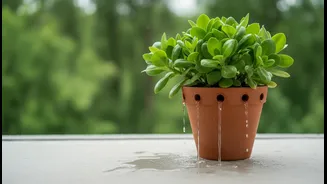
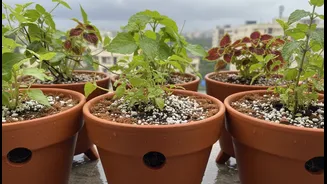
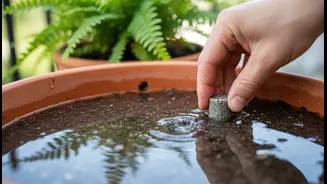
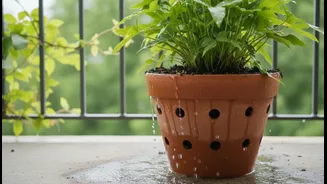
Before making changes, take a moment to evaluate your current setup. The first and most critical element is the pot itself. Does every container have at least one drainage hole at the bottom? This is non-negotiable for plant health. If you're using decorative pots without holes, you must either drill them or use them as a cachepot (a decorative outer pot) with a functional, draining pot inside. Next, examine the soil. Does it feel heavy and dense, like clay? Garden soil should never be used in containers because it compacts easily, blocking drainage and suffocating roots. Finally, check your watering habits. Are you watering on a fixed schedule, or are you checking the soil first? The classic finger test is your best friend: if the top inch or two of soil feels damp, hold off on watering, especially during a rainy spell.
Elevate Your Pots for Better Airflow
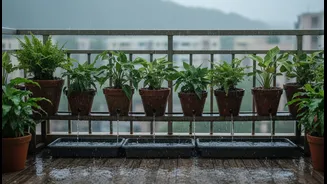
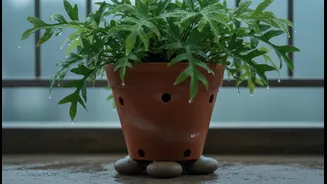
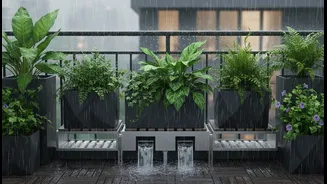
One of the simplest and most effective improvements you can make is to lift your pots off the ground. When a pot sits directly on the balcony floor, water can pool underneath, blocking the drainage hole and keeping the lower soil layers perpetually soggy. This is a common but often overlooked cause of root rot. By placing your containers on pot feet, bricks, or small stands, you create an air gap. This space allows excess water to drain away freely and promotes air circulation around the base of the pot, helping the soil to dry out more evenly between waterings. This single, small adjustment can dramatically reduce the risk of waterlogging, even during periods of heavy and sustained rainfall.
Build a Better Foundation with the Right Mix
The soil you use is just as important as the pot it's in. For container gardening, you need a lightweight, well-aerating potting mix, not heavy garden soil. A good mix for balcony plants, especially during the monsoon, should balance moisture retention with excellent drainage. You can buy pre-made potting mixes, but creating your own is easy and allows for better customisation. A reliable DIY recipe involves three main components: a base for moisture retention, an element for aeration, and a source of nutrients. Combine coco coir (which holds moisture without becoming heavy) with perlite (a lightweight volcanic mineral that creates air pockets) and compost (for organic nutrients). A common ratio is two parts compost, two parts coco coir, and one part perlite. This blend ensures that even when it rains, the water can move through the soil and drain out efficiently, preventing the roots from sitting in a bog.
Rethink What Goes in the Bottom of the Pot
A long-standing gardening myth suggests adding a layer of gravel or broken pot shards to the bottom of a container to improve drainage. However, horticultural science has shown this can actually have the opposite effect. Instead of helping water drain, this coarse layer can cause water to collect in the soil just above it, creating a 'perched water table' and worsening the risk of root rot. The most important factor is a pot with an unobstructed hole and well-draining soil throughout. If you're concerned about large drainage holes letting soil escape, a simple piece of mesh or even a coffee filter placed over the hole before adding soil is a much better solution. It keeps the soil in without impeding the flow of water.