




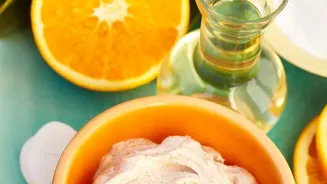
The Promise: An Instant Miracle in a Mask
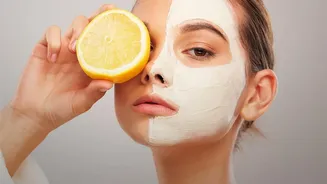
Scroll through any social media feed, and you will find countless videos hailing masoor dal face packs as the ultimate solution for everything from stubborn tans to acne, often promising a visible glow in a single use. These recipes, frequently mixing
ground lentils with milk, honey, or even lemon juice, are presented as a quick, cheap, and natural alternative to expensive treatments. The allure is undeniable: why spend thousands on serums when a pantry ingredient can deliver 'instant skin brightening' and a 'glass-skin' finish? This narrative taps into a growing desire for natural beauty solutions, but it often sets up unrealistic expectations that science simply does not support.
The Reality: What Masoor Dal Can Actually Do
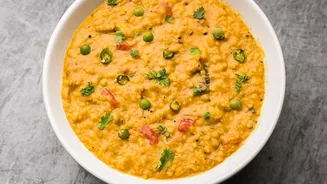
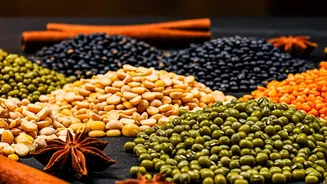
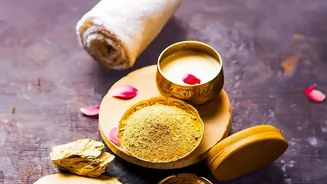
Masoor dal is indeed packed with skin-loving nutrients. It is rich in proteins, antioxidants, and essential minerals like iron, zinc, and magnesium, which nourish the skin. Its primary benefit comes from its texture. When ground, it acts as a gentle, natural exfoliant, helping to slough off dead skin cells from the surface. This process of removing the dull, outermost layer of skin is what leads to a brighter and smoother appearance over time. It can also help absorb excess oil, making it beneficial for those with oily skin types. Think of it less as a magic wand and more as a helpful buffing tool that reveals the healthier skin underneath with consistent effort.
Myth-Busting: The 'Instant Results' Fallacy
The truth is, no skincare ingredient, natural or chemical, can permanently change your skin in 20 minutes. Lasting changes, such as fading dark spots or improving texture, are tied to the skin's natural renewal cycle, which takes approximately 28 days or longer. What many mistake for an 'instant result' from a DIY mask is usually a temporary effect. For example, as the mask dries, it can create a tightening sensation that feels like firmer skin. Similarly, the immediate brightness you might see is due to the removal of surface debris and a temporary boost in hydration from ingredients like milk or honey. These effects are fleeting and do not represent a fundamental change in your skin's health.
The Right Way: How to Use Masoor Dal Safely
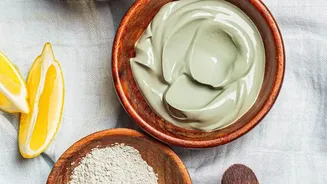
To get the real benefits of masoor dal without the risks, preparation is key. First, always do a patch test on a small area of skin to rule out any allergic reaction. It is best to use masoor dal that has been soaked and ground into a smooth paste to avoid a coarse powder that could cause micro-tears in the skin. Mixing it with soothing ingredients like raw milk, yoghurt, or rose water is generally safe and beneficial. However, dermatologists caution against adding highly acidic ingredients like lemon juice, which can cause irritation and increase sun sensitivity. And remember, a DIY mask should not be a daily affair; using it once or twice a week is sufficient to get the exfoliating benefits without stressing your skin barrier.
A Simple, Realistic Masoor Dal Mask Recipe
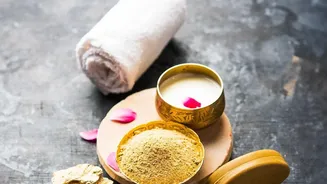
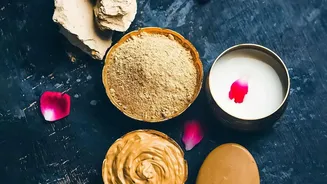
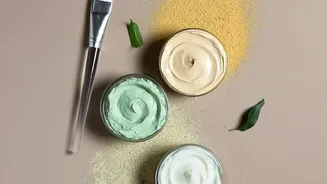
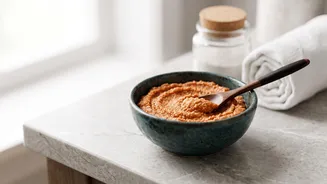
For a gentle and effective treatment, try this simple mask. Soak two tablespoons of masoor dal in water for at least an hour, then grind it into a fine, smooth paste. Mix this paste with two to three tablespoons of raw milk or plain yoghurt to form a spreadable consistency. Raw milk contains lactic acid for gentle exfoliation, while yoghurt is soothing. Apply an even layer to your cleansed face and neck, avoiding the delicate eye area. Let it sit for about 15 minutes, but do not let it dry completely, as this can pull moisture from your skin. Rinse it off with lukewarm water, using gentle circular motions to exfoliate. Pat your skin dry and immediately follow up with a good moisturiser to lock in hydration.