





As winter smog descends, the advice to stay indoors feels like common sense. But your home isn't automatically a safe haven. Outdoor pollutants seep in, mixing with indoor ones. Here’s how to turn your home into a genuine clean-air sanctuary.
Understanding the Indoor Threat
During winter,
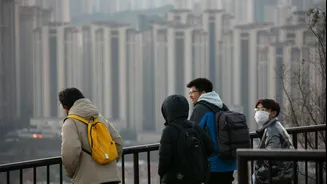
a phenomenon called temperature inversion traps pollutants close to the ground, leading to severe smog. This toxic outdoor air doesn't just stop at your doorstep. It actively infiltrates your home through countless tiny gaps around windows, doors, and exhaust vents. Inside, this outdoor pollution mixes with home-generated contaminants from cooking, cleaning products, and even incense sticks. The American Lung Association notes that indoor air can be two to five times more polluted than outdoor air, a problem that worsens in winter when homes are sealed up, trapping everything inside. This combination creates a harmful environment that can aggravate respiratory conditions, trigger allergies, and pose long-term health risks.
Your First Line of Defence: Seal and Secure
Before you invest in any gadgets, the most effective step is to seal your home. Polluted air is sneaky and will find its way through any opening. Focus on sealing gaps around window frames and doors using simple materials like weatherstripping tape or caulk. For a quick fix, even a rolled-up towel at the base of a leaky door can make a difference. The goal is to make your home as airtight as possible to reduce the constant inflow of outdoor pollutants. This single step does more to protect your indoor air quality than almost any other, by reducing the load on any filtration system you use.
Choosing and Using Air Purifiers Wisely
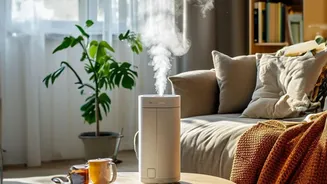
An air purifier is a powerful tool during smog season, but its effectiveness depends on the right type and proper usage. Look for a purifier with a True HEPA (High-Efficiency Particulate Air) filter, ideally H13 or H14 grade, which can capture 99.97% of tiny PM2.5 particles. An activated carbon filter is also crucial for removing harmful gases and volatile organic compounds (VOCs). Pay attention to the Clean Air Delivery Rate (CADR), which tells you how quickly the purifier cleans a room; a higher number is better. For best results, run the purifier continuously on a low or medium setting in the room you occupy most, keeping the doors closed. Place the unit away from walls and furniture to ensure 360-degree airflow. Remember to clean the pre-filter regularly and replace the main filters as recommended by the manufacturer.
Low Cost Habits for Cleaner Air
Beyond purifiers, simple daily habits can significantly improve your indoor environment. First, avoid adding to indoor pollution. This means no burning of incense or candles and ensuring your kitchen is well ventilated with an exhaust fan every time you cook. Second, change your cleaning routine. Instead of dry sweeping, which kicks settled dust back into the air, opt for wet mopping or use a vacuum with a HEPA filter. Third, be strategic with ventilation. While you want to keep windows shut during peak pollution, air can become stale. If you need to ventilate, do it for a short period in the early afternoon when smog levels are often at their lowest for the day.
A Note on Indoor Plants
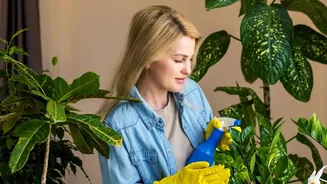
Many people believe that houseplants are a natural solution to air pollution. While it's true that plants like snake plants, areca palms, and peace lilies can filter some toxins from the air, their impact is minimal during a severe smog event. The volume of air they can clean is tiny compared to the amount of pollution seeping into a home. Think of them as a welcome, but very minor, supplement to a robust strategy of sealing, filtering, and reducing indoor pollution sources. Enjoy your plants for their beauty and the touch of nature they bring, but do not rely on them as your primary defence against heavy smog.
< /div >