




The Most Direct Hit: Your Fuel Bill
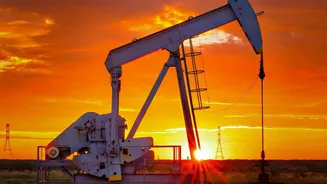
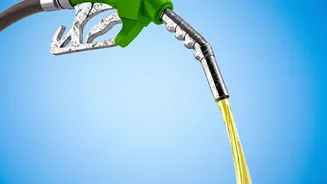
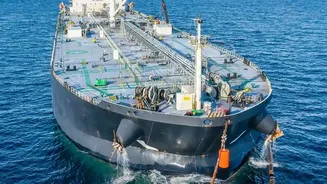
The most obvious impact of changing crude oil prices is felt right at the petrol pump. Since India imports over 85% of its crude oil, international price movements have a direct bearing on the cost of petrol and diesel. However, the price you pay is not
just the cost of crude. It’s a complex calculation involving the price of raw crude oil, refining charges, freight costs, margins for oil marketing companies, and, significantly, central and state taxes. This is why even when global crude prices fall, consumers may not see an immediate or proportional drop in retail fuel prices, as taxes and other factors play a large role.
The Ripple Effect on the Roads
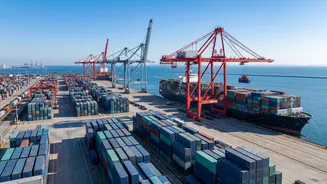
The impact of oil prices extends far beyond your personal vehicle. Diesel is the lifeblood of India's logistics sector, powering the trucks that move the vast majority of goods across the country. Fuel can account for up to 45% of a transport operator's total running costs. When diesel prices rise, transporters are forced to increase their freight rates, often by applying fuel surcharges. This makes it more expensive to transport everything from fresh produce and packaged foods to electronics and construction materials, a cost that is inevitably passed down the supply chain.
From Farm to Fork: Pricier Groceries
That increased transportation cost directly translates to a higher bill at the grocery store. The journey of food from the farm to your dining table is heavily reliant on diesel. It fuels the tractors used for farming, the pumps for irrigation, and the trucks that carry produce to markets. When freight charges go up, the cost of bringing vegetables, fruits, dairy, and other essentials to retailers increases. This is a key reason why rising fuel prices often lead to broader food inflation, squeezing household budgets even further.
The Cost of Taking Flight
Just as petrol and diesel are refined from crude oil, so is Aviation Turbine Fuel (ATF), which is one of the single largest expenses for any airline. When crude oil prices surge, the cost of ATF follows, putting pressure on airlines' operating margins. While ticket prices may not rise overnight—as many airlines hedge, or pre-purchase fuel, to lock in prices—a sustained period of high oil costs will eventually lead to higher airfares. This effect is often more pronounced on long-haul international flights, where fuel makes up a larger percentage of the ticket price.
The Hidden Costs in Everyday Items
The influence of oil doesn't stop with transport. Crude oil derivatives are essential raw materials in a vast array of manufactured goods. Petroleum-based products are used to make plastics, paints, fertilisers, tyres, and chemicals. When oil prices rise, the input costs for these industries go up, leading to higher prices for a wide range of consumer goods. Furthermore, energy-intensive industries feel the pinch through higher operational costs, a burden that is often transferred to the end consumer.
The Big Picture: Inflation and Your Savings
Ultimately, the widespread impact of rising oil prices contributes to overall inflation in the economy. When transportation, food, and manufacturing all become more expensive simultaneously, it leads to a general increase in the price level, as measured by the Consumer Price Index (CPI). This inflation acts as a silent tax, eroding the purchasing power of your money. A sustained rise of just $10 in the price of a barrel of oil can have a measurable impact, slowing down India's GDP growth and making it harder for your savings to grow in real terms.