




The Vegetarian Protein Puzzle
The myth that you can't build serious muscle on a vegetarian diet is persistent, but it's just that—a myth. The real challenge isn't a lack of protein sources, but a lack of strategy. Building muscle requires a consistent supply of protein, which is made
up of building blocks called amino acids. There are nine essential amino acids that our bodies can't produce, so we must get them from food. While animal products typically contain all nine, making them 'complete' proteins, most plant-based foods are 'incomplete', meaning they are low in one or more of these essential amino acids. This is where smart food combining becomes a game-changer for anyone on a plant-forward diet.
Your Power Trio: A Closer Look
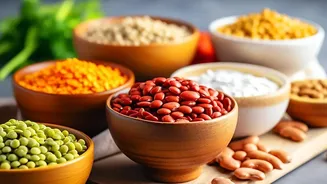
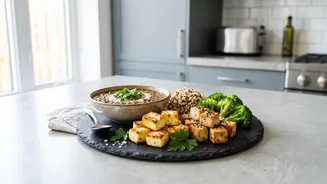
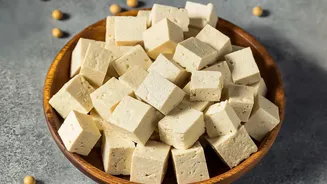
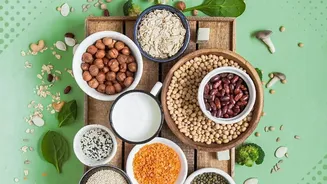
Lentils, paneer, and tofu are mainstays in many Indian households, and for good reason. Each brings something unique to the table for muscle building. Lentils (Dal): A fantastic source of plant-based protein, cooked lentils provide around 9 grams of protein per 100g. They are also rich in fibre, which aids digestion and provides sustained energy. Paneer: This fresh cheese is a protein heavyweight, offering about 18-20 grams per 100g serving. It's particularly rich in casein, a slow-digesting protein that provides a steady release of amino acids, making it excellent for muscle repair over several hours. Tofu: Made from soybeans, firm tofu is a versatile plant-based powerhouse. Soy is one of the few plant foods that is considered a complete protein, containing all nine essential amino acids. A 100g serving of firm tofu provides about 10-17g of protein, making it a brilliant addition to any meal.
The Science of Smart Combination
The magic of this trio isn't just in their individual protein counts; it's in how they complement each other. This is a concept known as protein complementation. Lentils, like many legumes, are typically lower in the essential amino acid methionine, which grains and dairy products contain in higher amounts. By pairing lentils with paneer (a dairy product), you effectively fill in the amino acid gaps, creating a complete protein profile that your body can use to build and repair muscle tissue efficiently. Adding tofu into the mix further boosts the quality and quantity of the protein. Since tofu is already a complete protein, it enhances any meal, ensuring your body gets the full spectrum of building blocks it needs. This combination ensures your muscles are never short on the materials required for growth.
Why This Method is 'Fast' and Efficient
The headline's promise to 'build muscle fast' isn't about overnight results, but about metabolic efficiency. When you combine these three foods, you're not just getting a high quantity of protein; you're also getting a mix of fast- and slow-digesting proteins. Tofu and the whey component in paneer are digested relatively quickly, providing an immediate supply of amino acids to your muscles, which is especially useful after a workout. Meanwhile, the casein in paneer and the fibre in lentils slow down digestion, ensuring a sustained release of amino acids for hours afterward. This constant supply helps keep your body in a muscle-building (anabolic) state for longer, reducing muscle breakdown and optimising recovery. This efficient, round-the-clock nutrient delivery is what accelerates progress.
Putting It on Your Plate: Meal Ideas
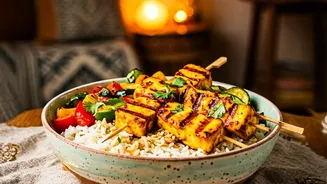
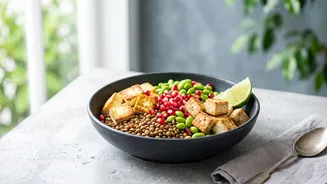
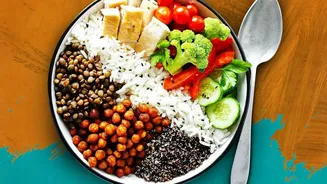
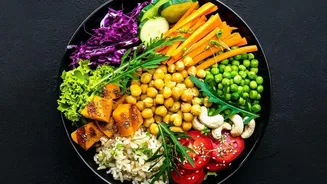
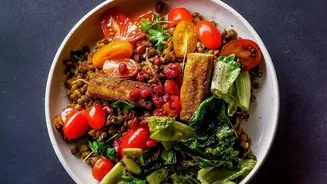
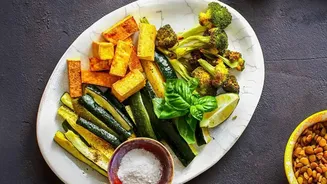
Integrating this protein trio into your diet is simple and delicious. You don't need to eat all three in every single meal, but rather aim to combine them throughout your day. Breakfast: Start your day with a paneer bhurji (scrambled paneer) with a side of sprouted moong dal salad. Lunch: A hearty dal curry with chunks of firm tofu, eaten with roti or brown rice, makes for a balanced and protein-packed meal. A side of cubed raw paneer can also be added. Dinner: Consider a mixed-vegetable stir-fry with both paneer and tofu cubes. Pair it with a bowl of lentil soup (dal) to round out your protein intake for the day. Snack: Roasted chickpeas, a handful of nuts, or a bowl of Greek yogurt are also great ways to supplement your protein between meals.