







The Science Behind Plant Protein and Blood Pressure
Recent scientific studies have drawn a compelling link between the consumption of plant-based proteins and a reduced risk of developing hypertension, or high blood pressure. A notable study published in the Journal of the American Heart Association found
that individuals who consumed more plant-based proteins had a lower risk for hypertension. Specifically, for every 20 grams of plant protein eaten per day, the risk of developing high blood pressure decreased by 16% compared to those with the lowest intake. The research also highlighted that animal protein intake did not show a strong link to hypertension risk, suggesting the benefit is specific to plant sources. This growing body of evidence supports the idea that dietary patterns rich in plant foods are beneficial for blood pressure management.
Why Plants May Be Better for Your Arteries
The benefits of plant proteins seem to stem from a combination of factors. Unlike many animal protein sources, plant-based foods are naturally free of cholesterol and contain lower levels of saturated fat, both of which can contribute to heart issues. They are also packed with fibre, which aids in weight management and feeds healthy gut bacteria, producing compounds that can help lower blood pressure. Furthermore, plant foods deliver a wealth of micronutrients and compounds like potassium, magnesium, and phytochemicals. Potassium helps the body manage sodium levels, while specific amino acids found in plants, like L-arginine, are precursors to nitric oxide, a molecule that helps relax and dilate blood vessels, promoting better blood flow.
Not All Plant Proteins Are Created Equal
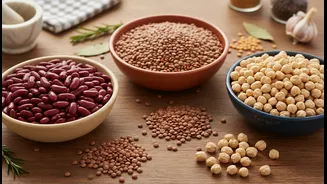
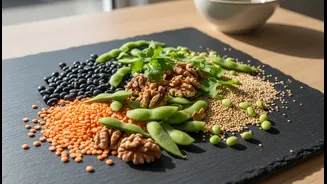
The research makes an important distinction: the source of the plant protein matters. The most significant benefits are associated with minimally processed, whole-food sources. Think lentils, beans, chickpeas, nuts, and tofu. Conversely, some studies indicate that a diet high in a wide variety of plant proteins, which may include highly processed options like some meat alternatives, could potentially increase blood pressure risk. This is likely due to the high levels of sodium, unhealthy fats, and additives often found in these processed products. The key takeaway is to focus on incorporating whole or minimally processed plant foods into your diet rather than relying on heavily engineered substitutes.
Making the Switch: Easy Ways to Boost Plant Protein
Increasing your intake of plant protein doesn't require a complete dietary overhaul. For many in India, these ingredients are already staples. The goal is to make them a more central part of your meals. Start by designating one or two days a week as meat-free. Incorporate a variety of dals, from masoor to toor, into your weekly rotation. Use chickpeas (chana) and kidney beans (rajma) in curries and salads. Snacking on a handful of almonds or walnuts is another easy way to boost intake. Swapping regular paneer for tofu in a dish is a simple substitution. Even small changes, like replacing a portion of animal protein with plant protein, can contribute to better heart health over time. Research suggests a 'sweet spot' of around 170g of legumes per day for a significant benefit.
A Balanced and Sustainable Approach
The evidence does not suggest that animal protein is inherently bad for blood pressure, but rather that increasing plant protein provides a distinct advantage. A balanced diet that includes lean animal proteins alongside a rich variety of plant sources can be a healthy approach. The focus should be on the overall dietary pattern: one that is rich in whole grains, fruits, vegetables, and diverse protein sources, particularly from plants. This approach not only supports healthy blood pressure but also offers broader benefits for weight management, reduced inflammation, and overall cardiovascular health. By making mindful choices to prioritize plants on your plate, you are taking a proactive step toward long-term wellness.