

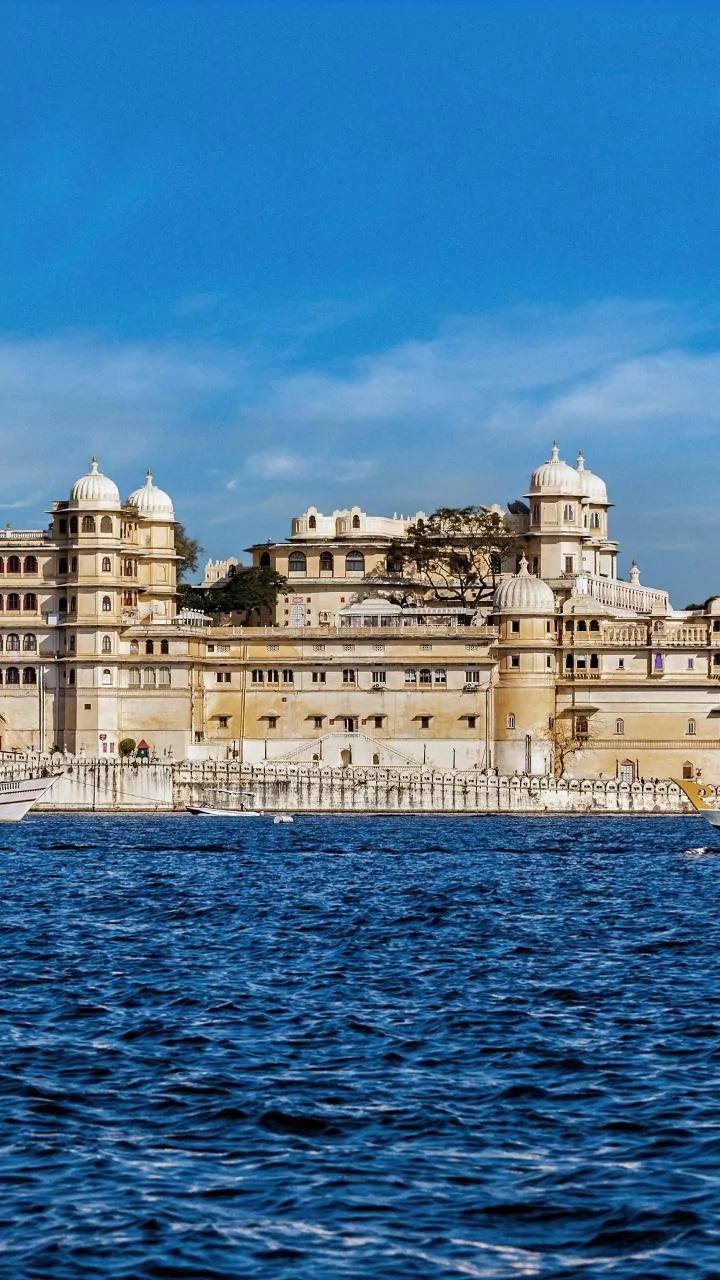







Redefining the Weekend Getaway
A micro-trip isn't just a shorter vacation; it's a different philosophy. Typically lasting one to three days, its primary goal is not sightseeing, but genuine rest and recovery. Unlike traditional holidays with packed itineraries, a micro-trip is intentionally
simple. It’s about creating psychological and physical distance from your daily routine without the stress of complex planning or long journeys. Research suggests the mental benefits of a vacation can fade quickly, making frequent, smaller breaks a more effective strategy for maintaining well-being than one long annual holiday. This approach allows for regular recharging, helping to prevent burnout and making travel feel like an integrated part of a balanced lifestyle rather than a rare, elaborate event.
The Golden Rule of Proximity
The core principle that makes a micro-trip successful is the one right in the headline: transit should not consume the weekend. A long and stressful journey can induce 'travel fatigue', a distinct exhaustion caused by the stressors of travel itself, which can negate the restorative purpose of the trip. To avoid this, a good rule of thumb is to choose a destination that is no more than a two to three-hour drive away. This ensures that your travel time is just a small fraction of your break, allowing you to settle in and start relaxing almost immediately. Sticking close to home minimizes logistical headaches and makes the entire experience feel more manageable and less rushed, which is the key to a truly restful escape.
How to Plan for Maximum Rest
The key to a relaxing micro-trip lies in intentional, but not overly rigid, planning. Start by choosing a destination that promotes calm, such as a quiet homestay, a wellness retreat, or a boutique hotel just outside the city. Booking accommodation in the heart of your chosen area can also reduce transit time once you've arrived. The most important step is to resist the urge to over-schedule. Pick one or two main activities—a scenic walk, a long lunch, a visit to a local market—and leave the rest of your time unscheduled. This flexibility is crucial; it creates space for spontaneity and allows you to do what you feel like in the moment, whether that's taking a nap or reading a book, without feeling guilty.
The Art of Doing Less
On a micro-trip, your main objective is to recharge, not to collect experiences for a checklist. This requires a mindset shift. Give yourself permission to do less. Instead of trying to see everything, focus on being present. This might mean turning off work email notifications or even muting social media apps to minimize digital distractions and a constant feeling of 'context switching' that fatigues the brain. True relaxation comes from disconnecting from the pressures of your daily life. By embracing a slower pace and focusing on simple pleasures—enjoying a quiet cup of tea, watching a sunset, or having an uninterrupted conversation—you allow your mind and body the space they need to genuinely recover from stress.
Finding Your Nearby Oasis
For residents of India's bustling metros, a restful micro-trip is more accessible than you might think. From Delhi, short drives can lead you to the foothills of the Himalayas in places like Kasauli or to heritage properties in Rajasthan. Mumbaikars can find quick escapes in the green hills of Lonavala or the coastal calm of Alibaug. From Bengaluru, the coffee plantations of Coorg and Chikmagalur or the serene landscapes of Wayanad are just a few hours away. The key is to look beyond the famous, crowded destinations and seek out quieter spots. Explore nearby wildlife sanctuaries, heritage towns, or riverside resorts. Often, the most restorative places are the ones that offer peace and quiet, not a long list of tourist attractions.