







The Scale of the Challenge
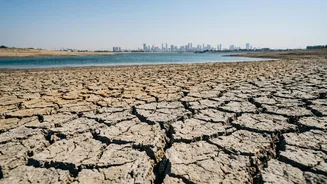
Recent data from the Central Water Commission (CWC) is cause for concern. As of late September 2026, storage in 178 of India's key reservoirs stood at just 70% of total capacity. This is significantly below both last year's level of 79% and the decade-long
average of 76.6%. The situation is particularly acute in southern India, where reservoirs are at a mere 50% capacity, a drastic drop from 87% the previous year, following a monsoon with a 23% rainfall deficit in the region. This shortfall, linked to a weaker monsoon that delivered 12% less rain than normal nationwide, has direct implications for drinking water supplies, agriculture, and power generation in the dry months ahead.
Why Urban Taps Are at Risk
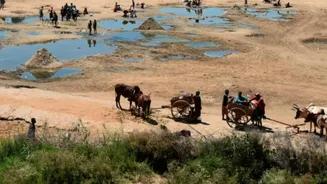
While falling reservoir levels are a national issue, India's cities are on the frontline of the crisis. Rapid and often unplanned urbanisation puts immense pressure on existing water sources. Over-extraction of groundwater has led to a steep decline in water tables, a problem seen in major hubs like Delhi and Bengaluru. Many urban water bodies like lakes and ponds, which once acted as natural buffers, have been encroached upon or polluted, reducing their capacity to hold water. Furthermore, aging and leaky pipe infrastructure means a significant amount of water—sometimes estimated at nearly 30%—is lost before it even reaches consumers, a problem referred to as 'non-revenue water'. This combination of high demand, dwindling local sources, and inefficient distribution creates a perfect storm for urban water shortages.
Harnessing Every Drop: Rainwater Harvesting
One of the most effective and decentralised solutions is rainwater harvesting (RWH). The concept is simple: catch the rain where it falls. This can be done at the individual household level by directing rooftop runoff into storage tanks for daily use or into recharge pits to replenish groundwater. Many states have made RWH mandatory for new buildings. Tamil Nadu pioneered this by making it compulsory for all buildings, and states like Delhi, Rajasthan, and Maharashtra have similar rules for plots of certain sizes. National initiatives like the 'Jal Shakti Abhiyan: Catch the Rain' campaign further promote this by encouraging the creation of RWH structures with community participation. For cities, this strategy reduces dependence on municipal supply, mitigates urban flooding, and helps stabilise local groundwater levels.
From Waste to Resource: Water Recycling
Indian cities generate enormous volumes of wastewater, but currently treat only a fraction of it—around 28% of the total sewage generated. The vast majority is discharged untreated into rivers and lakes, causing pollution. Treating this wastewater creates a new, reliable water source. While not intended for drinking, recycled water is perfectly suitable for industrial use, construction, flushing, and maintaining green spaces. Cities like Chennai are already leading the way, with tertiary treatment plants that recycle a significant portion of the city's sewage to supply industries, thereby saving freshwater. Government missions like AMRUT 2.0 and Swachh Bharat Mission 2.0 now mandate the reuse of treated wastewater, aiming for cities to meet 20% of their water demand through recycling.
Smarter Governance and Infrastructure
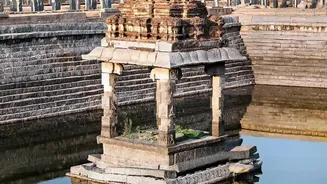
Beyond individual solutions, systemic changes in urban water governance are critical. This involves a shift from simply finding new water sources to better managing what we already have. Fixing leaks in the vast network of pipes can save millions of litres daily. The Atal Mission for Rejuvenation and Urban Transformation (AMRUT 2.0) is funding thousands of projects to improve water supply infrastructure and reduce losses. Reviving traditional urban water bodies like lakes and step-wells, as Mumbai is attempting to do, creates local storage and recharge zones. Implementing smart water meters can help track consumption, identify leaks faster, and encourage citizens to use water more judiciously. These top-down infrastructure upgrades, combined with policy changes, are essential for building long-term water security.
The Citizen's Role in a Water-Secure Future
Ultimately, government policies and large-scale projects can only succeed with active citizen participation. Simple changes in daily habits—fixing leaky taps at home, avoiding water wastage, and using water-efficient appliances—collectively make a huge difference. Resident Welfare Associations (RWAs) can play a powerful role by conducting water audits in their colonies, promoting conservation practices, and ensuring the maintenance of community rainwater harvesting systems. Increased public awareness is the foundation of a cultural shift towards valuing water not as an infinite resource, but as a precious commodity that every citizen has a responsibility to conserve. This collective consciousness is perhaps the most vital component in preparing our cities for the water stress that lies ahead.