


Vehicle Health is Non-Negotiable
Before you even think about playlists, your car needs a thorough check-up. Driving in the ghats during monsoon puts immense stress on your vehicle. Your primary focus should be on four key areas. First, check your tyres for adequate tread depth to grip
slippery roads. Worn-out tyres significantly increase the risk of hydroplaning, where your car loses contact with the road surface. Second, inspect your brakes. Steep descents require them to be in perfect working order. Third, test your wiper blades. A sudden downpour in the ghats can reduce visibility to almost zero, and old, streaky wipers are a major safety hazard. Finally, ensure all your lights—headlights, taillights, and fog lamps—are clean and functional for navigating through mist and heavy rain.
Smart Route Planning and Timing
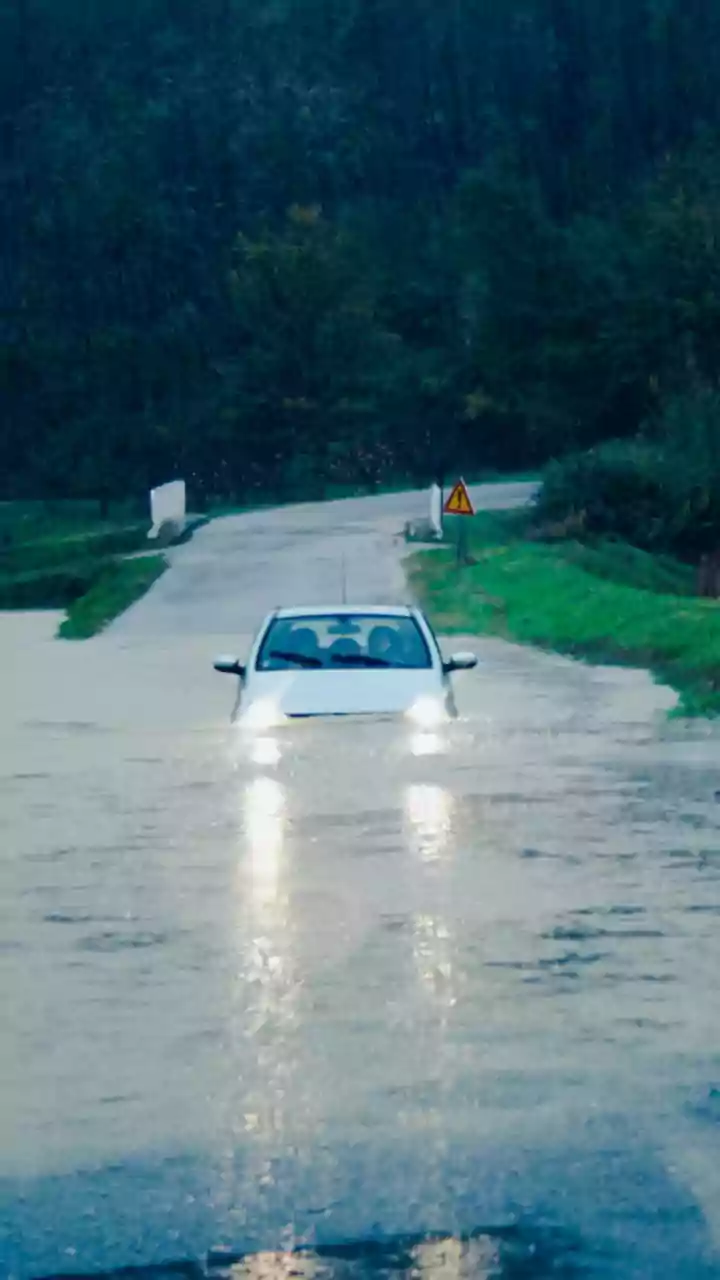
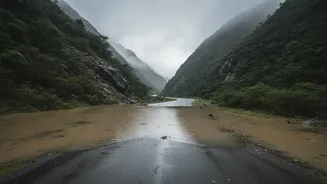
Spontaneity is great, but not when it comes to monsoon ghat trips. Monitor weather forecasts for your entire route, not just the destination. Heavy rainfall can trigger landslides and flash floods, especially in vulnerable areas like the Western Ghats or the Himalayas. Always have a Plan B route. Inform family or friends about your itinerary and estimated arrival times. Critically, avoid driving through the ghats at night during heavy rain. The combination of darkness, low visibility, and unfamiliar winding roads is a recipe for disaster. If a downpour becomes too intense, the safest option is to pull over to a secure spot, away from unstable slopes, and wait for it to subside.
Ghat-Specific Driving Techniques
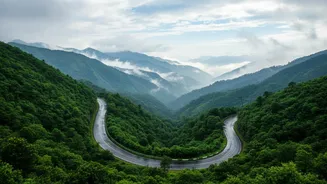
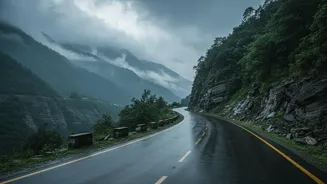
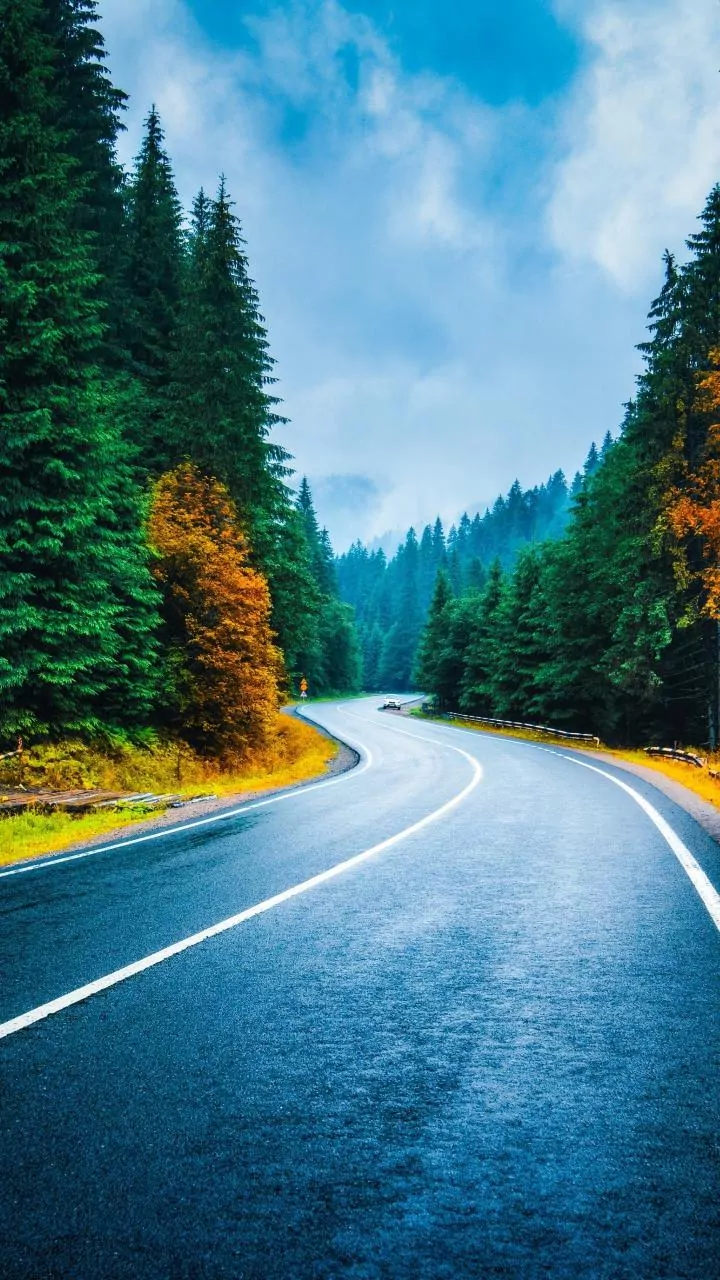
Driving on flat, rain-slicked highways is different from navigating mountain roads. In the ghats, reduce your speed significantly and maintain a greater distance from the vehicle ahead. When ascending steep inclines, use a lower gear to prevent the engine from struggling. On descents, also use a lower gear (engine braking) to control your speed, which reduces the strain on your brakes and prevents them from overheating. Never use cruise control on wet or winding roads, as you need full control to react to sudden hazards. If your car begins to hydroplane or skid, ease off the accelerator and steer in the direction you want to go. Avoid slamming on the brakes.
The Overnight Stay: Safety First
Choosing where to stay overnight is a critical safety decision. Book your accommodation in advance, especially during long weekends when tourist spots are crowded. Research the location of your hotel or homestay. Ensure it's not situated in an area with a history of landslides or flash floods. Check reviews or call the property to ask about their preparedness for monsoon-related issues like power cuts. Upon arrival, do a quick check of your room for any signs of dampness or leaks that could make your stay uncomfortable. A secure parking spot for your car is also a must.
Pack an Emergency Monsoon Kit
While you pack your quick-dry clothes and waterproof footwear, dedicate a separate bag for emergencies. Your kit should contain a powerful torch or flashlight, a fully charged power bank, and a basic first-aid kit with antiseptic, bandages, and essential medicines for fever, pain, and motion sickness. Pack extra food and water in case you get stranded due to a road closure. An umbrella, a waterproof cover for your backpack, and a few zip-lock bags to protect electronics and documents are also indispensable. It’s also wise to download offline maps of your route, as mobile connectivity can be unreliable in remote ghat sections.