




Harness the Power of Vegetables
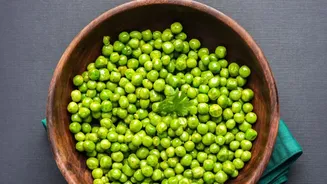
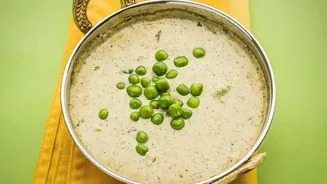
As the headline suggests, one of the most effective and nutritious ways to add body to a curry is with a vegetable puree. Starchy vegetables like potatoes, sweet potatoes, pumpkin, or butternut squash work wonders. Simply boil or steam the vegetable until
it's very tender, then blend it into a smooth paste. You can use a bit of water or vegetable broth to get the right consistency. This puree can be stirred into your curry during the last 15-20 minutes of simmering. It not only thickens the sauce but also adds a subtle sweetness and a silky finish, all while boosting the dish's nutritional content.
The Magic of Nut and Seed Pastes
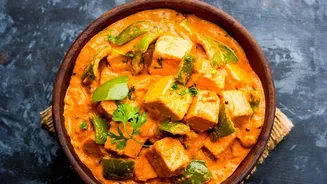
Nut pastes are a cornerstone of rich, dairy-free gravies in Indian cuisine. Cashews are the most popular choice for their neutral flavour and incredible creaminess. To make a cashew paste, simply soak raw cashews in hot water for at least 30 minutes, then drain and blend them with a little fresh water until you have a super-smooth, cream-like paste. This can be added towards the end of cooking to give dishes like a korma or butter chicken alternative a luxurious texture. For a different nutty profile, you can also use almonds or even white poppy seeds (khus khus), which are a traditional thickener in many regional Indian cuisines.
Go Classic with Coconut
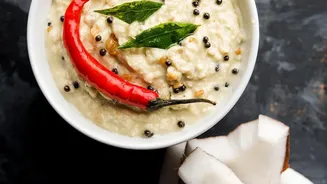
Coconut milk is a classic and beloved ingredient for creating creamy curries, especially in South Indian and coastal cooking. For the richest result, opt for full-fat canned coconut milk rather than the thinner beverage variety sold in cartons. The thick cream that rises to the top of the can is particularly potent. Adding coconut milk towards the end of the cooking process prevents it from splitting and ensures a smooth, velvety sauce with a delicate, sweet flavour that pairs beautifully with a wide range of spices. If you want an even more intense coconut flavour, using ground fresh or desiccated coconut paste is another fantastic option.
Lean on Lentils and Legumes
Lentils, especially red lentils (masoor dal), are excellent natural thickeners. When cooked, they break down and dissolve into the sauce, creating a thicker, heartier consistency. You can add a couple of tablespoons of rinsed red lentils to your curry along with the other liquids and let them simmer until they've softened completely. Another method is to puree cooked chickpeas or other beans and add the paste to your gravy. This not only adds body but also a significant boost of protein and fibre, making your meal even more satisfying and wholesome.
Create a Silken Tofu Cream
For a surprisingly effective and protein-rich option, consider silken tofu. Unlike firm tofu, the silken variety has a soft, custard-like texture that blends into a completely smooth and neutral-tasting cream. Simply place a block of silken tofu into a blender with a splash of water or unsweetened plant milk and blitz until it resembles thick yogurt. This can be stirred into your curry in the final few minutes of cooking, just as you would with dairy cream or yogurt. It seamlessly adds richness and a creamy mouthfeel without altering the authentic spice profile of your dish.
The Onion, Tomato, and Flour Base
The foundation of many Indian curries can itself be a source of creaminess. Slowly sautéing a large amount of finely chopped or pureed onions until they are deeply browned and caramelized creates a thick, slightly sweet base. Combining this with a rich tomato paste or puree builds a robust and naturally thick gravy. For an extra thickening boost, some recipes call for a slurry made from gram flour (besan). A tablespoon of gram flour can be lightly toasted and then mixed with water to form a paste before being added to the curry, lending a nutty flavour and helping to bind the sauce together.