



Hanle, Ladakh: India’s First Dark Sky Reserve
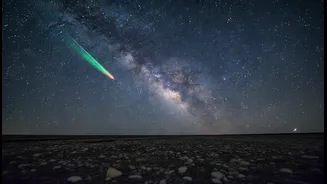
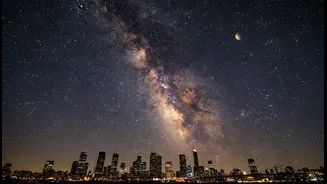
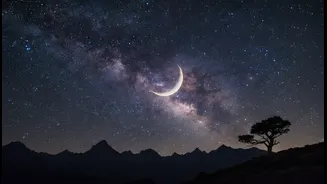
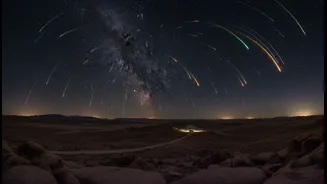
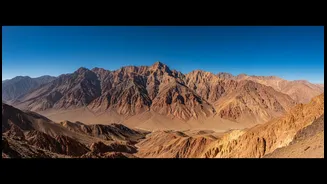
Nestled high in the Himalayas at an altitude of 4,500 metres, Hanle in Ladakh is a dream destination for stargazers. Officially recognised as India's first Dark Sky Reserve, this remote village offers some of the clearest and darkest skies on the planet.
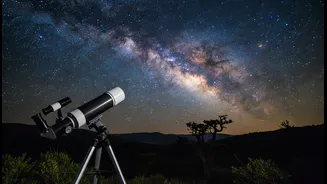
The high altitude and arid climate mean over 250 clear nights a year, making the Milky Way appear not as a faint smudge, but as a brilliant, textured river of light. The area is home to the Indian Astronomical Observatory, a testament to its world-class viewing conditions. Local communities are involved in promoting astro-tourism, offering guided sessions and stays in homestays that minimise light pollution, ensuring an authentic and awe-inspiring celestial experience.
Spiti Valley, Himachal Pradesh: A High-Altitude Desert Canvas
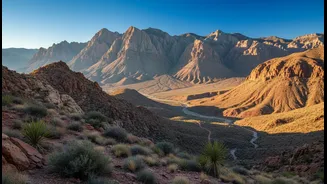
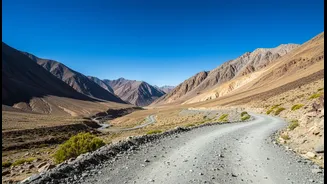
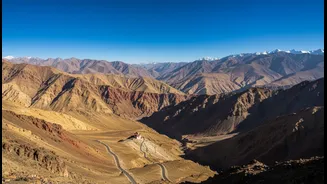
Spiti Valley is another Himalayan jewel for those chasing the stars. This cold desert region, with its remote villages like Kaza, Kibber, and Komic, boasts exceptionally dark skies thanks to its high elevation and sparse population. The lack of significant light pollution allows for naked-eye views of not just the Milky Way, but also distant galaxies and meteor showers. The stark, beautiful landscape of monasteries perched on rugged cliffs provides a dramatic foreground for astrophotography. The best time to visit for stargazing is between May and October, when the weather is clearer and the roads are more accessible.
Rann of Kutch, Gujarat: A Surreal Celestial Dome
Imagine seeing the cosmos reflected on a vast expanse of white salt. That is the surreal experience awaiting you at the Rann of Kutch. This immense salt desert offers an unobstructed 360-degree view of the horizon, making you feel as if you are inside a celestial dome. During the cooler winter months, especially around the time of the Rann Utsav, the skies are exceptionally clear. The landscape, far from major city lights, provides a unique and unforgettable setting to watch the Milky Way rise and arc across the sky.
Atacama Desert, Chile: The Driest Skies on Earth
For the ultimate stargazing adventure, the Atacama Desert in Chile is considered one of the best places in the world. Its unique combination of high altitude, bone-dry air (it's the driest non-polar desert on Earth), and near-total lack of light pollution creates near-perfect conditions for observing the night sky. The visibility is so good that it is home to some of the world's most powerful astronomical observatories. Here, the Southern Hemisphere’s constellations are on full display, and the Milky Way is so bright it can feel close enough to touch. Many local tour operators offer guided stargazing experiences, making this bucket-list destination accessible to all.
Aoraki Mackenzie, New Zealand: A Southern Hemisphere Treasure
Home to the largest dark sky reserve in the Southern Hemisphere, the Aoraki Mackenzie region in New Zealand is a protected paradise for stargazers. The reserve covers a massive 4,300 square kilometres, including Aoraki/Mount Cook National Park and the stunning glacial lakes of Tekapo and Pukaki. Strict lighting controls implemented decades ago have preserved the pristine quality of its night skies, which boast a level 2 on the Bortle Dark-Sky Scale, signifying a truly dark site. This dedication to preserving darkness allows for spectacular views of the Magellanic Clouds, satellite galaxies of our own Milky Way, set against the dramatic backdrop of the Southern Alps.