



The New Rules of Snacking
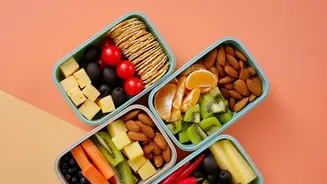
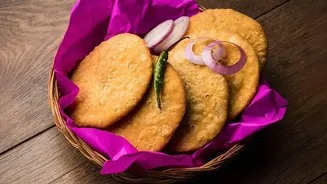
For generations, Indian snacking was synonymous with comforting, often fried, treats enjoyed with evening tea. But today, a fundamental shift is occurring, driven by rising health consciousness and a desire for convenience. The Indian healthy snacks market
is expanding rapidly, projected to grow at a compound annual growth rate (CAGR) of around 10%. This growth isn't just about swapping fried snacks for baked ones; it's a deeper change in consumer mindset. Urban Indians, particularly millennials and Gen Z, are more aware of lifestyle diseases and the role of nutrition in preventive health. They are actively seeking out snacks that do more than just satisfy a craving—they want functional benefits, and two keywords are leading this charge: protein and 'clean label'.
The Protein Power-Up
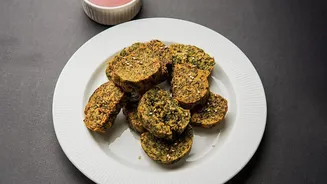
Protein has officially moved from the niche world of gym-goers to the mainstream Indian pantry. This shift is fuelled by a growing awareness of widespread protein deficiency and the role of the macronutrient in satiety, energy, and overall wellness. The demand for high-protein snacks is surging across the country, with products like protein bars, nut butters, Greek yoghurt, and even fortified traditional foods like makhana and roasted chana gaining immense popularity. Brands are responding by launching everything from protein chips to millet-based bars, catering to consumers who want their on-the-go snacks to double as a mini-meal that keeps them full and energised. The protein bar market in India alone is expected to see significant growth, reflecting its move from a post-workout recovery food to an everyday convenient snack.
Decoding the 'Clean Label' Movement
Alongside the protein boom is the rise of the 'clean label' movement. While there is no single legal definition, Indian consumers understand it to mean foods with short, recognizable ingredient lists, and no artificial additives, colours, or preservatives. Shoppers are turning packets over to read the fine print, and a simple label is increasingly seen as a sign of quality and trust. This demand for transparency is pushing brands to reformulate their products, removing complex chemical names and focusing on natural, minimally processed ingredients. Terms like “no palm oil,” “no added sugar,” and “no preservatives” have become powerful marketing tools that signal a healthier choice. This trend reflects a broader consumer skepticism towards heavily processed foods and a return to more traditional, wholesome ingredients.
How D2C Brands and Q-Commerce Ignited the Trend
This snacking revolution has been accelerated by the explosion of Direct-to-Consumer (D2C) brands and quick-commerce platforms. Startups have been able to bypass traditional retail channels, connecting directly with consumers online and telling their ingredient stories through social media. They have introduced innovative products like ragi chips and jackfruit crisps, catering to niche dietary needs like keto and vegan diets. Quick-commerce services have made these healthy snacks instantly accessible, transforming them from planned purchases into impulse buys. This digital ecosystem has allowed smaller, regional players to compete with established giants, making the snack aisle—both physical and virtual—more diverse and competitive than ever before.