






The Cardio Question: Which Burns More?
When it comes to burning calories, the answer isn’t straightforward; it hinges on intensity. A high-impact aerobics class with complex choreography can burn a significant number of calories, often comparable to or even more than a steady run. Similarly,
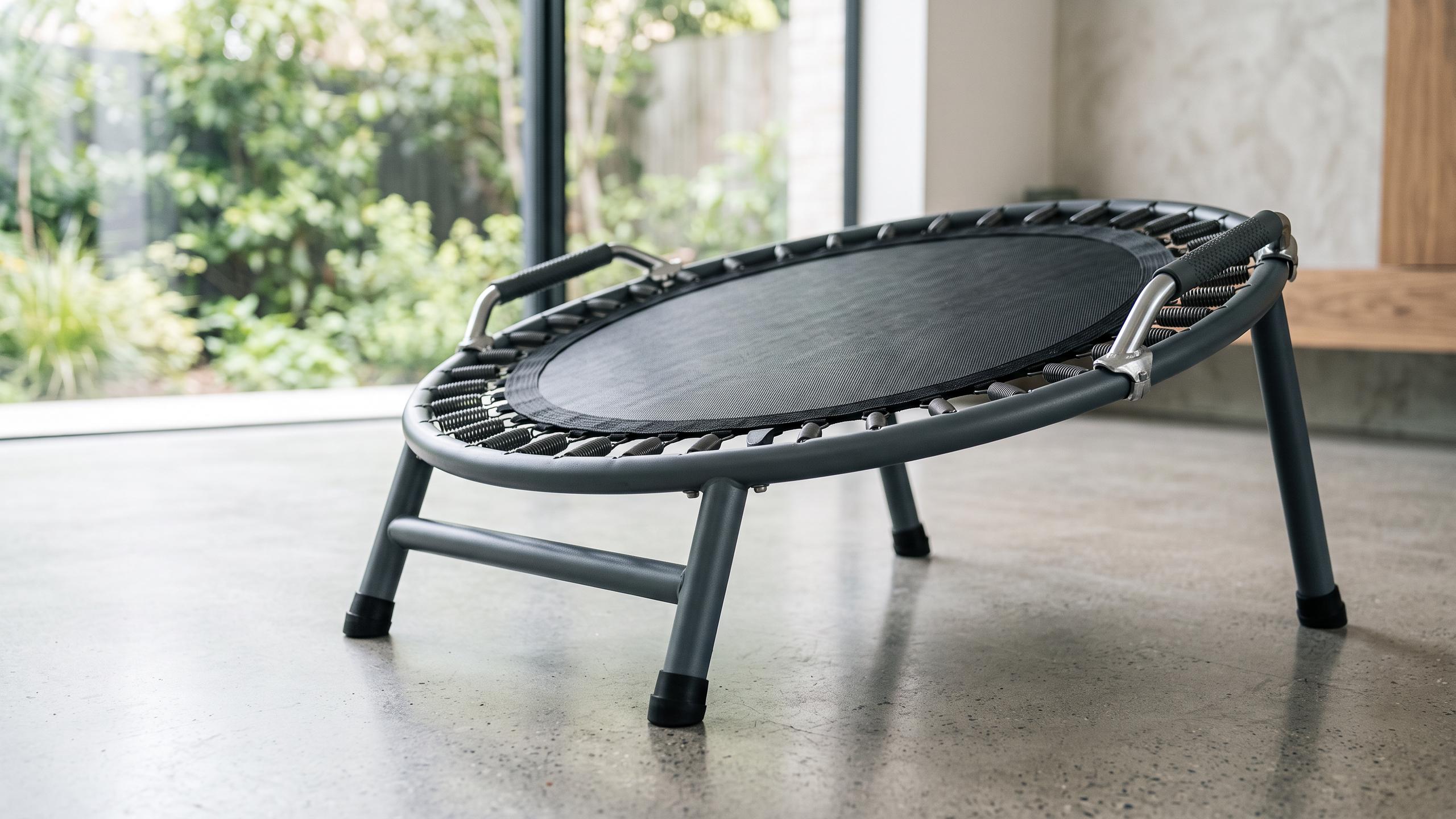
the intensity of a trampolining (or 'rebounding') session dictates its effectiveness. Vigorous bouncing and incorporating movements like high knees or jumping jacks will elevate your heart rate substantially. Studies show that a moderate trampolining workout can burn between 250 and 400 calories per hour, while some sources suggest that 30 minutes of rebounding can burn anywhere from 150 to 300 calories. Ultimately, pushing yourself in either activity will yield cardiovascular benefits, but high-intensity aerobics may have a slight edge for maximum calorie burn if you’re going all out.
Impact on Joints: A Clear Winner
Here, trampolining has a distinct advantage. The flexible surface of a mini-trampoline absorbs a huge amount of the impact from each jump. Research indicates that rebounding can reduce the strain on joints by up to 80% compared to running on a hard surface like pavement. This makes it an excellent choice for individuals with sensitive knees, hips, or ankles, or those recovering from certain injuries. Traditional aerobics, especially high-impact versions, involves repetitive jumping and landing on a hard floor, which can be stressful for joints over time. While low-impact aerobics is an alternative, trampolining inherently provides a joint-friendly workout without sacrificing intensity.
Muscle Engagement and Toning
Both workouts engage the entire body, but in different ways. Aerobics often involves choreographed routines that target specific muscle groups through dance-like movements, lunges, and squats. It’s fantastic for improving coordination and rhythm. Trampolining, on the other hand, introduces an element of instability. Simply staying balanced on the rebounder forces your core and stabilizer muscles to fire constantly. Every bounce works your legs, glutes, and core as you push off and control your landing. This constant engagement of smaller, supportive muscles is a unique benefit of rebounding that you don't get to the same degree in a standard aerobics class.
Beyond the Burn: Unique Perks
Trampolining comes with a widely discussed benefit: lymphatic drainage. The lymphatic system, a key part of your immune system, helps remove toxins and waste but doesn't have its own pump like the heart. The vertical motion of bouncing is believed to stimulate lymphatic flow, helping to flush the system. This is a benefit not typically associated with horizontal movements like running or many aerobics routines. Aerobics, however, excels in its social and structured format. Group classes provide a sense of community and motivation that can be a powerful driver for consistency, with an instructor guiding you through a pre-planned, effective workout.
The Real Deciding Factors: Fun and Consistency
This brings us to the most crucial part of the equation, as hinted in the headline. The 'best' workout is the one you do consistently, and you’re more likely to stick with something you enjoy. Some people thrive on the energy and choreography of an aerobics class, while others prefer the playful, freeing sensation of bouncing on a trampoline. The fun factor is a powerful motivator. If your workout feels like a chore, you’re less likely to put in the consistent effort required to see real, long-term cardiovascular improvements. Sporadic, intense efforts are less effective than building a regular habit your body can adapt to.