

The festive season brings joy, family, and an abundance of traditional sweets. But what if you could indulge your sweet tooth without the guilt? By turning to ancient grains like ragi, bajra, and jowar, you can recreate your favourite treats.
Why Millets Make a Difference
For generations,
Indian festivals have been synonymous with sweets made from refined flour (maida), semolina (sooji), and processed sugar. While delicious, these ingredients can lead to sugar spikes and offer little nutritional value. Millets, on the other hand, are a powerhouse of nutrients. These gluten-free grains are rich in dietary fibre, protein, and essential minerals. Their high fibre content ensures a slower release of sugar into the bloodstream, preventing the dreaded post-dessert energy crash and keeping you fuller for longer. This makes them an excellent choice for everyone, including those managing their weight or blood sugar levels. By making a simple switch to millet flours, you are not just cutting down on refined carbs; you are actively adding nourishment to your festive plate.
Ragi: The Calcium and Iron Powerhouse
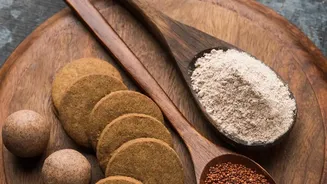
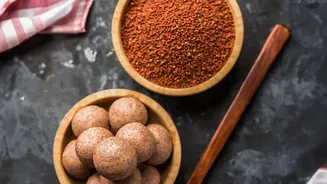
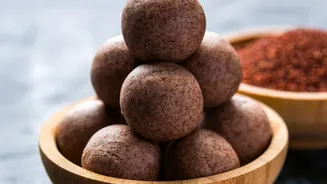
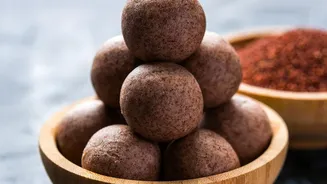
Ragi, or finger millet, is renowned for its exceptional nutritional profile. It is one of the best plant-based sources of calcium, crucial for bone health, and is also packed with iron, which helps combat fatigue. Its earthy, nutty flavour pairs beautifully with natural sweeteners like jaggery and the richness of ghee. Ragi is incredibly versatile and can be used to make a wide range of sweets. You can try making soft, melt-in-your-mouth Ragi Laddoos, a wholesome Ragi Halwa, or even a creamy Ragi Kheer. Its deep, natural colour gives a rustic and appealing look to any dessert, making your healthy creations look just as good as they taste. For a modern twist, ragi flour can also be used to bake rich chocolate brownies or cookies.
Bajra: The Warming Winter Grain
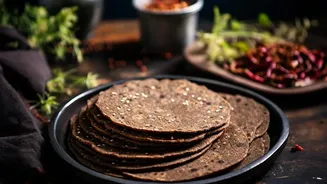
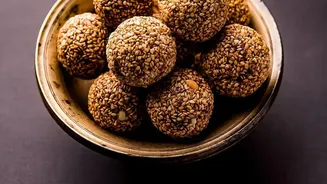
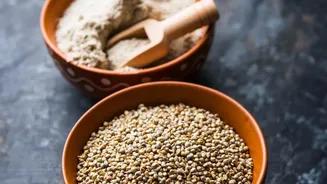
Bajra, or pearl millet, is a staple in many parts of North India, especially during the winter months, as it is considered a 'warming' grain. It is rich in iron, magnesium, and fibre, making it a fantastic grain for sustained energy. When it comes to sweets, Bajra Halwa is a classic Rajasthani and Gujarati preparation where the flour is slow-roasted in ghee until it develops a deep, nutty aroma before being cooked with jaggery and milk. This results in a dense, caramel-flavoured dessert that is far richer in taste than its sooji equivalent. You can also make Bajra Laddoos, which are a simple mix of roasted bajra flour, ghee, and powdered jaggery, often studded with nuts. For a different take, consider making Bajre Ke Pue, which are small, sweet pancakes perfect for a festive snack.
Jowar: The Versatile and Light Option
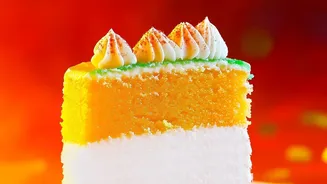
Jowar, also known as sorghum, is prized for its light texture and mildly sweet flavour, making it a highly adaptable ingredient in the world of healthy desserts. Being naturally gluten-free and high in fibre, it is an excellent choice for those with dietary sensitivities and anyone looking to improve their digestive health. Its neutral taste allows it to blend seamlessly into a variety of sweets without overpowering other ingredients. You can experiment with making Jowar Barfi, Jowar Phirni, or even a decadent Jowar Chocolate Cake. Because it doesn't have a strong flavour profile of its own, it works wonderfully as a direct substitute for refined flour in many cookie and cake recipes, providing a healthier base for your creative baking endeavours.
Tips for Perfect Millet Sweets
When substituting traditional flours with millets, keep a few things in mind. Millet flours can be denser, so you may need to adjust the amount of liquid in your recipe. Roasting the millet flour in a little ghee before you begin is a crucial step; it removes any raw taste and brings out a wonderful, nutty fragrance. Sweeten your treats with natural options like jaggery, date paste, or honey instead of refined sugar. Not only are they healthier, but their earthy flavours also complement millets perfectly. Finally, don’t shy away from adding nuts, seeds, and spices like cardamom or nutmeg. They add texture, flavour, and an extra layer of nutrients to your festive desserts.