
Trust Your Senses First
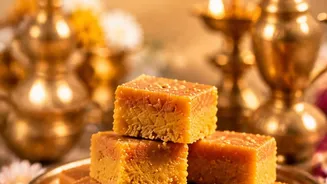
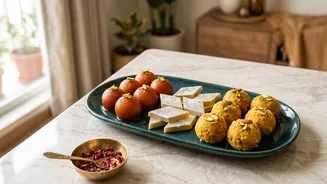
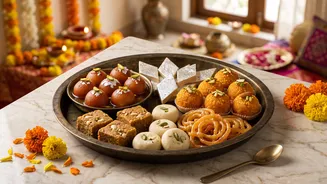
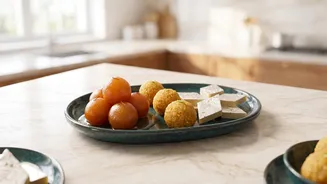
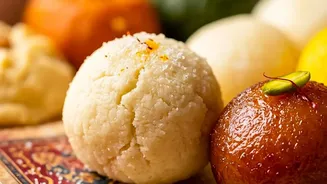
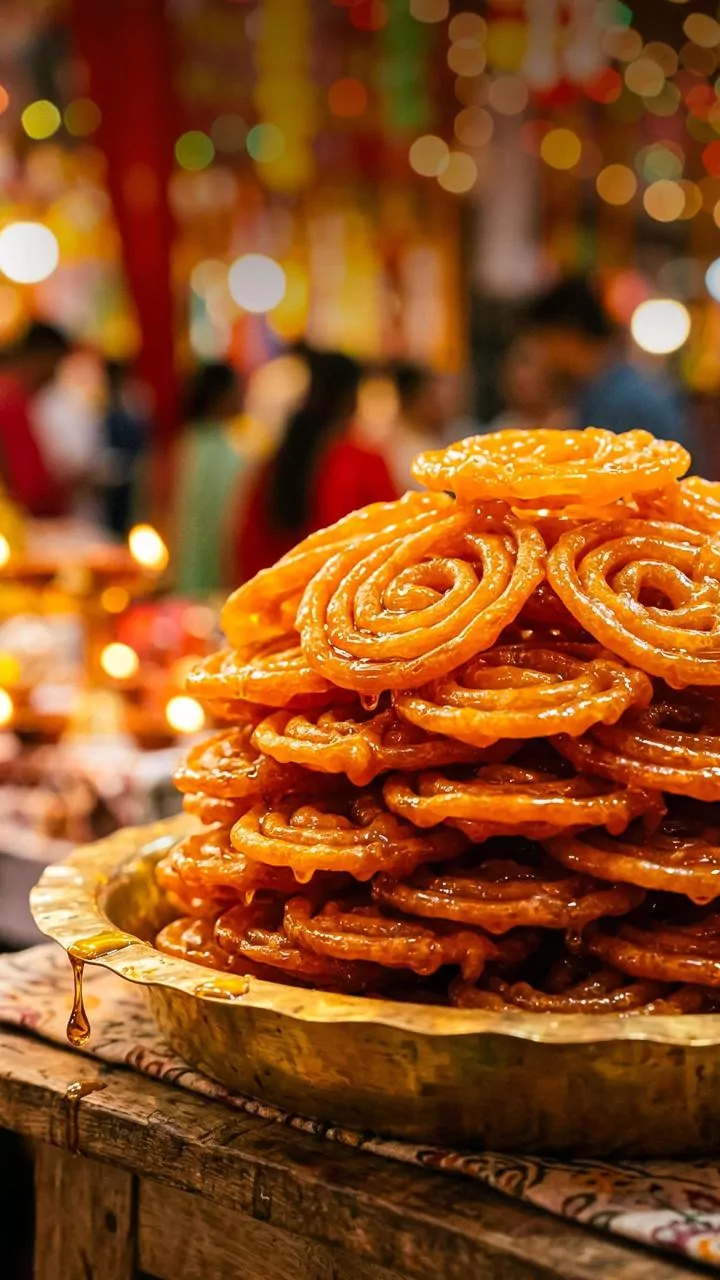
Before you even ask the price, let your senses guide you. Fresh sweets should have a pleasant, inviting aroma of ghee, milk, and nuts. If you detect a sour, musty, or strange chemical smell, it's a clear red flag. Visually, the sweets should look fresh,
not dry, discoloured, or mouldy. When it comes to texture, good quality khoya-based sweets will have a slightly grainy, oily feel. If a sweet feels unusually sticky, pasty, or rubbery, it may be of poor quality or adulterated. Don't hesitate to ask for a small sample to taste; it should not taste sour, bland, or oddly chemical.
Beware of Unnaturally Bright Colours
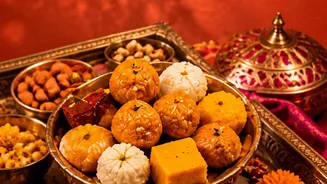
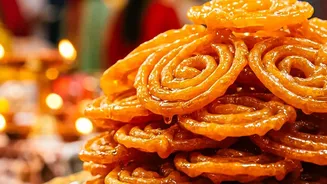
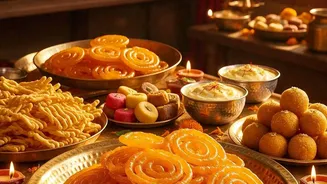
While vibrant colours are part of the festive charm, excessively bright and artificial-looking sweets can be a cause for concern. Some sweet makers use non-permitted or industrial dyes to make their products more attractive, which can pose health risks. The Food Safety and Standards Authority of India (FSSAI) permits the use of certain food colours but only within specified limits. These are often petroleum-based dyes like Sunset Yellow and Tartrazine. Overuse or the use of illegal colourants has been linked to health issues, including allergies and respiratory problems. Whenever possible, opt for sweets with natural, muted colours, or those made by vendors who are transparent about their ingredients.
Understanding Khoya and Common Adulterants
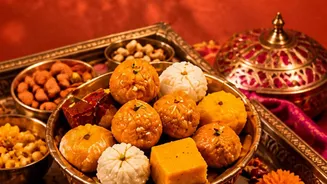
Khoya, or mawa, is the base for many traditional Indian sweets, and it's also one of the most commonly adulterated items, especially during festivals when demand skyrockets. To meet this demand, some vendors mix khoya with starch, flour, blotting paper, or even urea and detergent to increase its volume and whiteness. Pure khoya is made by slowly thickening milk and has a rich, milky aroma and slightly sweet taste. Adulterated khoya, on the other hand, may taste bland or have a soapy aftertaste. Pure khoya should feel smooth yet slightly grainy and leave a greasy residue on your palm.
Simple At-Home Purity Tests
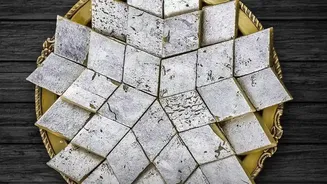
You don’t need a laboratory to perform basic checks. To test khoya for starch, dissolve a small piece in hot water, let it cool, and then add a few drops of iodine solution. If the solution turns blue, it confirms the presence of starch. Another common adulterant is the use of cheap aluminium foil instead of pure silver leaf (vark). To check this, gently rub the foil on the sweet with your finger. Real silver vark will dissolve into the food or your skin, while fake aluminium foil will roll up into a small, shiny ball. For milk-based sweets or milk itself, you can check for detergent by shaking a sample diluted with water; a dense lather that doesn't dissipate quickly indicates adulteration.
Smart Buying and Storage Habits
Good food safety starts at the shop. Always buy from clean, reputable vendors who display a valid FSSAI license or registration number. Look for sweets that are properly stored, preferably in covered displays or refrigerated cabinets if they are milk-based. Since 2020, FSSAI has mandated that shops display the 'manufacturing date' and 'best before' date even for loose sweets. Pay attention to this information. Avoid buying sweets that are sold at unusually low prices, as this could be a sign of corner-cutting. Once home, store milk-based sweets in the refrigerator and consume them within 2-3 days. Sweets made with nuts, flour, or sugar have a longer shelf life.