
The Gut-Immunity Connection
Think of your gut as the command centre for your body's defence forces. A staggering 70-80% of your immune cells reside in your digestive tract. This bustling ecosystem, known as the gut microbiome, is home to trillions of bacteria. A healthy, balanced
microbiome is crucial for training your immune system to distinguish between friend and foe, ensuring it responds effectively to harmful pathogens without overreacting and causing inflammation. When the good bacteria in your gut thrive, they create a strong intestinal barrier, produce anti-inflammatory compounds, and communicate with immune cells, keeping your natural defences sharp and resilient.
The Ancient Art of Fermentation
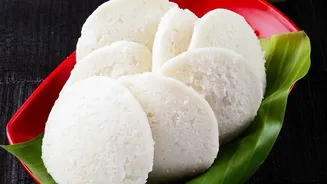
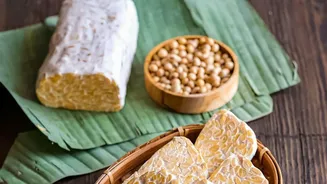
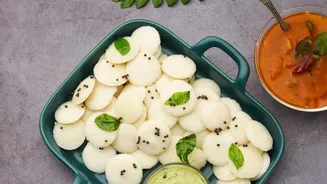
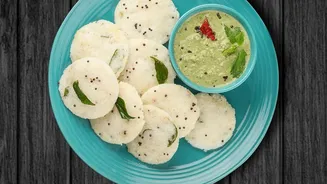
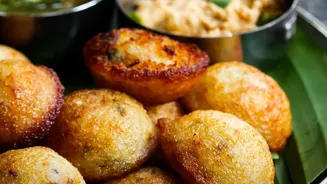
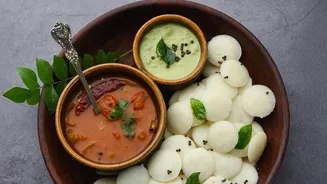
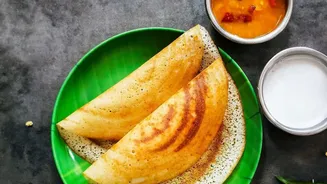
Fermentation is a natural process where microorganisms like beneficial bacteria and yeast break down food components, such as starches and sugars. In South Indian cuisine, this technique is traditionally used to prepare the batters for dishes like idli and dosa. Soaking rice and lentils and letting them rest overnight allows naturally present microbes, particularly lactic acid bacteria like Lactobacillus, to get to work. This process not only leavens the batter, giving idlis their signature spongy texture, but also transforms the ingredients into a more nutritious and digestible form.
Probiotic Powerhouses: Idli and Dosa
The fermented batter of idli and dosa is rich in probiotics, which are live beneficial bacteria that support a healthy gut. While the cooking process, particularly steaming at high temperatures, reduces the number of live bacteria, the benefits are far from lost. The fermentation process effectively "pre-digests" the food, breaking down complex carbohydrates and proteins, which makes them much easier on your stomach and reduces feelings of bloating. Furthermore, these dishes contain prebiotics—the fibre from the rice and dal—which act as food for the good bacteria already living in your gut, helping them flourish.
Unlocking Essential Nutrients
One of the most significant advantages of fermentation is its ability to increase the bioavailability of nutrients. This means your body can absorb and use the minerals and vitamins in the food more effectively. The process reduces anti-nutrients like phytic acid, which can bind to minerals like iron, calcium, and zinc and prevent their absorption. Fermentation also synthesises new nutrients, particularly B vitamins like B12, which are crucial for energy and are often less available in vegetarian diets. The result is that a simple plate of idli becomes a richer source of iron, calcium, and essential vitamins than its unfermented ingredients would be.
Beyond the Batter: More Fermented Gems
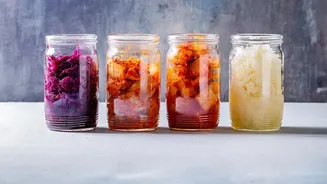
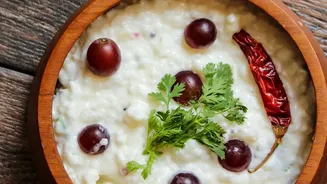
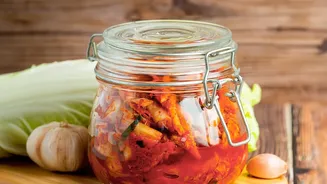
South Indian culinary wisdom extends beyond idli and dosa. Pazhamkanji (also known as Panta Bhat or Pazhaya Soru) is a humble but potent dish made from leftover cooked rice fermented overnight in water. This traditional breakfast is a natural probiotic powerhouse, known for its cooling properties, easy digestibility, and ability to replenish electrolytes. Similarly, curd rice (dahi) and fermented buttermilk (neer mor) are excellent for soothing the digestive system and maintaining gut balance. Even traditional Indian pickles (achar), when prepared through natural fermentation, can contribute beneficial bacteria to your diet.