


A Return to the Roots
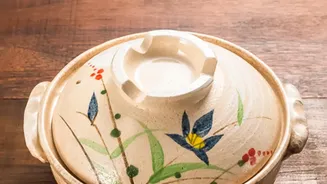
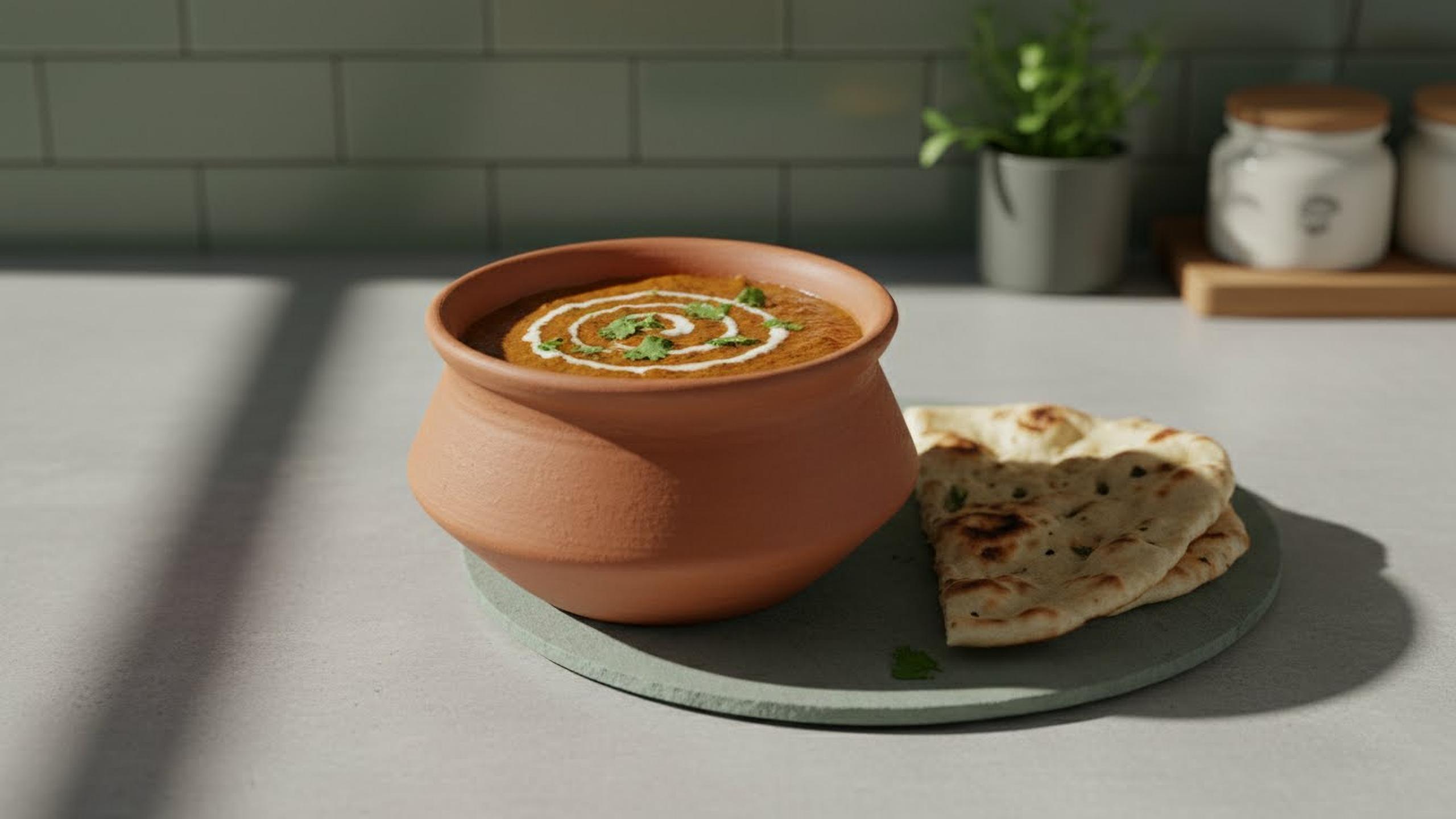
There's a growing movement that’s turning back the clock in the heart of the home. In kitchens increasingly dominated by sleek steel and smart appliances, the earthy, rustic charm of the clay pot, or 'handi', is finding a renewed purpose. For many in India,
the aroma from a clay pot isn't just about food; it’s a sensory link to childhood, evoking memories of a grandmother's slow-cooked dal or a perfectly set curd. This resurgence isn't just about nostalgia. It represents a conscious choice to embrace slower, more mindful cooking practices. In a fast-paced world, the deliberate act of cooking in clay is a way to connect with tradition, authenticity, and a more sustainable way of life.
The Science of Flavour
So, what makes cooking in clay so special? The magic lies in the material itself. Clay is naturally porous, which allows heat and moisture to circulate evenly throughout the pot. Unlike metal cookware that heats up quickly and can create hot spots, clay heats gradually and distributes warmth gently. This slow, even cooking process is the secret to incredibly tender and flavourful food. The moisture that circulates inside prevents food from drying out, meaning meats stay juicy and vegetables remain succulent without needing excessive oil. Furthermore, the clay itself imparts a subtle, earthy nuance to dishes, an undertone that cannot be replicated by any other vessel, making every meal a unique experience.
A Healthier Way to Cook
The appeal of clay pots goes far beyond taste and tradition; it’s also a choice for better health. One of the biggest advantages is the ability to cook with less oil. Because clay pots retain moisture so effectively, food cooks in its own juices and steam, reducing the need for added fats. Another significant benefit is that clay is an alkaline substance. This property helps to neutralize the pH of acidic ingredients like tomatoes, making food less acidic, easier to digest, and potentially balancing for the body. Crucially, unglazed earthenware is free from the synthetic chemicals and coatings like PFOA and PTFE often found in non-stick pans, ensuring that no harmful substances leach into your food.
Preserving Precious Nutrients
The gentle, slow-cooking environment inside a clay pot does more than just enhance flavour; it also helps preserve the nutritional integrity of the food. Harsh, high-heat cooking methods can destroy delicate vitamins and minerals. The far-infrared heat radiated by clay penetrates food deeply and cooks it thoroughly without subjecting it to extreme temperatures. This means more of the natural goodness—vitamins, minerals, and phytonutrients—is retained in the final dish. Food not only tastes better but is also more nourishing, offering a tangible health benefit that modern, fast-cooking methods often compromise.
Choosing and Caring For Your Pot
Ready to embrace clay pot cooking? Getting started is simple. When buying, look for unglazed pots made from pure, natural clay. Before its first use, a clay pot needs to be seasoned. This typically involves soaking it in water for several hours, then allowing it to dry completely. When cooking, always start on a low flame and gradually increase the heat to prevent cracking. Avoid sudden temperature changes, like pouring cold water into a hot pot. For cleaning, steer clear of harsh soaps and metal scrubbers which can clog the pores or damage the surface. A gentle scrub with warm water, perhaps with a bit of baking soda for tough residues, is usually all that’s needed. Proper care will ensure your pot lasts for years, often getting better with each use.