







The sound of a dog barking is a familiar part of life. But in the close quarters of a gated community, one pet’s alert can quickly become a neighbourhood nuisance. Here’s how metro families can find peace without conflict.
Why Do Dogs Bark in Apartments?
Before finding a solution, it
helps to understand the cause. Barking is a natural form of communication for dogs. In an apartment setting, common triggers include the doorbell, footsteps in the hallway, lift sounds, or other dogs. They might also bark out of boredom, separation anxiety, territorial defensiveness, or simply to greet you. Identifying the specific trigger is the first step toward managing the noise. A dog barking at strangers passing a window needs a different approach than one barking from loneliness when left alone. Spending a few days observing the pattern can reveal whether the barking is for alert, attention, fear, or excitement.
Soundproofing Your Home for Peace and Quiet
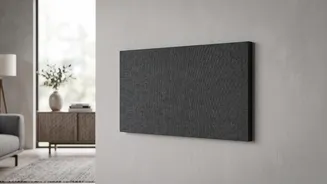
If you're on the receiving end of the noise, or you're a pet parent wanting to be a good neighbour, simple home modifications can make a significant difference. Sound travels easily through hard surfaces and air gaps. Adding soft materials can absorb and muffle the noise. Thick, heavy curtains, large rugs, and plush furniture can dampen sound effectively. For a more targeted approach, seal air gaps around your main door and windows with self-adhesive weatherstripping and place a draft stopper at the bottom of the door. These small, often renter-friendly changes can block a surprising amount of noise from entering or leaving your flat. Placing a large, full bookcase against a shared wall also adds mass, creating a barrier that makes it harder for sound to penetrate.
Training Solutions for Pet Parents
For dog owners, proactive training is the most effective long-term solution. The goal isn't silence, but control. One popular method is teaching a 'quiet' command. When your dog barks, wait for a brief pause, say your chosen command in a calm but firm voice, and immediately reward the silence with a treat. Consistency is key for the dog to associate being quiet on command with a positive outcome. Another crucial element is ensuring your dog's needs are met. A tired dog is often a quiet dog. Regular walks that allow for plenty of sniffing, along with indoor playtime and puzzle toys for mental stimulation, can help reduce barking caused by boredom and pent-up energy. For specific triggers like the doorbell, you can desensitise your dog by teaching an alternative behaviour, such as going to a designated 'calm' spot like their bed whenever the bell rings.
The Role of the Resident Welfare Association (RWA)
In a gated community, noise is a shared issue. It's important for pet parents to know their rights and responsibilities. According to guidelines from the Animal Welfare Board of India (AWBI), RWAs cannot legally ban residents from keeping pets, nor can they create discriminatory rules about lift usage or charge extra fees for pet ownership. However, they can enforce reasonable rules regarding leashing in common areas and cleanliness. When it comes to noise, natural barking is not a valid reason for eviction. Instead of conflict, a cooperative approach works best. Neighbours can have a polite conversation to make pet owners aware of the issue, as they may not know their dog barks when they're away. RWAs can play a positive role by mediating disputes and creating pet-friendly guidelines that encourage responsible ownership, rather than imposing ineffective bans.
Technological Aids: What Works?
A variety of devices on the market claim to stop barking. White noise machines can be effective at masking external sounds like hallway conversations or traffic, which can reduce the triggers for a dog to bark in the first place. Other products include ultrasonic devices that emit a high-frequency sound to interrupt barking and citronella collars that release a harmless but unpleasant spray. However, the effectiveness of these aversive tools is debated. Many veterinarians and trainers do not recommend them as a firstline solution because they don't address the underlying cause of the barking and can sometimes increase a dog's anxiety. Some dogs may become desensitised to the devices over time, while others may become more agitated. These tools are best considered only after training and environmental management have been tried, and preferably with professional guidance.