







Don't Trust the 'Zero Trans Fat' Claim Blindly
The front of a package might proudly declare '0g Trans Fat', but this can be misleading. Under FSSAI's labelling rules, if a product contains less than 0.2 grams of trans fat per 100g or 100ml, manufacturers are allowed to round it down to zero on the
nutrition panel. While this amount seems tiny, consuming multiple servings or different products with these trace amounts can add up throughout the day, contributing to your total intake of these harmful fats. This makes it crucial to look beyond the big print on the front.
Become an Ingredient List Detective
The real truth is often hidden in the ingredient list. This is your most powerful tool. Scan the list for keywords that scream 'trans fat'. The most common culprit is 'partially hydrogenated vegetable oil' or 'PHOs'. Other red flags include 'hydrogenated vegetable fat', 'bakery shortening', 'margarine', and 'vanaspati'. If you see any of these, especially near the top of the list, the product contains industrial trans fats, regardless of what the nutrition table says. Ingredients are listed in descending order by weight, so their position tells you how much is in there.
Know the Usual Suspects
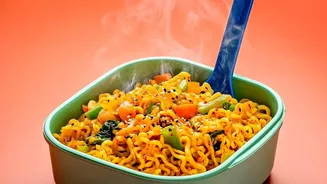
Trans fats love to hide in plain sight in some of India's most popular snacks and foods. Be extra vigilant when buying bakery items like puffs, khari, cakes, and commercially made biscuits. Many fried and packaged namkeens, from bhujia to mixtures, use vanaspati or hydrogenated oils to increase shelf life and crispiness. Other common sources include frozen foods like parathas and pizzas, some instant noodles, and non-dairy coffee creamers. Even foods marketed as 'healthy' can sometimes contain hydrogenated fillers.
Watch Out for Serving Size Tricks
Another way manufacturers minimize the appearance of unhealthy ingredients is by using unrealistically small serving sizes. A nutrition label might show a low trans fat value, but it could be for just one or two biscuits. Ask yourself if the suggested serving size reflects how much you actually eat in one sitting. If you typically eat half a packet of biscuits, you need to multiply the fat content accordingly to understand your true intake. Always compare products using the 'per 100g' column for a more accurate, standardized view.
Look for the 'Trans Fat Free' Logo
To help consumers, the FSSAI has introduced a voluntary 'Trans Fat Free' logo. Food establishments and manufacturers can use this logo if their product contains no more than 0.2g of industrial trans fat per 100g of food. While its use is not mandatory, seeing this logo on a product provides an extra layer of assurance that the manufacturer is actively working to eliminate these harmful fats from their products. It's a positive sign to look for while shopping.
Choose Healthier Fats When You Can
The best way to avoid trans fats is to focus on whole, unprocessed foods. When cooking at home, opt for healthier, naturally liquid oils like mustard oil, groundnut oil, sesame oil, or sunflower oil. Be mindful that repeatedly reheating any oil can lead to the formation of small amounts of trans fats, so it's best to use fresh oil for frying. Ultimately, reducing your reliance on packaged and processed foods is the most effective strategy for cutting out industrial trans fats and improving your heart health.