




Hemis National Park, Ladakh
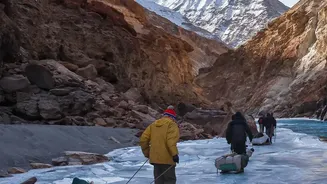
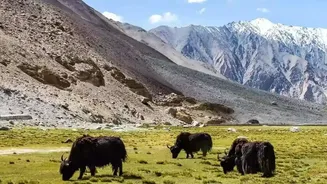
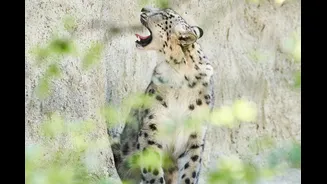
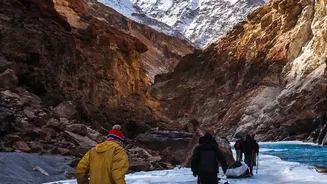
For the ultimate winter challenge, there is nothing quite like the snow leopard trek in Hemis National Park. This is not your typical jeep safari; it's a high-altitude expedition on foot, deep into the frozen, majestic landscapes of Ladakh. Winter, particularly
from January to March, is the prime time for this adventure. The extreme cold forces the elusive 'Ghost of the Mountains' to descend from the highest peaks into the valleys in search of prey like blue sheep (bharal), dramatically increasing the chances of a sighting. The trek itself is a demanding but rewarding experience, taking you through the starkly beautiful Rumbak Valley, where you'll stay in local homestays. Guided by expert trackers who read the signs of the wild, you will spend your days scanning the ridges for a glimpse of this mythical feline. Besides the snow leopard, you might also spot Tibetan wolves, Asiatic ibex, and majestic golden eagles. This is a safari for the truly adventurous, offering an unparalleled connection to a pristine, raw wilderness.
Desert National Park, Rajasthan
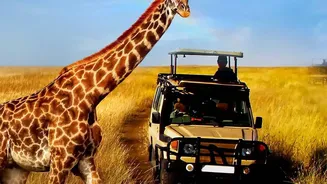
When you think of a safari in Rajasthan, tigers in Ranthambore usually come to mind. But for a completely different experience, head west to the Desert National Park near Jaisalmer. Winter (November to February) is the best time to visit, as the harsh desert climate becomes pleasantly cool. This vast expanse of rolling sand dunes, jagged rocks, and salt lake beds is a surprisingly rich ecosystem. It is the last major stronghold of the critically endangered Great Indian Bustard, a magnificent ground-dwelling bird that is the park's main attraction. The winter months also bring an influx of migratory birds, including various eagles, falcons, and vultures, making it a paradise for birdwatchers. Safaris are conducted in 4x4 jeeps, navigating the sandy tracks to find elusive desert specialists like the desert fox, chinkara (Indian gazelle), and the shy desert cat. A trip here offers not just unique wildlife but also a profound sense of solitude amidst the stunning desolation of the Thar Desert.
Manas National Park, Assam
While Kaziranga gets most of the attention in Assam, the UNESCO World Heritage Site of Manas National Park offers a wilder, less crowded alternative at the foothills of the Himalayas. Its diverse landscape of grasslands, riverine forests, and a backdrop of the blue hills of Bhutan creates a stunning setting. Winter, from November to April, is the ideal time to visit, with pleasant weather and improved visibility as the tall grasses begin to dry out. Manas is a biodiversity hotspot, home to a unique array of species you'd struggle to find elsewhere, including the golden langur, pygmy hog, and hispid hare. The park also has a healthy population of tigers, elephants, and over 50 rhinos that were successfully reintroduced. Birdwatching is exceptional, with Manas being a crucial habitat for the endangered Bengal florican and a winter home for many migratory species. One of the most unique experiences is a gentle river safari on the Manas River, offering a different perspective of the forest and its inhabitants.
Satpura National Park, Madhya Pradesh
In the heart of India's 'tiger state', Satpura National Park stands out by offering a more intimate and multi-faceted safari experience than its more famous neighbours. While it has a healthy population of tigers, leopards, and sloth bears, Satpura is celebrated for the variety of ways you can explore its rugged terrain of sandstone hills and dense forests. It is one of the few reserves in India where you can go on a walking safari in the core tiger habitat, an exhilarating experience that connects you deeply with the environment. You can also explore the park via a canoe or boat safari on the serene Denwa River, which is excellent for birdwatching and spotting crocodiles. Because the park allows fewer vehicles, the experience is more peaceful and exclusive. The winter months from October to February are particularly pleasant, perfect for enjoying the park's diverse activities. This is the ideal destination for those seeking an active, immersive safari beyond the confines of a jeep.
Eaglenest Wildlife Sanctuary, Arunachal Pradesh
For the avid birdwatcher, Eaglenest Wildlife Sanctuary is a holy grail. Located in the Himalayan foothills of Arunachal Pradesh, this sanctuary is not about big mammals but about an astonishing diversity of avian life. Eaglenest became world-famous in 2006 with the discovery of a new bird species, the Bugun Liocichla, named after the local tribe that helps protect these forests. The sanctuary boasts a checklist of around 500 bird species, with rarities like the Ward's Trogon, Beautiful Nuthatch, and various laughing thrushes and hornbills. A visit here is an expedition, typically involving stays in basic but functional campsites and exploring different altitudes along a jeep track. The winter months, from November to February, are a great time to visit for birding, though it can be quite cold. This is a safari for the dedicated naturalist, offering the thrill of discovery in one of India's last great wildernesses, far from the tourist trail.