





The Sticky Truth About Artificial Syrups
For years, colourful bottles of artificial syrups have been the go-to for flavouring everything from sodas and iced teas to cocktails. They promise instant fruitiness or sweetness with a simple pump or pour. However, a closer look at the label often reveals
a blend of high-fructose corn syrup, artificial colours, and synthetic flavours. While convenient, these syrups often deliver a flat, overly sweet taste that masks the potential complexity of a drink. As more people seek cleaner, more authentic flavours, many are looking for alternatives that offer both taste and a sense of wellness, moving away from manufactured sweetness towards something more natural.
Meet Nature's Flavour Duo
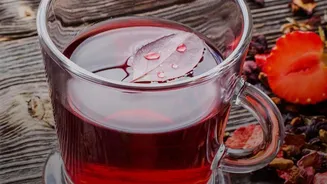
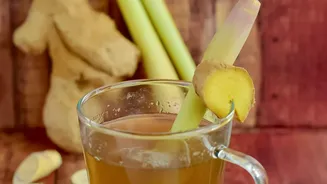
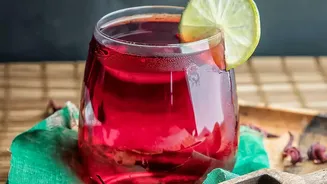
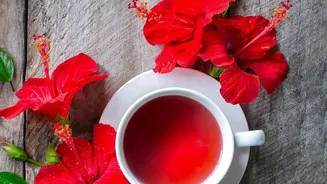
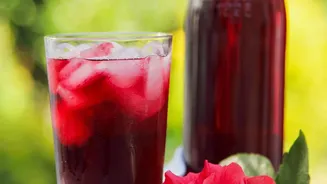
Enter hibiscus and lemongrass, two botanical powerhouses that offer a world of complex flavour without the artificial additives. Dried hibiscus flowers, from the Hibiscus sabdariffa plant, brew into a stunning, deep ruby-red liquid. Their flavour is distinctly tart and fruity, often compared to cranberry or pomegranate. This natural tanginess makes it a perfect base for a refreshing drink. Lemongrass, a staple in many Asian cuisines, provides a bright, citrusy aroma and a clean, zesty flavour without the acidity of actual lemons. Together, they create a beautifully balanced infusion: the floral tartness of hibiscus is lifted by the fresh, herbal notes of lemongrass. This combination is not only delicious but also naturally caffeine-free.
The Cold Steeping Advantage
While you can make a hot tea and cool it down, the cold steeping method unlocks a different dimension of flavour. Brewing with hot water can extract tannins from plants, which can sometimes result in a bitter or astringent taste. Cold steeping, however, is a gentler process. By infusing the ingredients in cold water over several hours, you get a smoother, cleaner, and often naturally sweeter beverage. This slow extraction pulls out the delicate floral and citrus notes of the hibiscus and lemongrass while leaving any potential bitterness behind. The result is an incredibly smooth, refreshing drink that truly highlights the ingredients' natural profiles. It’s also nearly impossible to over-steep, making it a foolproof method for beginners.
Your Simple Guide to Cold Steeping
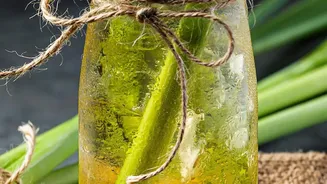
Making your own hibiscus and lemongrass infusion is surprisingly simple. You don't need any special equipment, just a large jar or pitcher. For a basic recipe, use a ratio of about 2 tablespoons of dried hibiscus flowers and one stalk of roughly chopped lemongrass for every litre of cold, filtered water. Combine the ingredients in your pitcher, ensuring everything is submerged. Cover it and place it in the refrigerator for at least 8 to 12 hours, or even up to 24 for a stronger flavour. The beauty of cold brew is its flexibility; you can adjust the ratios and steeping time to your preference. Once it has steeped, simply strain the liquid to remove the solid ingredients, and it's ready to serve over ice. It will keep in the fridge for several days.
Creative Combinations and Uses
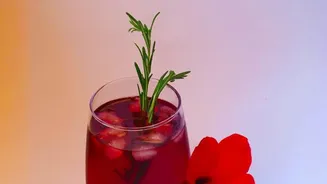
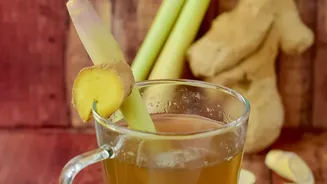
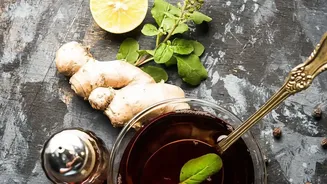
Your cold-steeped hibiscus and lemongrass infusion is a fantastic starting point for all kinds of creative beverages. For a touch of natural sweetness, you can stir in a small amount of honey or maple syrup after steeping, though many find it refreshing on its own. It also pairs wonderfully with other ingredients. Try adding a few slices of fresh ginger, a handful of mint leaves, or some orange peel to the initial steep for added complexity. The finished infusion makes a brilliant base for non-alcoholic mocktails—just add a splash of sparkling water and a squeeze of lime. It can also be used as a flavourful mixer in cocktails, pairing especially well with gin or light rum.