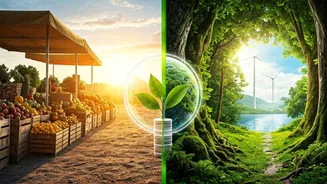









The New Value Equation
For India’s Gen Z and millennial consumers, the concept of ‘value’ is being radically redefined. It’s no longer just about getting the best deal but about aligning purchases with personal values. [6] This generation has grown up with headlines about climate
change, plastic pollution, and air quality issues, making them acutely aware of the planet's fragility. [6] As a result, they are beginning to view their consumption choices as expressions of their identity and moral responsibility. [6] Surveys show a significant portion of young Indians are not only concerned about environmental sustainability but are willing to adjust their buying habits to support ethical brands. [12, 13] This represents a move towards purpose-driven consumption, where the story behind a product and the principles of the brand that makes it are becoming just as important as the product itself. [6]
From Fast Fashion to Food Choices
This heightened consciousness is most visible in sectors like fashion, which is traditionally known for its rapid, wasteful cycles. [5] Young Indians are increasingly questioning the 'fast fashion' model, giving rise to a boom in thrift shopping, recycled fabrics, and support for homegrown labels with ethical sourcing practices. [2] The sustainable fashion market in India is expanding rapidly, with a projected compound annual growth rate (CAGR) of over 10% between 2023 and 2028. [9, 17] This trend extends to food, where there's a growing preference for organic, locally grown produce and plant-based diets, seen as both healthier and more climate-friendly. [2] Even in electronics and personal care, the demand for products with minimal, recyclable packaging and transparent, cruelty-free production is on the rise. [2]
The Challenge of Trust and Price
Despite the willingness to change, the path to conscious consumerism is filled with obstacles. A major challenge is 'greenwashing', where companies make misleading claims about their products' environmental benefits. [4] A Mintel report noted that 55% of Indian Gen Z consumers believe the majority of sustainable claims are false, breeding a healthy dose of skepticism. [10] Another significant barrier is price. While many young consumers express a willingness to pay more for sustainable goods, a large-scale survey found that only a third are actually prepared to bear the extra cost. [8, 22] This 'value-action gap' highlights a crucial tension: the desire to do good often clashes with financial realities and the higher price tags often attached to eco-friendly products. [13, 8]
Are Brands and Policymakers Listening?
The market is slowly but surely responding. A wave of startups and small businesses are building their entire brand identity around sustainability, finding a receptive audience online and through social media. [2, 9] These brands often focus on transparency, using technology like blockchain to trace their supply chains. [12] Larger corporations are also taking note, introducing eco-friendly product lines and adopting greener practices, partly driven by consumer pressure and partly by government initiatives. [5, 21] Policies promoting eco-friendly practices, such as bans on certain single-use plastics and support for the circular economy, are creating a more favorable environment for this shift. [5, 17] However, the challenge remains to make sustainable options not just available, but also affordable and convenient for the average consumer. [15, 8]