


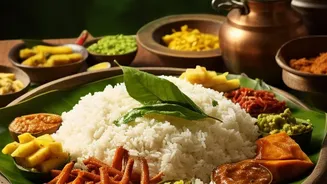
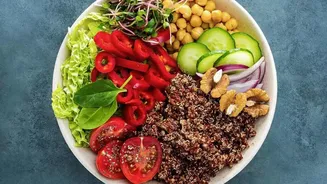
The ultimate comfort foods—creamy risotto, hearty porridge, savoury khichdi—are getting a wholesome makeover. Once relegated to the background, humble millets are now taking centre stage in modern Indian kitchens, transforming these classics.
The Grain’s Grand Return
Once a staple
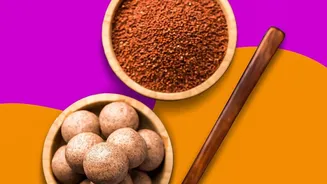
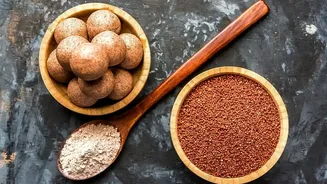
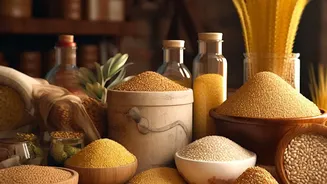
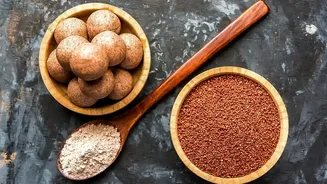
in Indian diets, millets were largely sidelined during the Green Revolution, which favoured wheat and rice. Now, thanks to a renewed focus on nutrition and sustainability, highlighted by initiatives like the International Year of Millets, these ancient grains are being celebrated once again. Millets like jowar, bajra, ragi, and foxtail are packed with protein, fibre, and essential minerals like iron and magnesium. They are naturally gluten-free and have a low glycemic index, which helps in managing blood sugar levels, making them a smart choice for daily meals. Their resilience as a crop, requiring less water than rice and wheat, also makes them an environmentally friendly option for farmers.
A Creamy, Guilt-Free Risotto
The idea of a risotto without Arborio rice might seem unusual, but millets like foxtail or kodo millet are proving to be excellent substitutes. When cooked slowly with broth and other ingredients, these small grains release their starches, creating a surprisingly creamy and rich texture that rivals the classic Italian dish. Chefs and home cooks are pairing millet risotto with mushrooms, spinach, and even traditional Indian cheeses. The best part is that the millet retains a pleasant, slightly firm bite, adding a new dimension to a familiar favourite. Unlike rice, millet offers a nuttier, earthier flavour that complements savoury ingredients beautifully while adding a significant nutritional boost.
Porridge, Reimagined for Every Meal
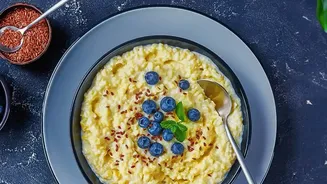
Porridge is a universal comfort food, and millets are making it more versatile than ever. For a nourishing breakfast, millet can be simmered with milk (or a plant-based alternative), cinnamon, and a touch of jaggery or honey to create a creamy, oatmeal-like consistency. It provides sustained energy, keeping you full and focused through the morning. But millet porridge isn't just for breakfast. Savoury versions, similar to a congee or a soft upma, are becoming popular for lunch and dinner. Cooked with water or vegetable stock and tempered with mustard seeds, curry leaves, and vegetables, millet transforms into a light yet satisfying meal that is easy to digest.
Beyond Risotto: Modern Millet Comforts
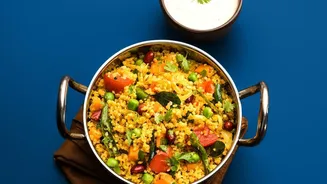
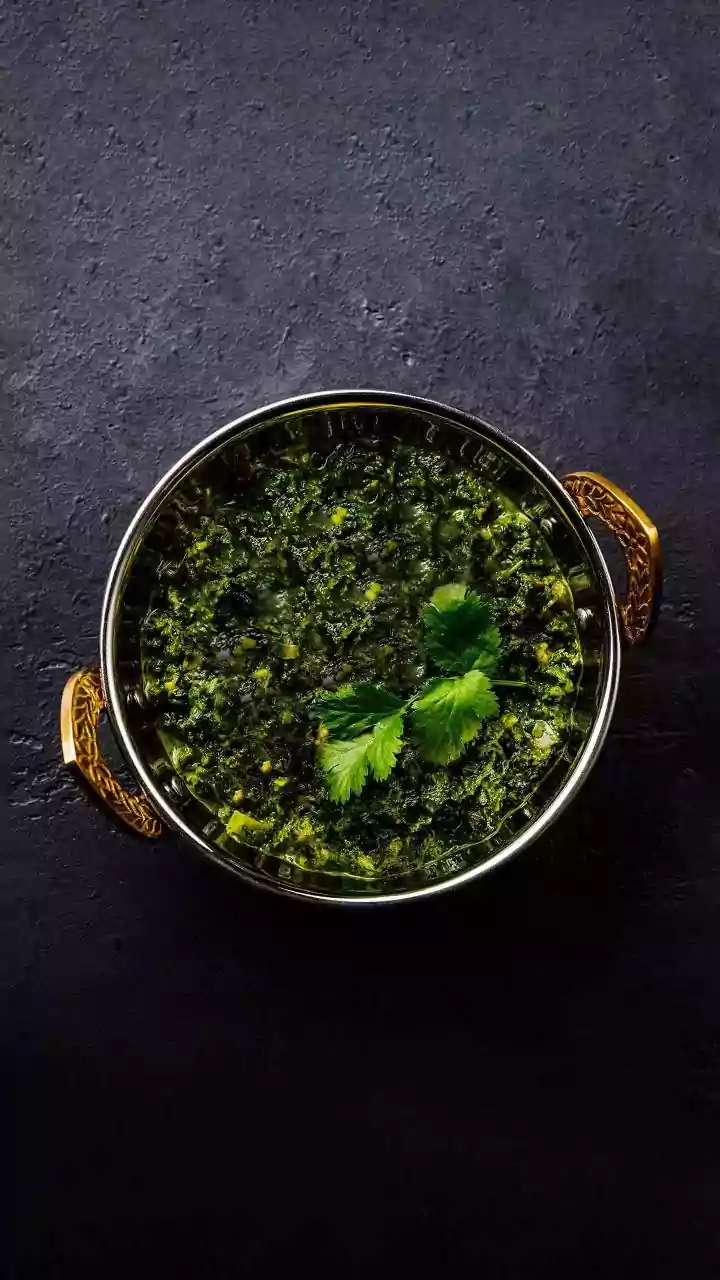
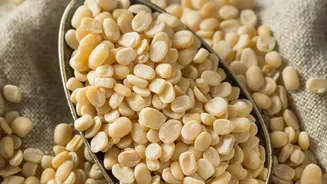
The millet movement extends far beyond risottos and porridges. The quintessential Indian comfort dish, khichdi, is being reinvented with pearl millet (bajra) and moong dal for a heartier, more textured meal perfect for winter evenings. Similarly, foxtail millet is being used to create fluffy pulaos and biryanis, where the grains absorb spices beautifully while remaining distinct. Even snacks and baked goods are getting a millet infusion. Chefs and home bakers are experimenting with ragi (finger millet) to make everything from dosa and idli to nutrient-dense cookies, cakes, and pancakes. These innovations show that millets aren't just a 'health substitute' but a versatile ingredient that can enhance flavour and nutrition in jejich own right.
Tips for the Millet_Curious Cook
Ready to bring millets into your kitchen? Here are a few simple tips to get started. First,' always rinse your millets thoroughly before cooking to remove any bitterness. For porridges and khichdis,' a general ratio is one part millet to three or four parts liquid. For a fluffier,' rice_like texture,' use a ratio of one part millet to two parts water. Don't be afraid to experiment with different types. Foxtail and little millets are great for upma and pulao,' while ragi and bajra flours are perfect for rotis and dosas. Soaking millets for a few hours can also help improve digestion and reduce cooking time. Most importantly,' start by substituting millet in a dish you already love,' like upma or khichdi,' to get a feel for its unique character.