




Embrace the Three-Layer System
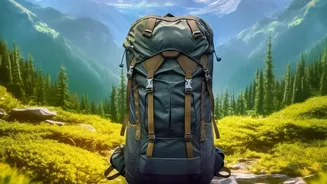
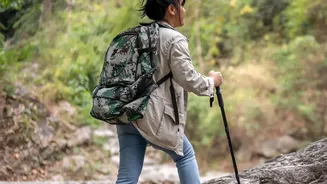
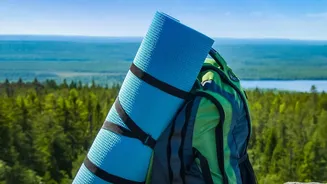
The single most important rule for monsoon trekking is to accept that your backpack itself will get wet. Most backpacks are water-resistant, not waterproof, and will not withstand hours of a Ghats downpour. The secret is a three-layer defence: a rain
cover for the outside of your pack, a large plastic liner or dry bag for the inside, and then smaller dry bags or zip-seal bags for individual items. Your first line, the rain cover, protects against the initial deluge. The second, a large pack liner, acts as a crucial barrier inside the main compartment. Finally, compartmentalising clothes, electronics, and food into their own waterproof bags ensures that even if one layer fails, your most critical gear remains perfectly dry.
Choose the Right Rainwear
When it comes to personal rainwear, you have two main choices: a rain jacket and pants, or a poncho. A poncho is a great option for beginners as it can cover both you and your backpack, offering excellent ventilation. However, on windy ridges or steep climbs, a poncho can be cumbersome. A dedicated waterproof, breathable jacket and pants offer better mobility. Whichever you choose, ensure it's genuinely waterproof, not just water-resistant. In the Western Ghats, a light shower can turn into a torrential downpour in minutes, and 'resistant' gear will quickly become saturated.
Compartmentalise with Dry Bags
Dry bags are non-negotiable for a monsoon trek. They are lightweight, waterproof sacks with a roll-top closure that creates an airtight seal. Use them to create a system within your pack. Have one for your sleeping clothes, another for your spare set of trekking clothes, one for electronics, and one for your first-aid kit and toiletries. This not only provides superior waterproofing but also keeps your bag organised. When you arrive at your campsite, tired and wet, you'll be thankful you can pull out a completely dry set of clothes without unpacking everything else. Keep one set of clothes sealed and designated only for sleeping in at night; it makes a huge difference to your comfort and warmth.
Ditch Cotton, Embrace Synthetics
Your choice of clothing fabric is as important as your rain gear. Cotton is a trekker's worst enemy in the monsoon. It absorbs moisture, becomes incredibly heavy, and takes a very long time to dry, leaving you feeling cold and uncomfortable. Instead, pack quick-drying clothes made from synthetic materials like polyester or nylon. These fabrics wick moisture away from your skin and will dry much faster, often just from your body heat or a brief pause in the rain. This applies to everything: your t-shirts, trekking pants, undergarments, and especially your socks.
Protect Your Electronics Meticulously
High humidity, condensation, and direct rain are all threats to your phone, camera, and power banks. The double-bagging method is crucial here. Store electronics in a zip-seal bag—perhaps with a silica gel packet to absorb ambient moisture—and then place that inside a larger, more robust dry bag. For your phone, which you might need for navigation, a transparent waterproof pouch worn around your neck offers quick access while keeping it protected. Remember to back up all your data to the cloud before you leave, and consider that on many treks, your phone's battery will drain faster in the search for a non-existent network, so keep it on airplane mode to conserve power.
Manage Your Footwear Situation
No matter what shoes you wear, your feet will likely get wet when crossing streams or during a prolonged downpour. The goal is not to keep your feet completely dry all day, but to manage the situation. Opt for trekking shoes with good grip on slippery, muddy trails. Waterproof shoes can be a double-edged sword; once water gets in over the top, it gets trapped inside. Many experienced trekkers prefer non-waterproof shoes with good drainage that dry faster. The key is what you do at camp. Always have a spare, dry pair of socks. To protect your legs and limit water and leeches from getting into your boots, consider wearing waterproof gaiters.
Don't Forget the Little Things
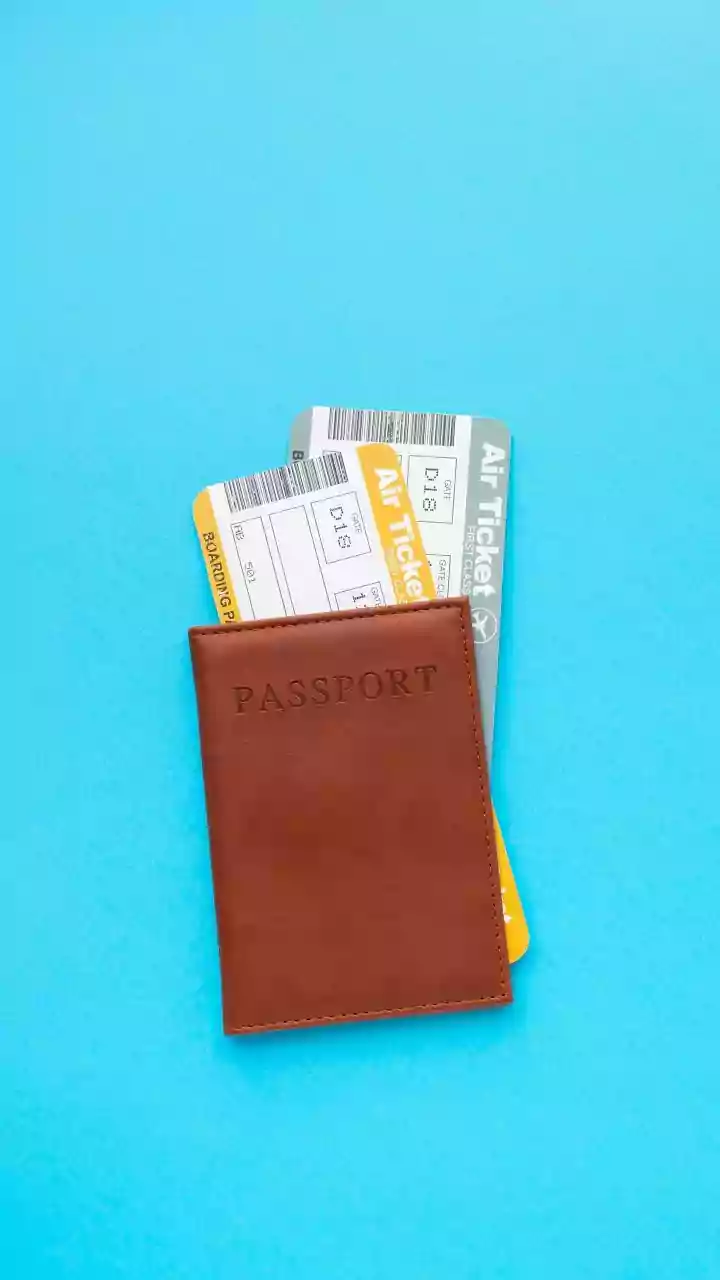
Some of the most overlooked items are also the most critical. Your wallet, identification, and any necessary permits should be kept in their own dedicated waterproof pouch or zip-seal bag. A headlamp is essential, and it should be a waterproof model. Pack a basic first-aid kit, including antiseptic wipes, bandages, and blister pads, also inside a waterproof bag. Finally, remember that leeches are common in the Western Ghats during monsoon; carry a small bottle of sanitizer, salt, or anti-leech socks as a precaution.