



The Challenge of Urban Heat
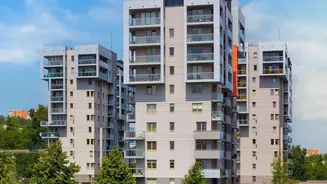
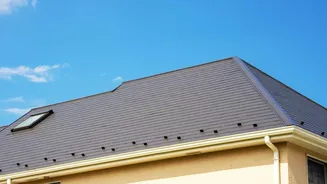
Indian cities are getting hotter, and not just because of climate change. The 'urban heat island' effect is a major contributor. Concrete buildings, asphalt roads, and dark-coloured roofs absorb and retain the sun's heat, raising temperatures in cities several
degrees higher than in surrounding rural areas. This retained heat makes our homes and workplaces hotter, forcing air conditioners to work overtime, which in turn drives up electricity bills and strains the power grid. For millions who live without air conditioning, especially in low-income housing with tin or asbestos roofs, the heat can become unbearable and dangerous to their health.
A Simple, Powerful Solution
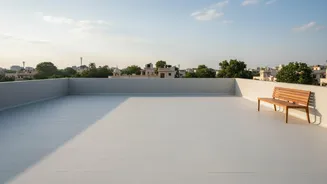
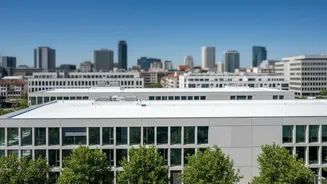
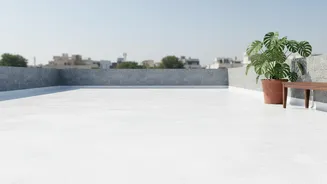
Imagine fighting this intense heat with a tool as simple as a coat of paint. This is the promise of 'cool roofs'. By applying a specially designed reflective coating to a terrace or roof, much of the sun's radiation is bounced back into the atmosphere instead of being absorbed. Studies have shown that a cool roof can stay more than 25-30°C cooler than a conventional dark roof under the same sun. This translates into a significant reduction in the amount of heat that penetrates the building, making indoor spaces naturally cooler.
The Science of Cool
This isn't just about using any white paint, although that is a basic, low-cost option. The real breakthrough lies in advanced coatings engineered with high solar reflectance and high thermal emittance. Solar reflectance measures how much sunlight is reflected, while thermal emittance measures how efficiently a surface releases the heat it has absorbed. Modern cool roof coatings, which may contain ceramics or special polymers, are designed to maximise both properties, reflecting up to 80% or more of solar radiation. They effectively create a protective shield that keeps the building's structure from heating up.
Real-World Impact in India
This technology is no longer theoretical; it's being implemented with impressive results across India. In cities like Ahmedabad and Hyderabad, cool roof programmes are a key part of their Heat Action Plans. Pilot projects in low-income communities have demonstrated that these coatings can reduce indoor temperatures by 2°C to 5°C. Following successful trials, Telangana became the first state to launch a comprehensive Cool Roof Policy in 2023, mandating them for new commercial and large residential buildings and aiming to cover 300 square kilometres of roofs by 2028. This policy is expected to save millions of units of electricity annually.
Benefits for Every Homeowner
The advantages of a cool roof extend to every individual. The most immediate benefit is enhanced comfort. Rooms stay cooler throughout the day, even during peak summer afternoons. This leads directly to financial savings, as the reduced need for air conditioning can lower electricity consumption for cooling by up to 20%. Furthermore, by reducing the workload on your AC units, you also extend their lifespan and reduce maintenance costs. Over time, the reduced energy demand at a city-wide level can help prevent power outages during heatwaves and lower the city's overall carbon footprint.