






Behind the scenes of every flight is a complex system ensuring your safety. Now, the FAA is rolling out one of its biggest upgrades in decades, replacing a patchwork of old displays with a single, streamlined system for air traffic controllers.
From Floppy Disks to a Single Screen
For decades,
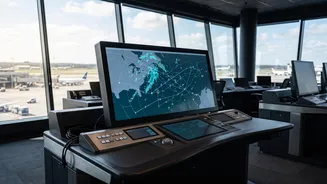
America's air traffic controllers have relied on a collection of separate, aging information systems to manage the skies. Some of this technology dates back to the 1980s, with reports indicating that certain functions even depended on floppy disks. This setup required controllers to monitor multiple screens and manually process information from different sources to get a complete picture of weather, airspace restrictions, airport equipment status, and flight data. The four legacy systems being phased out are the Information Display System 4 (IDS-4), the Automated Surface Observing System (ASOS) Controller Equipment Information Display System (ACE-IDS), and the NAS Information Display System (NIDS), among others. This fragmented approach was not only inefficient but also costly to maintain and increasingly vulnerable to failure.
Introducing E-IDS: A Unified View
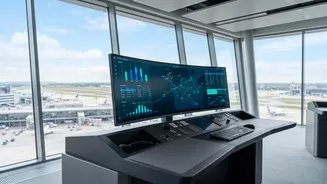
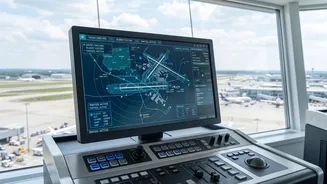
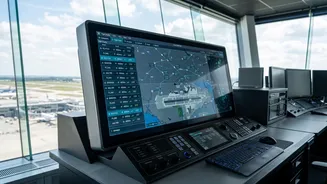
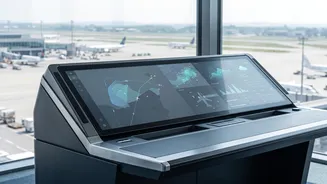
The new system, called the Enterprise Information Display System (E-IDS), consolidates all that critical data onto a single, modern digital display. Instead of juggling information from four different places, a controller can now get a unified, real-time view of everything they need to manage traffic safely and efficiently. This includes weather updates, equipment alerts, pilot reports (PIREPs), and notices about restricted airspace (NOTAMs). The FAA has stated this move away from outdated, manual processes will allow controllers to make faster, more informed decisions. The rollout is part of the FAA's larger Next Generation Air Transportation System (NextGen) modernization effort, aimed at transforming the entire National Airspace System with new technologies for communication, navigation, and surveillance.
What This Upgrade Means for Travelers
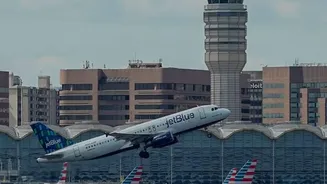
While this is a technical, behind-the-scenes upgrade, it has direct benefits for the flying public. By giving controllers better, faster information, the E-IDS is expected to enhance safety and improve efficiency. A more streamlined system reduces the chance for error and helps controllers manage congested airspace more effectively. This can lead to fewer delays, especially those caused by weather or unexpected equipment issues, as information can be shared instantly across the entire system. Furthermore, improving the collection and distribution of pilot reports and official notices—two areas the FAA has identified as top safety concerns—means that crucial information about turbulence or airport conditions gets to the right people much faster.
The Rollout Plan
This is a massive undertaking, with the FAA planning to install the E_IDS at 435 facilities nationwide by the end of 2028. The initial installations began in late 2026 at several airports, including Atlantic City, Nashville, and Rochester, as well as at key data processing hubs in Atlanta and Salt Lake City. The phased approach allows the agency to manage the complex transition from old to new technology while ensuring that air traffic operations continue without interruption. This project is a key part of what the U.S. Transportation Secretary has dubbed the 'Brand New Air Traffic Control System', a push to accelerate the modernization of America's aviation infrastructure. While the E_IDS project has faced some delays and changes since its conception, the current in_house development plan is now actively being deployed.
Building a Foundation for the Future
Beyond replacing obsolete equipment, the E_IDS creates a technological foundation for the future of aviation. The new system is designed to integrate with the FAA's System Wide Information Management (SWIM) infrastructure, a digital backbone that allows seamless data sharing among all stakeholders, including controllers, airlines, and airports. This enterprise_level platform makes it easier to deploy new capabilities and will be crucial for safely integrating emerging technologies like commercial space flights and advanced air mobility vehicles, such as air taxis, into the national airspace. By moving to a unified, digital system, the FAA is not just fixing a problem from the 1980s; it's preparing the air traffic control system for the demands of the 2030s and beyond.